
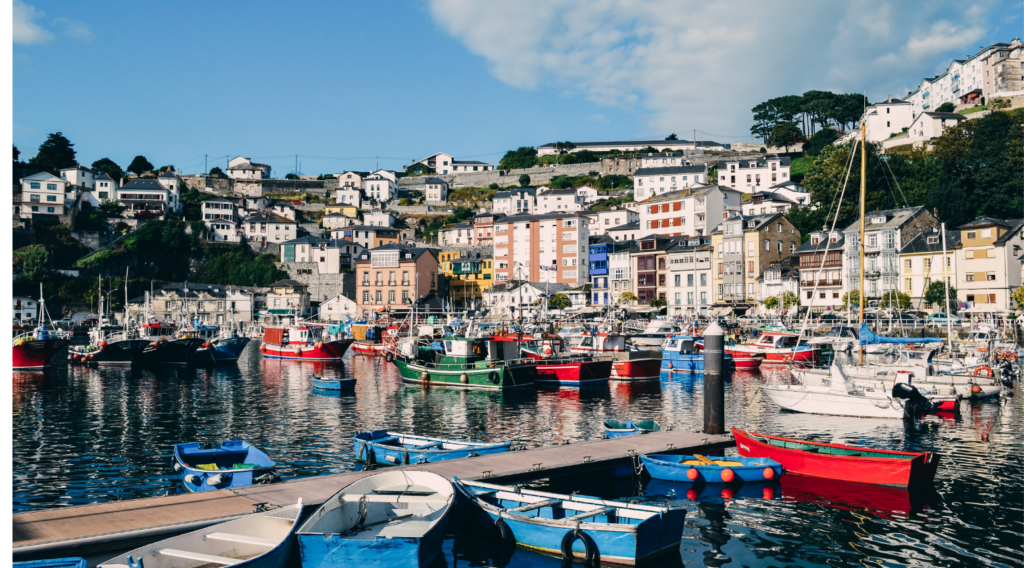
If you plan to explore northern Spain beyond the usual highlights, Asturias offers one of the most rewarding road trips in the country.
This blog post shares a complete 10 Day Asturias Itinerary. It covers dramatic coastline, mountain landscapes, and historic towns. The route is clear and easy to follow.
You start in Oviedo. The journey moves west along the coast. It then heads inland to Somiedo Natural Park and Picos de Europa. The trip ends along the eastern coast before finishing in Gijón. The route avoids backtracking and keeps a balanced pace.
Day 1: Oviedo
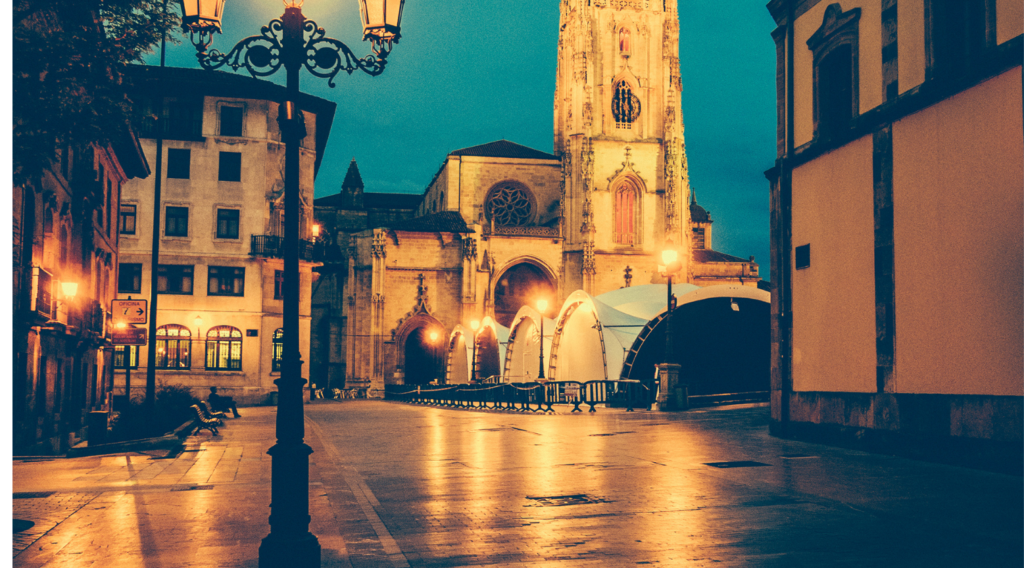
Begin your Asturias road trip in Oviedo, the region’s capital. The city gives you a strong introduction to Asturian culture.
Walk through the compact Old Town. Cobbled streets lead you to Oviedo Cathedral, one of the key Gothic monuments in northern Spain. Explore the nearby squares. Stop at Plaza del Fontán, known for its colorful buildings and calm atmosphere.
In the afternoon, try Oviedo’s cider culture. Visit a local sidrería. Watch how they pour Asturian cider from above the head. This ritual shapes daily life here.
You can explore Oviedo on foot with ease. The city makes a good first stop before you head into rural areas. Stay overnight. Rest well and prepare for the coastal drive ahead.
Day 2: Cudillero & Western Coast
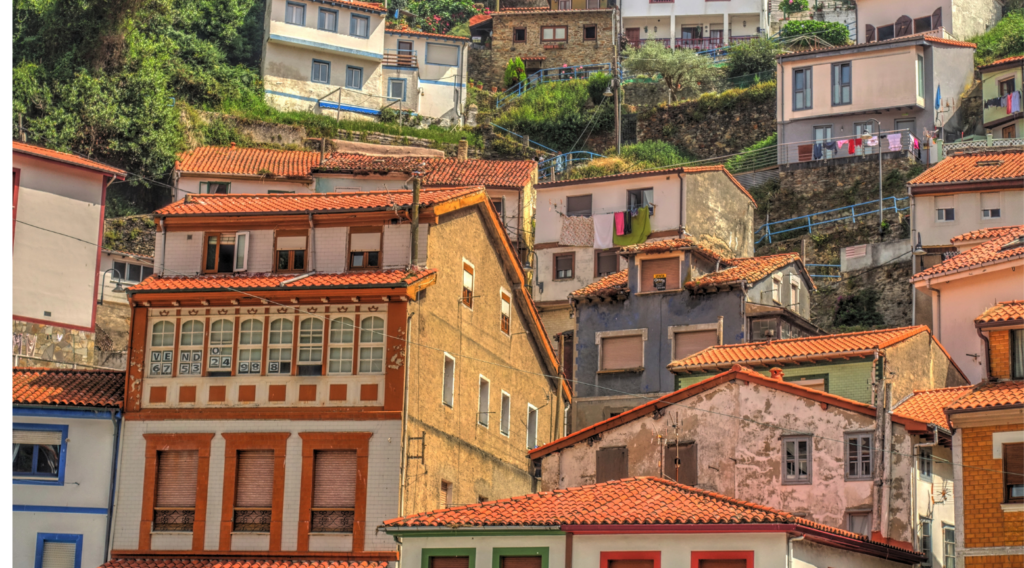
Today, head west toward the coast. Your first stop is Cudillero, one of Asturias’ most picturesque fishing villages. Colorful houses rise above the harbor in an amphitheater shape.
Walk up to a village viewpoint for wide views over the rooftops and the sea. Then stroll around the small port. Enjoy a relaxed lunch by the water.
In the afternoon, explore the rugged western coastline. Stop at steep cliffs and quiet beaches like Playa del Silencio, one of the most scenic coves in the region.
Stay overnight along the western coast. Choose a place near Cudillero or further west. This keeps the route smooth for the next day.
Day 3: Luarca & Far West Coast
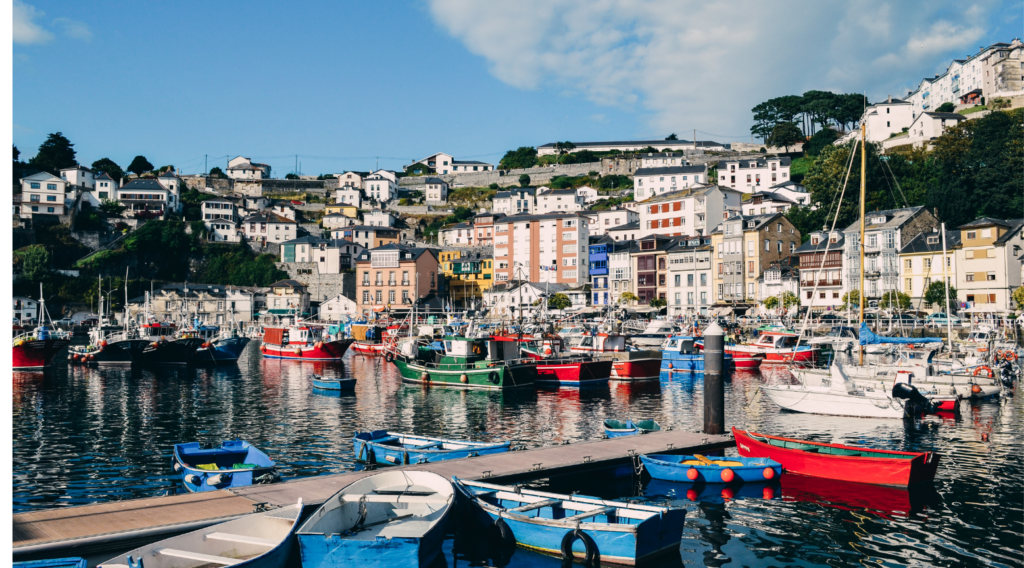
Continue west along the coast toward Luarca, a seaside town known for its whitewashed houses and natural harbor.
Walk through the port area. Then head up to the lighthouse for wide views over the Atlantic and the Asturian coastline. Visit the nearby cemetery. It sits on higher ground and offers one of the best views in the region.
Explore hidden coves and quiet stretches of coastline in this part of Asturias. The area feels remote and less visited than the central coast.
Stay overnight in or near Luarca. This sets you up well for tomorrow’s visit to the far western edge of the region.
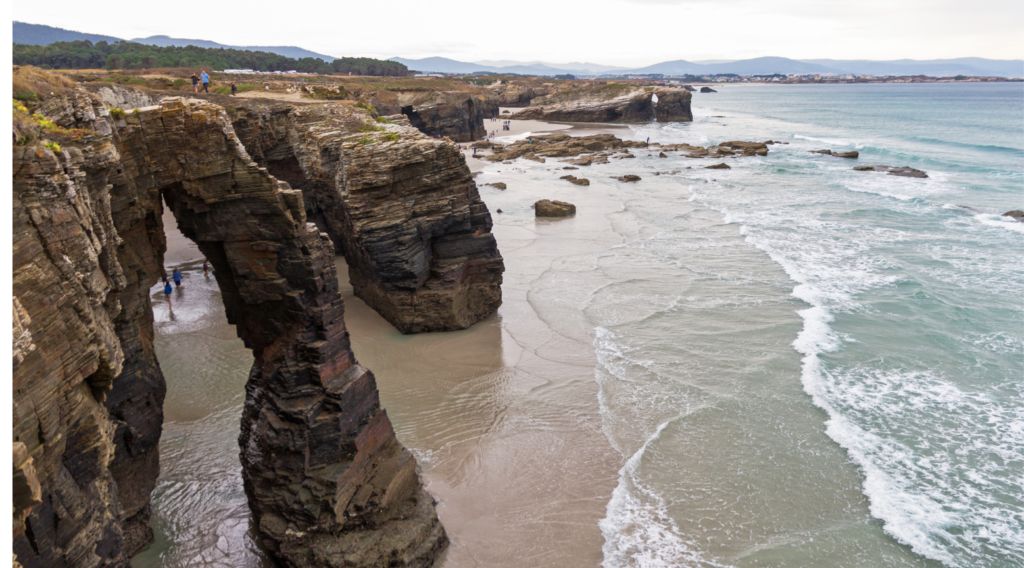
Day 4: Playa de las Catedrales & Inland to Mountains
This morning, continue toward the Galicia border to visit Playa de las Catedrales. The beach is known for its rock arches and cathedral-like formations. Plan your visit at low tide. This is the only time you can walk on the sand and pass under the cliffs. In high season, you need to book in advance.
After you explore the coast, start the drive inland toward the mountains. The views shift from ocean to green hills. Quiet rural roads replace the coastal highway.
By late afternoon, arrive near Somiedo Natural Park. Stay in a small mountain village. Rest and prepare to explore the park the next day.
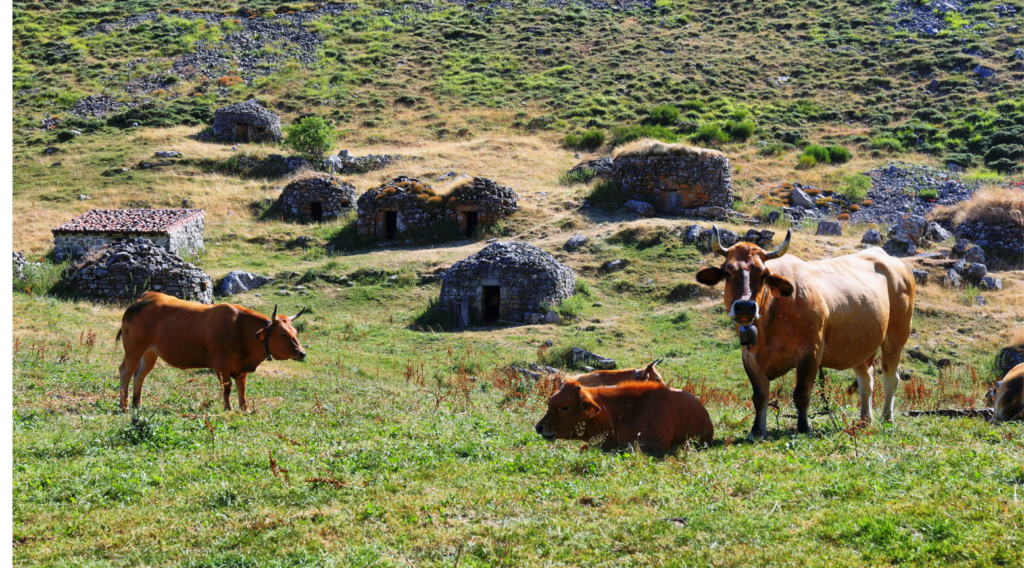
Day 5: Somiedo Natural Park
Today, explore Somiedo Natural Park, one of the most untouched and scenic areas in Asturias.
Start with a morning drive along winding mountain roads. Pass stone villages and wide green valleys. Hike the trail to Lago del Valle, a glacial lake surrounded by high peaks. This route offers one of the best walks in the park.
Somiedo is home to the Cantabrian brown bear, though sightings are rare. Even without wildlife, the quiet setting and raw landscape stand out as a key part of the trip.
Spend another night in the Somiedo area. Enjoy the calm mountain setting before you head east toward the Picos de Europa.
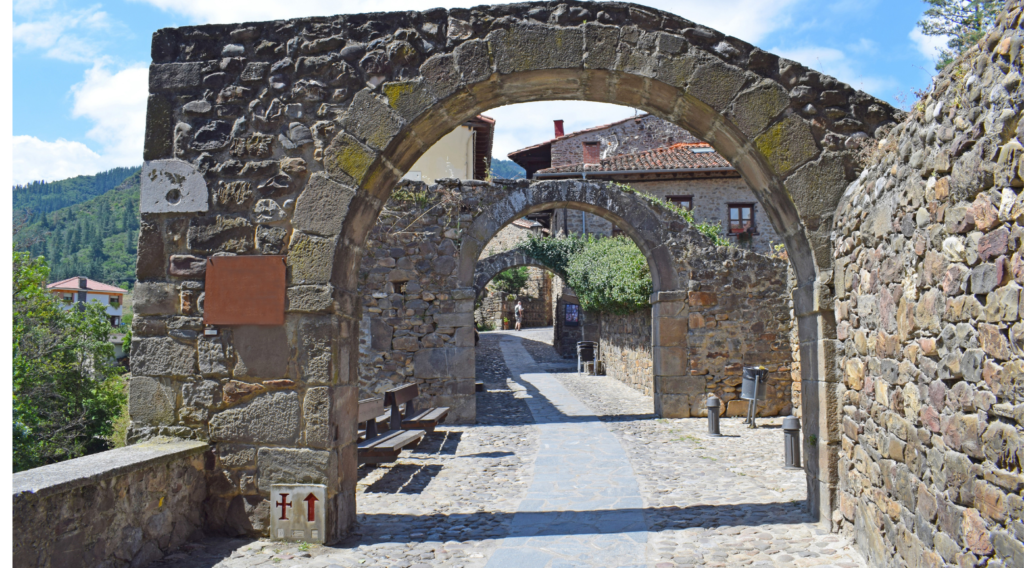
Day 6: Cangas de Onís & Covadonga Sanctuary
Leave Somiedo and drive east toward Cangas de Onís. The town serves as the gateway to the Picos de Europa.
Visit the Roman Bridge in the center of town. It stands as one of the most photographed landmarks in Asturias. Then head to the Covadonga Sanctuary. The site includes the basilica and the Holy Cave. Pilgrims visit this place set against a mountain backdrop.
If you have time, drive toward the Lakes of Covadonga. Winding roads lead to alpine viewpoints and hiking trails.
Stay overnight near Cangas de Onís. This gives you a strong base for a full day in the mountains tomorrow.
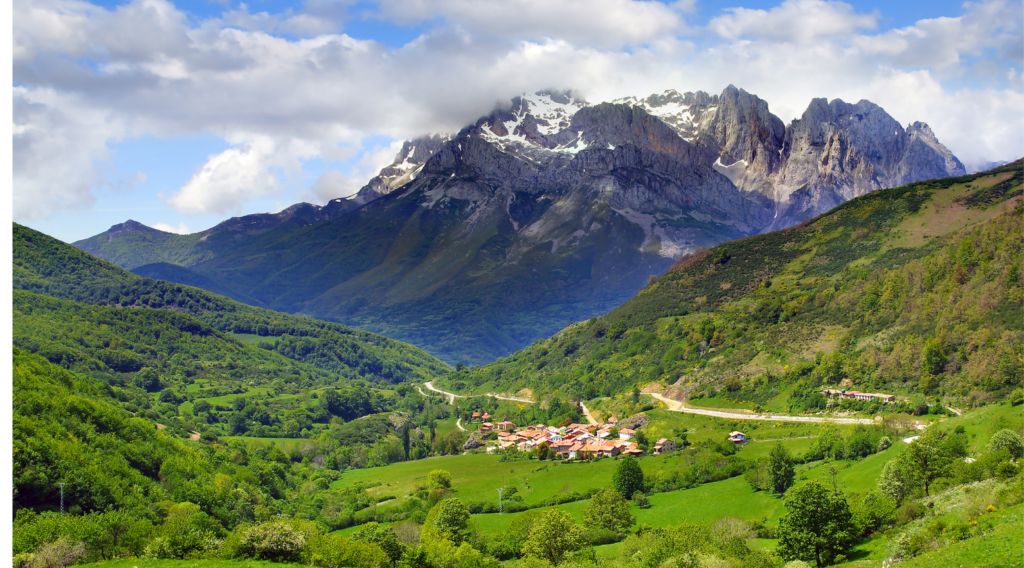
Day 7: Picos de Europa
Today, explore the landscapes of the Picos de Europa.
If you miss them yesterday, start early and drive up to the Lakes of Covadonga. The alpine setting, grazing cattle, and wide mountain views create one of the most memorable areas in Asturias.
For hiking, choose the Ruta del Cares. This trail follows a narrow path carved into cliffs above a river gorge. If you want an easier option, take the funicular to the village of Bulnes. You get mountain views without a long climb.
Spend the night in the Picos area. Or start driving toward the eastern coast to make tomorrow’s trip shorter.
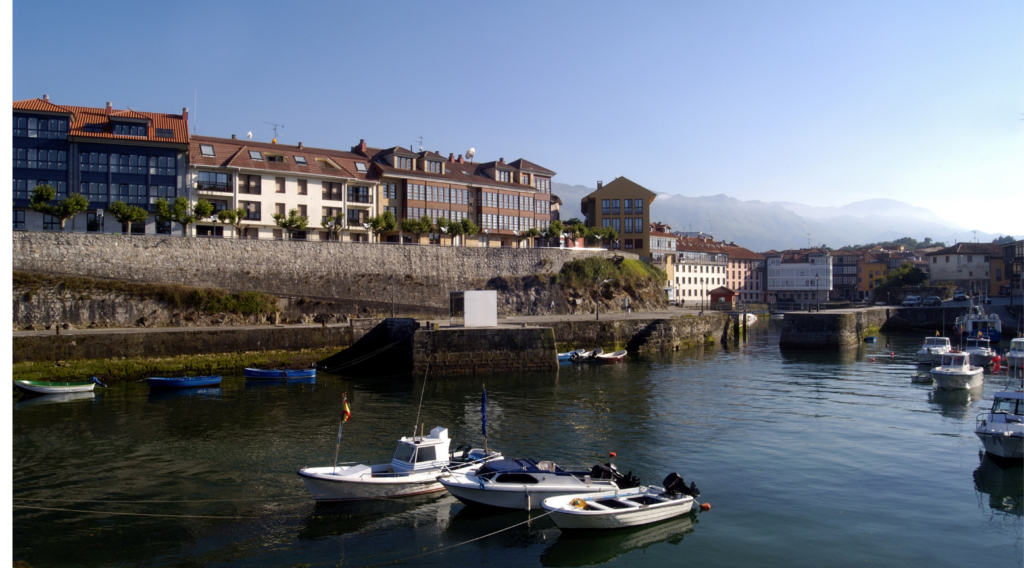
Day 8: Llanes
After you explore the mountains of the Picos, return to the coast. Base yourself in Llanes, one of the most charming towns in eastern Asturias.
Walk through the historic center and around the small harbor. Then visit the Cubes de la Memoria. Artist Agustín Ibarrola paints these large concrete blocks along the breakwater.
In the afternoon, head to nearby beaches like Playa de Torimbia. The beach is known for its wide sandy bay and steep cliffs. This coastline works well for scenic walks, viewpoints, and beach time.
Stay overnight in Llanes or close by. This gives you time to explore more of the eastern coast the next day.
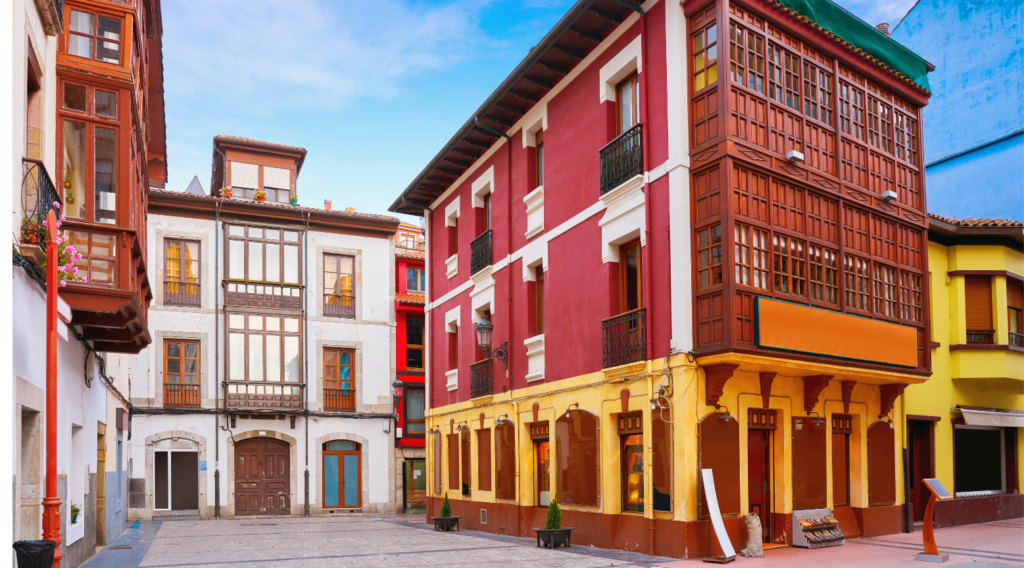
Day 9: Ribadesella & Eastern Coast
Continue west along the coast to Ribadesella, a relaxed seaside town known for its scenery and prehistoric heritage.
Visit the Tito Bustillo Cave. The site protects prehistoric cave paintings, so book in advance. After your visit, walk along the coastal promenade. You can also relax on Santa Marina Beach, a long sandy stretch backed by elegant villas.
Explore nearby coastal viewpoints and quiet beaches. In the late afternoon, drive toward Gijón.
Stay overnight near Gijón. This prepares you for your final day in Asturias.
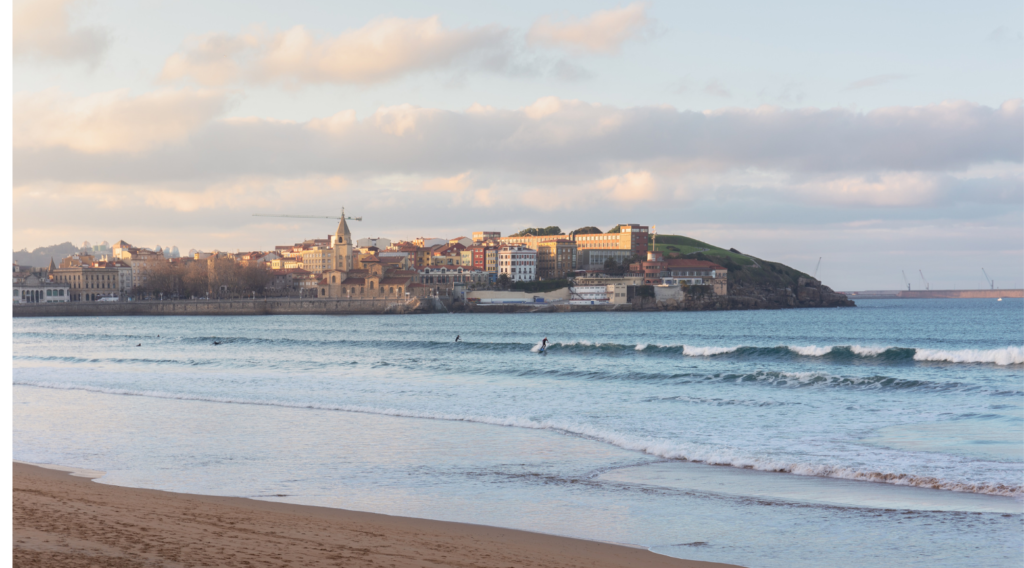
Day 10: Gijón
Finish your Asturias road trip in Gijón, a coastal city that blends maritime tradition with a relaxed urban feel.
Start in the Cimavilla neighborhood. Narrow streets lead you to hilltop views over the Cantabrian Sea. Then walk along San Lorenzo Beach. This long crescent of sand shapes the city’s coastline.
Spend your final afternoon on the seaside promenade. Visit a museum or sit at a café facing the ocean. In the evening, enjoy a farewell dinner with fresh seafood and a final glass of Asturian cider.
Gijón gives the journey a strong ending. The city feels coastal, lively, and clearly Asturian.
Practical Tips
Best Time to Visit
Asturias has a green, Atlantic climate. Temperatures stay mild. Rain falls often throughout the year. Late spring, from May to June, and early autumn, in September, offer a good mix of pleasant weather and fewer crowds.
Summer brings longer days and better hiking conditions in the mountains. It also brings the busiest season, especially along the coast and at the Lakes of Covadonga. Pack layers at all times, even in summer. Weather shifts fast in the mountains.
Car Rental & Driving
For this 10-day route through Asturias, use a car. Many scenic beaches, mountain viewpoints, and rural villages are hard to reach by public transport.
Most roads stay in good condition. Mountain routes feel narrow and winding, so drive with care. In high season, officials regulate access to the Lakes of Covadonga. You may need to park in a designated area and take a shuttle bus.
What to Eat in Asturias
Asturian cuisine is hearty and rooted in tradition. Don’t miss these dishes:
- Fabada Asturiana is a rich bean stew with chorizo and morcilla.
- Cachopo features breaded veal stuffed with ham and cheese.
- Sidra is traditional Asturian cider. Locals pour it from above the head in sidrerías.
Seafood also stands out along the coast. You find some of the best options in small fishing towns.
Route & Planning Advice
This itinerary follows a west-to-east route. The plan reduces backtracking. Change accommodation every one to two nights. This keeps drives short and relaxed.
Expect daily drives of about one to two hours between main stops. Time depends on detours and viewpoints. Book your stays in advance during summer, especially in mountain areas and small coastal towns.
Bring comfortable walking shoes. Pack layers for changing weather. Keep your schedule flexible. Asturias rewards a slower pace.
Final Thoughts
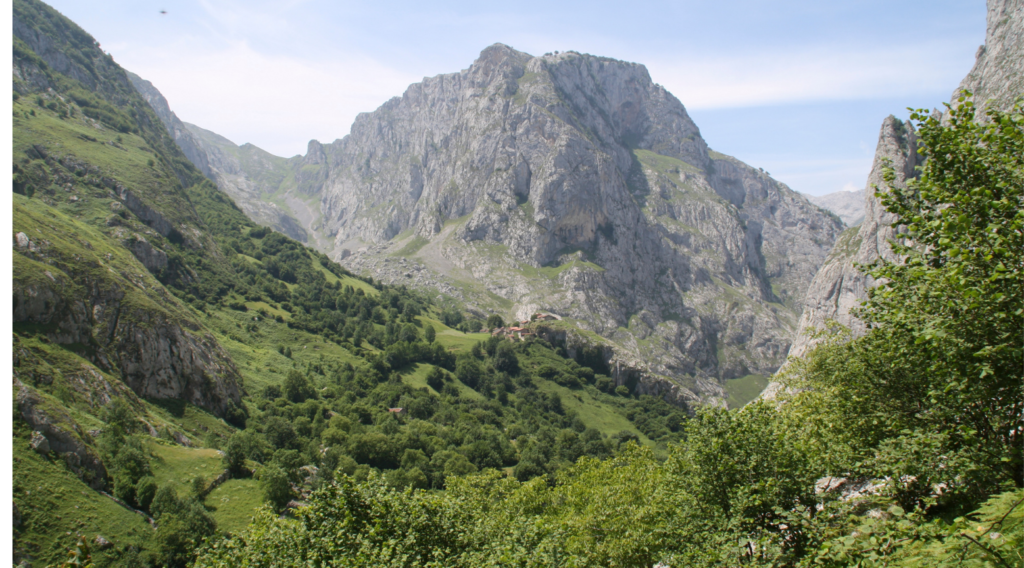
A 10-day road trip through Asturias brings together dramatic coastline, high mountain landscapes, historic towns, and strong regional culture. All of this fits within short driving distances.
The contrast makes this route stand out. One day you walk under ocean cliffs. The next day you hike alpine trails in the Picos de Europa. The shifts feel natural. The journey moves without backtracking.
This itinerary gives you a clear plan. Still, slow down when it feels right. Stay longer for a beach sunset. Choose a longer mountain hike. Order another glass of cider in a small-town sidrería.
Asturias rewards travelers who take their time. Ten days give you enough space to see its range without rushing.