
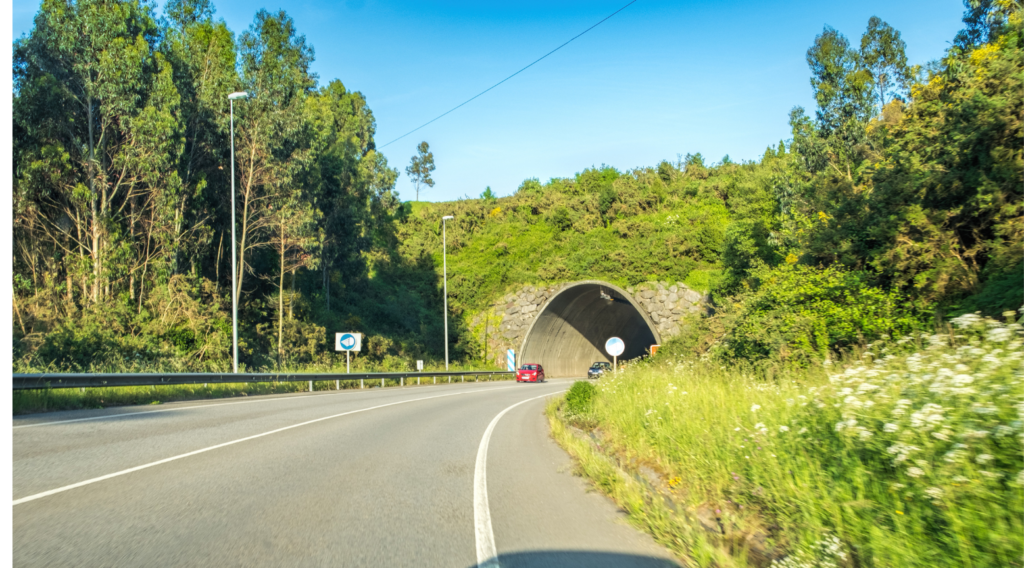
Spain’s wildest landscapes are not in the south. They are in the green and dramatic north.
Asturias sits between the Cantabrian Sea and the mountains of the Picos de Europa. The region has emerald valleys and sharp limestone peaks. It has hidden beaches, cider houses, and villages that feel untouched by time. Cows outnumber tourists. Coastal cliffs drop into strong Atlantic waves. Locals pour a simple glass of sidra with ceremony.
This 2 week Asturias itinerary follows a well-paced road trip through the best of the region. You explore the elegant streets of Oviedo. You visit the alpine lakes of Covadonga. You see prehistoric caves and fishing harbors. You drive through wild natural parks and along dramatic coastal roads.
You move from mountains to the sea. You travel from postcard-perfect villages to lively coastal cities. You end in the quiet interior of Asturias. Along the way, you experience the full character of Spain’s green north.
- Asturias Road Trip Overview
- Days 1–2: Oviedo – Elegant Start
- Days 3–4: Picos de Europa – Asturias at Its Wildest
- Day 5: Ribadesella
- Day 6: Llanes & Hidden Beaches
- Day 7: Cudillero – Postcard Harbor
- Days 8–9: Luarca & Western Asturias
- Day 10: Taramundi – Rural Escape
- Day 11: Avilés – Colorful & Contemporary
- Day 12: Gijón – Urban Coast
- Day 13: Somiedo Natural Park – Hidden Gem
- Day 14: Scenic Wrap-U
- Practical Tips & What to Eat in Asturias
- Final Thoughts on Visiting Asturias
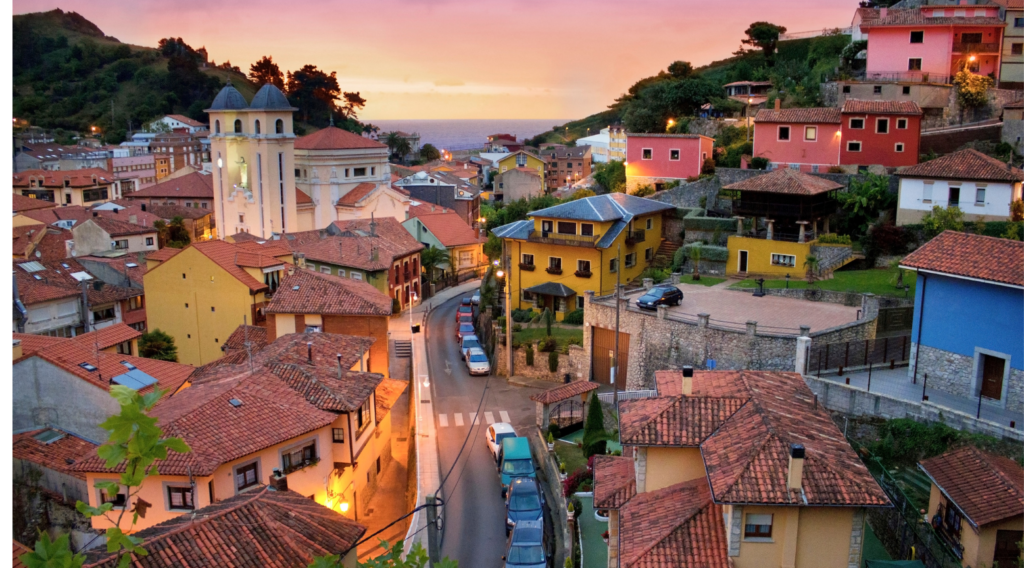
Asturias Road Trip Overview
This 2-week itinerary follows a scenic loop across Asturias. It balances mountains, coastline, historic towns, and quiet rural areas. You avoid extra backtracking.
The route moves in a natural way. You start in the Oviedo. Then you head to the peaks of the Picos de Europa. You continue along the eastern coast. After that, you explore the western fishing villages and finishing through the peaceful interior of the region.
You do not change accommodation every night. The plan uses four main bases. You stay in Oviedo for two nights. Then you move to Cangas de Onís, your base for Covadonga and the mountains. Next, you spend a few nights on the eastern coast in Ribadesella or Llanes.
From there, you can visit beaches and walk along the cliffs. For the final stretch, you stay on the western or central coast. You can choose places like Cudillero, Luarca, or Gijón. From these towns, you reach rugged shoreline, cider culture, and easy inland drives toward Somiedo Natural Park.
Days 1–2: Oviedo – Elegant Start
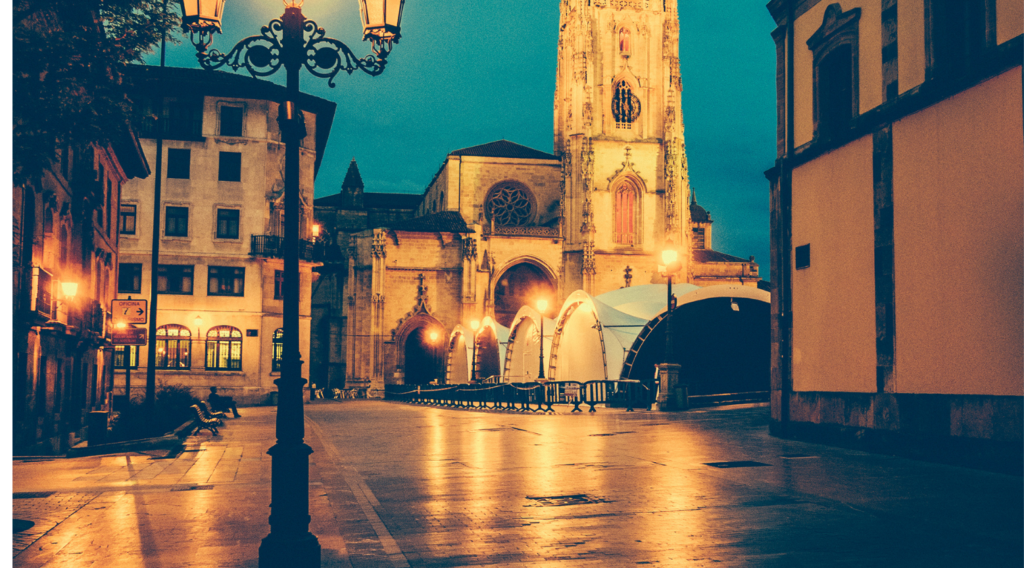
Your journey through Asturias begins in Oviedo. It is compact and easy to walk. It gives you a clear introduction to the region. Elegant plazas, medieval alleys, and cider houses shape the first impression.
Spend your first day in the historic center. Oviedo Cathedral rises above the old town. Its Gothic façade stands over the square. Inside, the Cámara Santa holds old religious relics that show the city’s history. Walk through Plaza de la Constitución. Continue to Plaza del Fontán, one of the most scenic corners of the city. Colorful buildings and busy terraces frame the square. In the evening, head to Calle Gascona, known as the cider street. Sidrerías line the road. Waiters pour Asturian cider from above their heads in a set ritual. Pair your first glass of sidra with fabada or cachopo. Food here means more than a meal. It reflects local identity.
On your second day, go up to Monte Naranco, just outside the center. From this hill, you see Oviedo and the green countryside around it. Here you find the 9th-century churches of Santa María del Naranco and San Miguel de Lillo. These buildings show early Asturian pre-Romanesque architecture. After you enjoy the view, return to the city. Spend a calm afternoon in Campo de San Francisco park or visit a museum. End the day with a relaxed dinner. Oviedo sets the tone for your trip. It feels cultural but simple. It feels historic yet personal. It stays close to the land around it.
Days 3–4: Picos de Europa – Asturias at Its Wildest
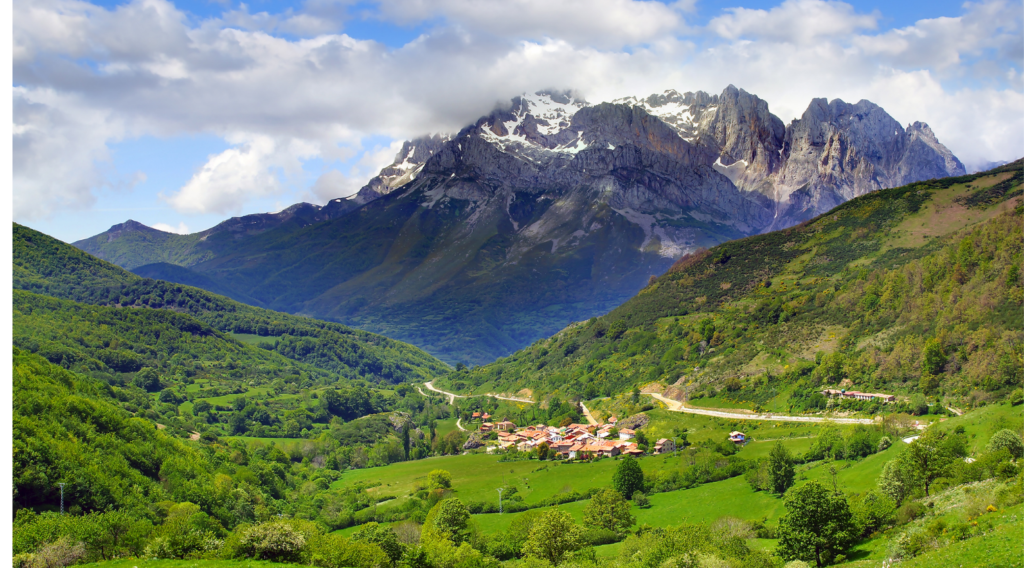
Leave the streets of Oviedo and drive southeast. The scenery changes fast. Within ninety minutes, green countryside turns into high limestone peaks and deep valleys. The road winds through the mountains. Stay in Cangas de Onís, a small but lively town near the park. Picos de Europa rises around you. The Roman Bridge stands at the edge of town with green hills behind it. It marks your entry into a wilder Asturias.
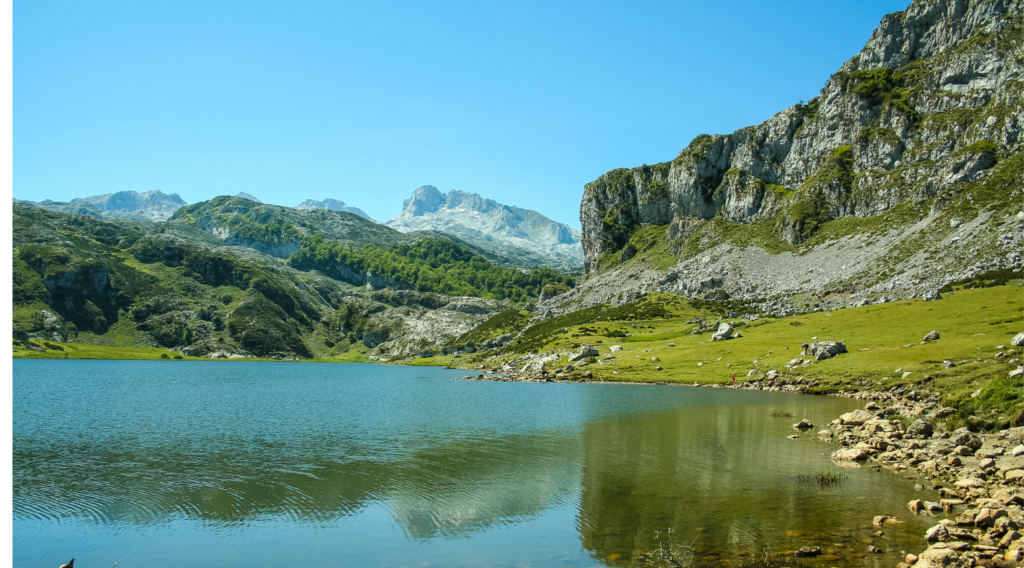
One major highlight is the Covadonga Lakes. Lagos de Covadonga sit high in the mountains. The drive up feels like part of the visit. Viewpoints open over wide valleys. Cows graze on the hillsides. Near the lakes, Basilica of Covadonga stands against the mountain. Its pink stone walls rise from the rock. The site holds strong meaning for Asturias. Even visitors with no religious interest admire the setting.
Hikers find some of the best trails in northern Spain here. The Ruta del Cares draws the most attention. The path cuts into cliffs above a deep gorge. Rock walls rise on one side. A river runs below. You can also choose a shorter walk. The peaks still surround you. In two days, you see why this range shapes the spirit of Asturias.
After time in the mountains, you leave the alpine air behind. The road drops toward the coast. The Atlantic comes into view.
Day 5: Ribadesella
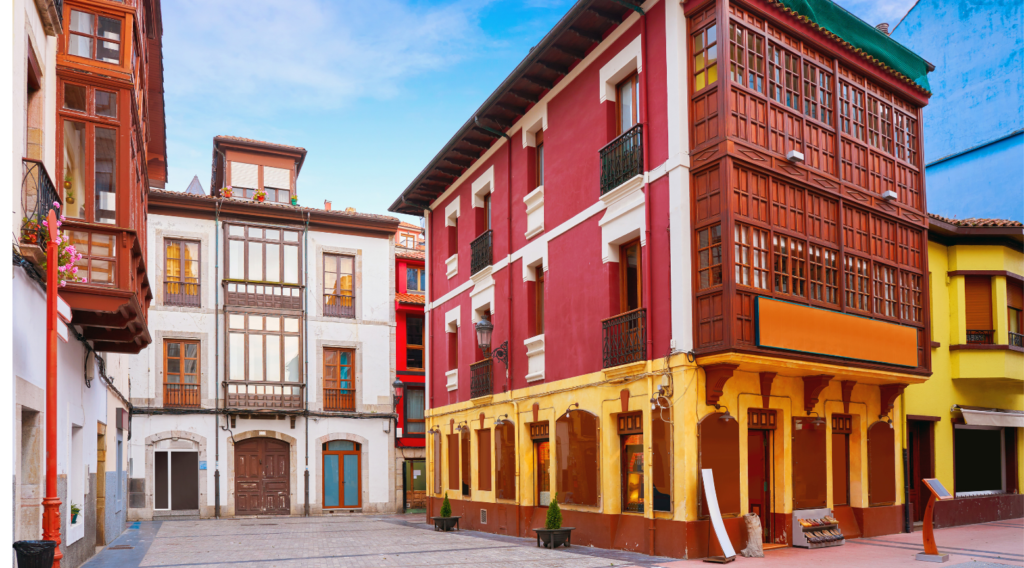
After the peaks of the Picos de Europa, the road winds down toward the Cantabrian Sea. Mountains fade into wide beaches and open views. Ribadesella marks the shift from alpine terrain to wild coastline. The town has a small harbor and colorful facades. The pace feels calm and easy. The air smells of salt. Everything moves slower here.
Ribadesella is known for the Cueva de Tito Bustillo. This cave site ranks among the most important in Europe. Inside, you see paintings that date back thousands of years. They show that people lived along this coast long before modern towns appeared. A visit here adds context to your trip. It links natural scenery with deep history.
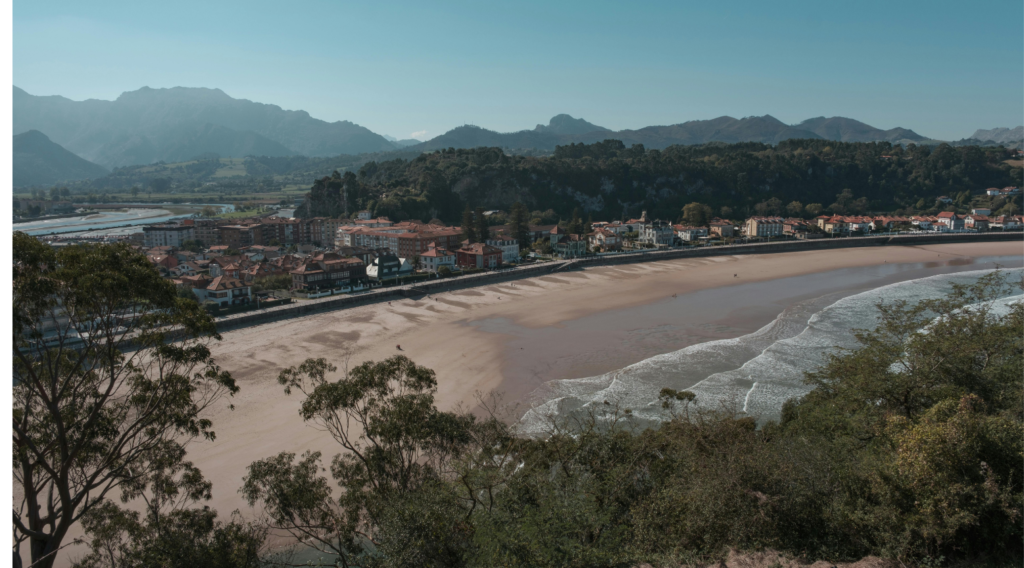
Above ground, walk along Playa de Santa Marina. The beach forms a long curve of sand. Villas line the shore, and green hills rise behind them. Stroll along the promenade and look out at cliffs and the Atlantic. In the late afternoon, the light softens and the views open wide. Ribadesella does not require a tight plan. You slow your pace. You breathe in the sea air. After the mountains, this stop feels like a pause before you continue along the eastern coast.
Day 6: Llanes & Hidden Beaches
Continue west along the coast and and you will reach Llanes, it is one of the most scenic stops on this route. The town has a medieval center, a small harbor, and strong coastal views. History and nature meet here in a clear way. The old town feels compact and inviting. Narrow streets lead to open squares and cider bars. The sea stays close at all times.
Walk along the Paseo de San Pedro. This grassy path runs above the cliffs. On one side, you see the Cantabrian Sea. On the other, the peaks of the Picos de Europa rise in the distance. Mountains and ocean share the same view. The setting shows what makes Asturias distinct.
Just outside town, more sights wait. Visit Playa de Gulpiyuri. This small beach sits behind coastal cliffs. Seawater moves through underground tunnels and fills a hidden sandy cove. Drive a short distance to the Bufones de Pría. Waves force water through holes in the limestone cliffs. When tide and wind align, seawater shoots into the air. Llanes is not about rushing. You explore at your own pace. You stop at viewpoints. You find quiet corners along the wild coast.
Day 7: Cudillero – Postcard Harbor
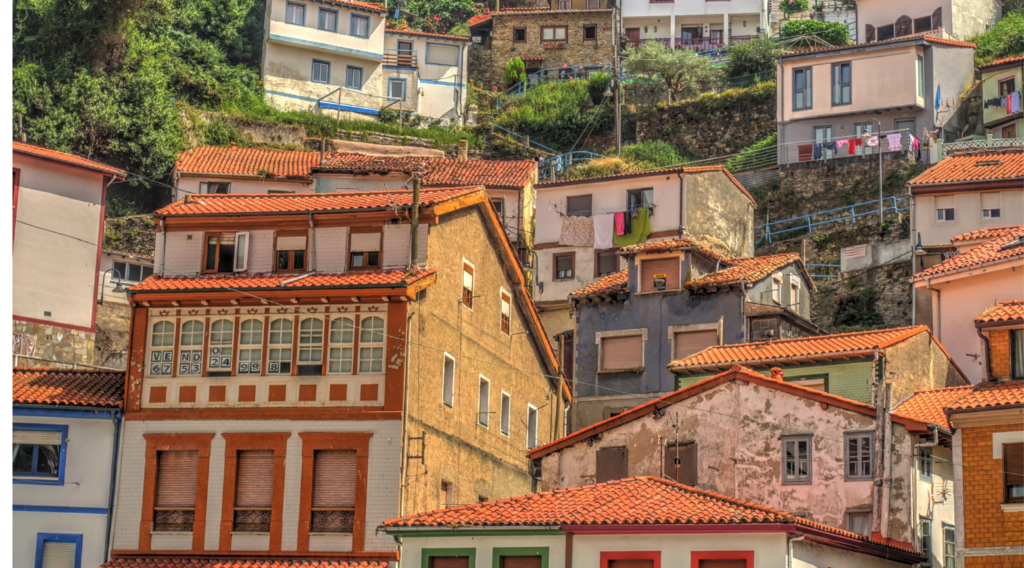
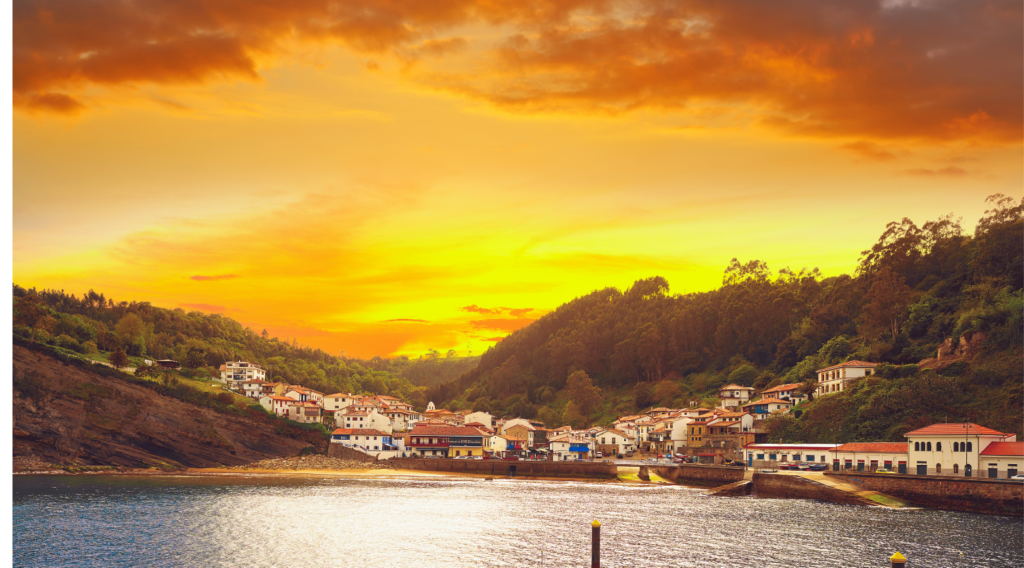
As you travel west, the coast turns rougher. The villages feel more removed from modern life. Cudillero stands out among them. This small harbor town faces the sea. Bright houses climb the hillside in a natural curve. The view feels like a postcard. Fishing boats sit in the port. Narrow staircases run between close rows of homes.
Explore Cudillero on foot. Walk up to a mirador and look back over the harbor. The houses form layers of color above the dark blue water. From above, you see how tightly the town holds to the cliffs. Return to the small plaza near the port. Sit down for a seafood lunch. Local boats bring in fresh fish and shellfish. The food reflects the town’s strong link to the sea.
Cudillero is small, and that gives it character. You slow your pace here. You watch daily life in a working fishing village. Light moves across the water as the day goes on. At sunset, the hillside houses catch a soft glow. This stop stays in your memory. It closes the first week of your journey along the Asturian coast.
Days 8–9: Luarca & Western Asturias
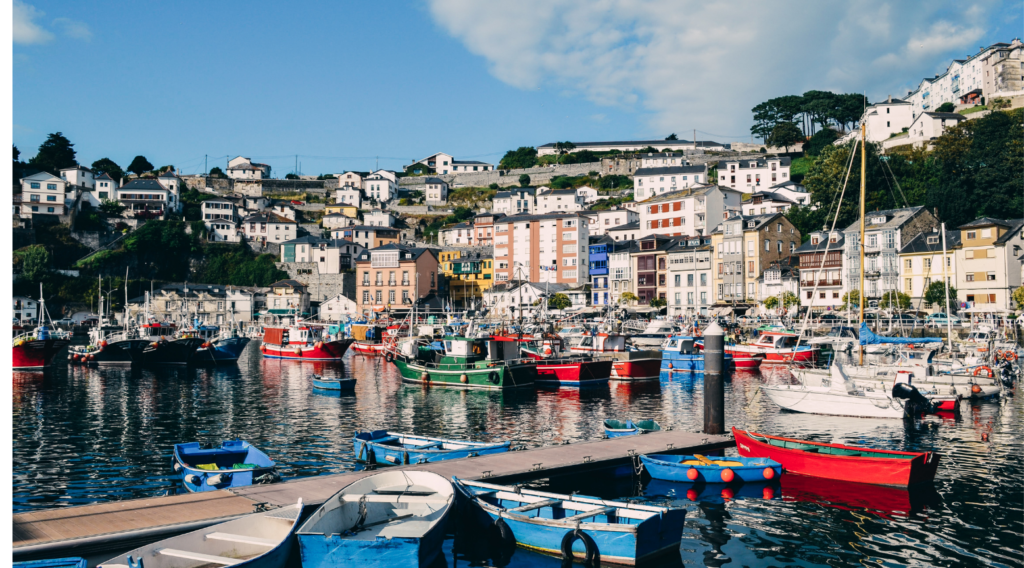
Farther west, Asturias grows quieter. The cliffs still rise above the sea, but fewer people visit this stretch. Roads narrow. Life moves at a slower pace. Luarca works well as a base in this area. The town sits around a natural harbor. White houses climb the hillsides above it. Fishing boats still use the port. The views feel open and calm.
Walk up to the lighthouse for wide views of the Cantabrian Sea. Waves hit the rocks below. Near the lighthouse, the cliffside cemetery looks out over the water. Its setting feels simple and striking. Sea air fills the streets. The horizon stays wide. Luarca invites quiet moments.
Beyond town, western Asturias rewards slow travel. Small coves wait at the end of winding roads. Villages rest between green hills. Viewpoints open over long stretches of rough coast. You do not rush from place to place. You take in the landscape as it comes. After the well-known stops in the east, this region feels real and untamed. Here, you follow the road and see where it leads.
Day 10: Taramundi – Rural Escape
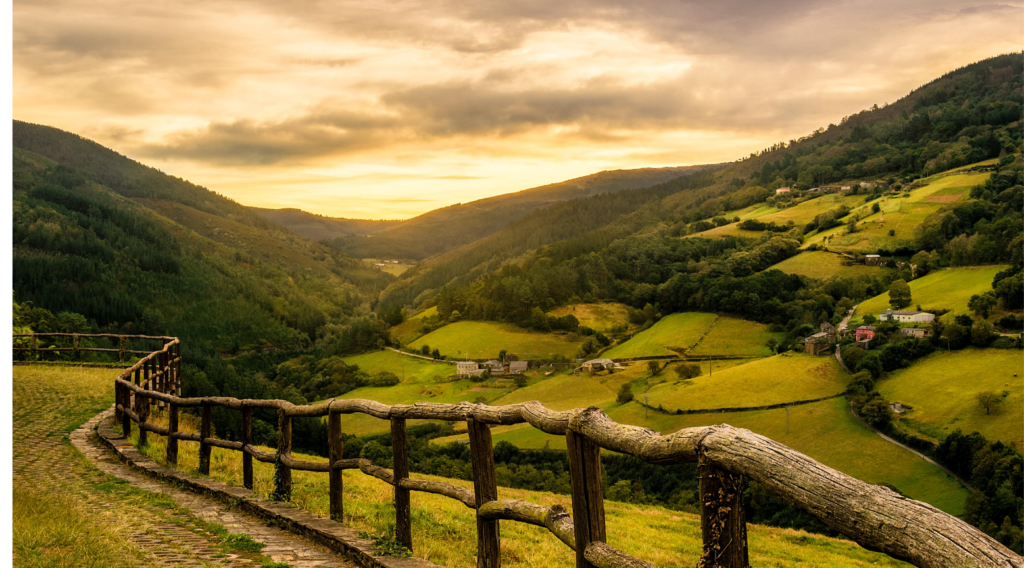
Leaving the coast behind, the road turns inland toward one of Asturias’ most traditional and rural corners. Taramundi sits near the border with Galicia. Green hills roll in every direction. Stone houses and slate roofs shape the view. Cattle graze in open fields. The drive feels like a shift into a quieter world. Villages grow smaller. Valleys look full and green. Life moves at a slow pace.
Taramundi is known for its long knife-making tradition. Local workshops still craft blades by hand. Makers pass their skills from one generation to the next. This craft shapes the village identity. Outside town, old watermills show how people once used stream power in daily life. Trails cross the countryside. You walk past wooden bridges, forest paths, and soft hills with little sign of modern change.
This day calls for a full pause. You do not find cliffs or major monuments. You find open land and local tradition. Birds and wind break the silence. After the coast, Taramundi shows a different Asturias. It feels rooted, simple, and close to its rural past.
Day 11: Avilés – Colorful & Contemporary
After the quiet hills of Taramundi, you return to the central coast. Avilés often surprises visitors. Many travelers overlook it. The city combines a well-preserved historic center with modern design. Old streets stand close to bold new buildings.
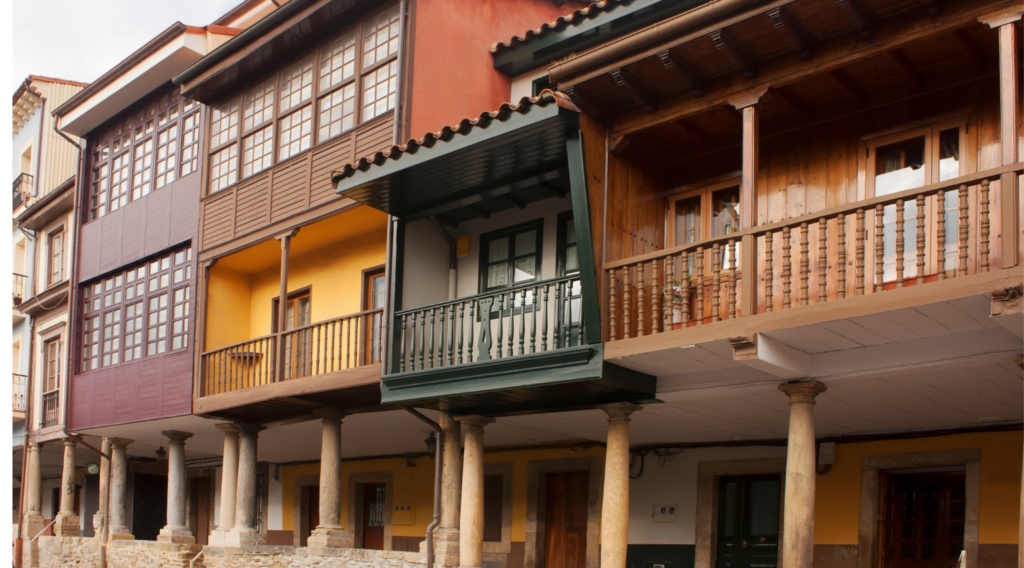
Walk through the medieval quarter. Arcaded streets and open squares shape the area. Restored facades show the city’s past wealth from trade and the sea. Plaza de España sits at the center of it all. Cafés fill the square, and locals gather there each day. The mood feels real and part of daily life. It does not feel staged for visitors.
Across the estuary, the Centro Niemeyer rises in bright white curves. Brazilian architect Oscar Niemeyer designed the complex. Its open plaza and smooth lines contrast with the medieval streets nearby. The building marks a new chapter for the city. You can spend a few hours here or stay longer. Avilés shows another side of Asturias. It highlights urban life along with natural scenery.
Day 12: Gijón – Urban Coast
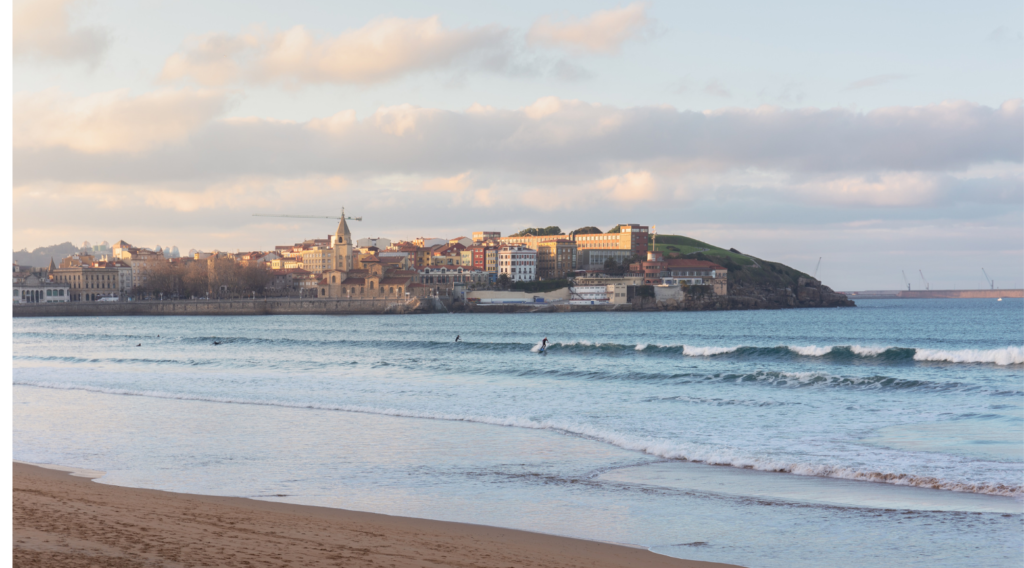
Your journey now leads to Gijón, the largest coastal city in Asturias. The city feels lively and open after the small fishing villages. It sits along the Cantabrian Sea and stays close to the water. Surf culture, maritime history, and cider tradition shape daily life here.
Start in Cimavilla, the old fishermen’s quarter. It stands on a small peninsula between two beaches. Narrow streets climb uphill toward wide views of the Atlantic. Waves hit the rocks below. From there, walk along Playa de San Lorenzo. The beach forms a long curve of sand along the city. The tide shifts the mood of the shore. At high tide, waves roll in with force. At low tide, wet sand reflects the sky. The beach gives Gijón its steady sense of motion.
In the evening, the city grows more active. Sidrerías fill with voices and the scent of fresh cider. Servers pour cider from above the head in the local style. After days in the mountains and quiet villages, Gijón brings back an urban pace. It still feels true to Asturias. Here, you enjoy one more taste of Atlantic life before you head inland again.
Day 13: Somiedo Natural Park – Hidden Gem
For your final full day, leave the coast again and drive into Somiedo Natural Park. This landscape feels remote in a good way. Glacial lakes sit between rolling pastures and rough peaks. Nature leads the scene. The park feels softer and more open than the Picos de Europa. It still holds strong beauty.
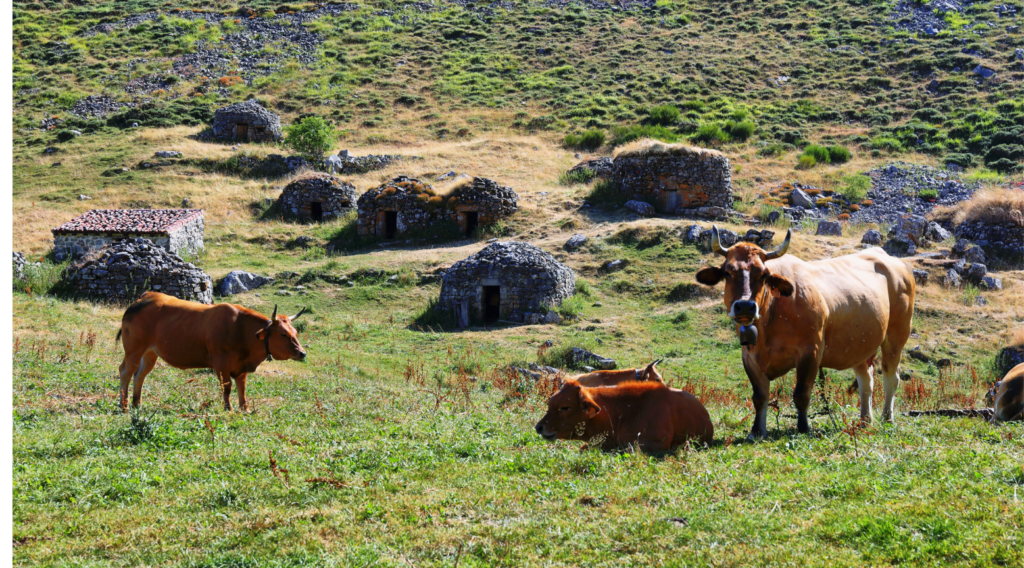
Somiedo is known for its brañas. These small groups of stone huts once sheltered shepherds in summer. Some have thatched roofs, others use slate. They sit across the hills and give the land a timeless look. You choose your pace here. Some trails circle alpine lakes. Others climb to wide viewpoints over green valleys.
The park also protects the Cantabrian brown bear. This species stands as a symbol of conservation in the region. Sightings remain rare. Still, the idea that bears roam these mountains adds depth to the visit. You end your trip in quiet air and open space. You reflect on two weeks of change. You have seen cliffs and cities, caves and highland meadows.
Day 14: Scenic Wrap-U
Your final day in Asturias focuses on the journey itself. You do not chase major sights. If you depart from Oviedo or Gijón, enjoy a slow morning in the mountains before you drive back. You might also stop once more along the coast. In Asturias, the road often stands out. It winds past ocean views, quiet valleys, and small villages that feel unchanged.
Use this time to return to a place you liked most. Visit a cliffside viewpoint over the Cantabrian Sea. Stop at a hidden beach you found earlier. Sit at a café in a rural village. Asturias welcomes small detours. An open schedule on your last day leaves room for simple discoveries.
After two weeks, you see how varied the region feels. You have explored the peaks of the Picos de Europa, the fishing harbors along the coast, and the highlands of Somiedo Natural Park. Each place connects in a quiet way. Asturias reveals itself step by step. As you leave, you may already plan to return. It becomes more than a stop on a map. It becomes a place you grow into over time.

Practical Tips & What to Eat in Asturias
Explore Asturias by car. Public transport runs through the region, but a car gives you freedom. You reach mountain viewpoints, hidden beaches, and rural villages with ease. Roads stay in good condition. Some mountain routes feel narrow and winding, so plan extra time and drive with care. In summer, access to the Lagos de Covadonga can face limits. Shuttle buses may operate, or you may need to plan ahead.
Visit from late spring to early autumn for the best conditions. Trails stay clear, and days along the coast last longer. Weather in northern Spain can shift fast, even in summer. Pack layers and expect some rain. The frequent rain keeps the landscape green.
Food in Asturias feels filling and rooted in tradition. Try fabada Asturiana, the region’s well-known bean stew. Order cachopo, a breaded steak filled with ham and cheese. Along the coast, restaurants serve fresh seafood. Inland villages focus on mountain dishes. And always taste sidra, the local cider. Servers pour it in the traditional way, which turns a simple drink into a shared custom.
Bring an open schedule and a strong appetite. Take your time. Asturias gives you one of Spain’s most genuine and varied travel experiences.
Final Thoughts on Visiting Asturias
Asturias does not try to impress you at once. It reveals itself step by step. Mist moves across the peaks of the Picos de Europa. Waves hit quiet coastal cliffs. Long lunches fill small village sidrerías. No single landmark defines the region. Mountains, ocean, culture, and tradition sit close together.
In two weeks, you see wide variety within short drives. You visit alpine lakes, prehistoric caves, fishing harbors, coastal cities, and highland valleys. Each place feels different. Still, the region holds a strong sense of unity. Asturias stays true to its identity.
If you want a part of Spain that feels green and local, Asturias meets that hope. Many visitors leave with the same thought. They plan to return.
Pingback: What Asturias Is Known For: 7 Incredible Reasons to Visit | Rovenect