
Asturias is one of Spain’s most underrated regions. Wild Atlantic beaches sit beside dramatic mountain landscapes. Traditional food culture still shapes daily life. Located in northern Spain, Asturias feels far from the country’s well-known southern destinations. The scenery stays green, the climate stays cooler, and the pace of travel feels slower and more authentic.
If you wonder what to do in Asturias, this guide goes beyond a simple list of attractions. It covers the coast and the mountains. It highlights beautiful towns and outdoor activities for nature lovers. It also offers clear planning advice to help organize the trip with confidence.
This destination works well for many travel styles. A road trip through northern Spain fits naturally here. A hiking-focused holiday in the Picos de Europa makes sense. Food-focused travel centered on cider and seafood feels at home. A quiet nature break away from mass tourism also works well.
The guide includes practical information as well. It explains how to get to Asturias and how to move around the region. It covers where to stay, how many days are needed, and the best time to visit. This makes it easier to decide if Asturias matches your travel style and how to make the most of the experience.
Best Things to Do in Asturias
Asturias is a region where nature, culture, and food connect closely. The best things to do focus on landscapes, traditional towns, and outdoor time. Instead of rushing between landmarks, you move at a slower pace. The region rewards exploring by area or by interest.
Below are the experiences that shape a trip to Asturias.
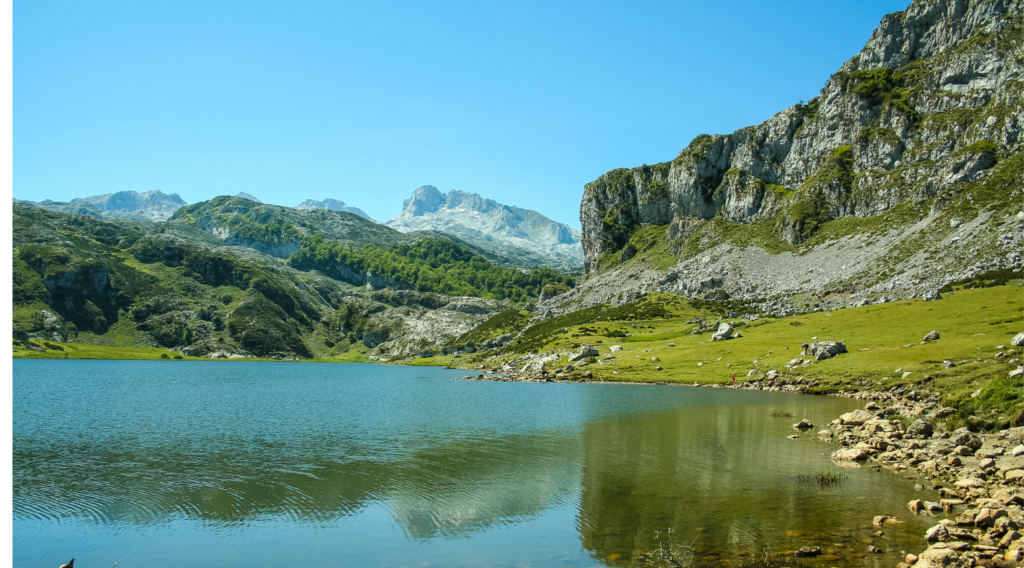
Explore Asturias’ Dramatic Coastline
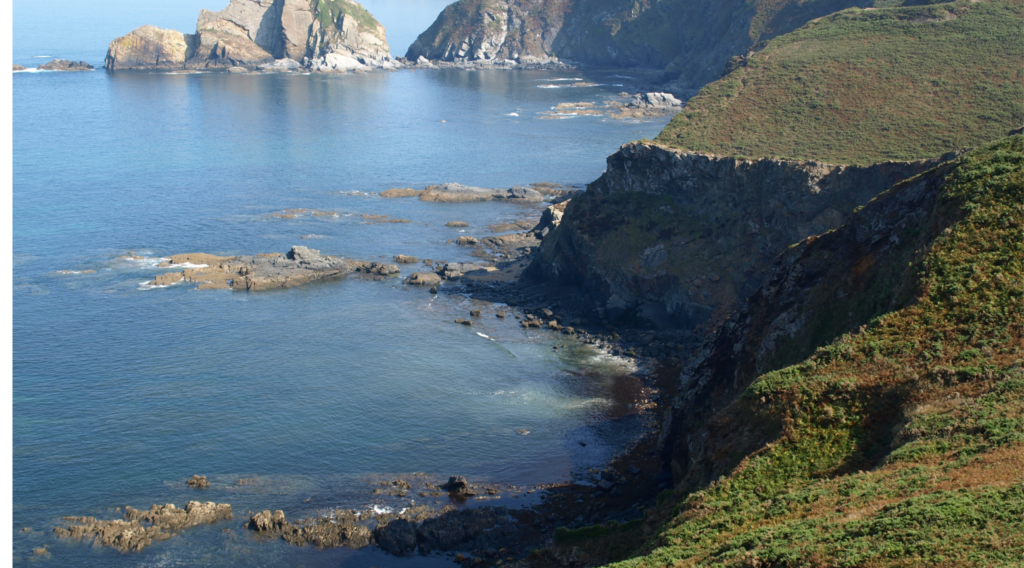
The coastline of Asturias stands out in northern Spain. The Cantabrian Sea shapes it with steady force. Long resort beaches are rare. Instead, you see cliffs, hidden coves, and wide sand beaches. Green hills rise behind the shore. The coast feels wild and natural. It feels far from Spain’s Mediterranean shores.
Many beaches in Asturias feel remote and untouched. You often reach them on foot. Paths lead through farmland or along cliff edges. The landscape shifts with light, tides, and weather. This keeps the coast interesting to explore. On calm summer days, you swim or rest on the sand. When the sea turns rough, waves crash hard against the cliffs. These moments suit photos and coastal walks.
Small fishing villages and quiet seaside towns line the coast. Life still centers on the sea. In these places, you slow down. Fresh seafood shapes daily meals. Local identity feels strong and clear. You spend time walking clifftop paths, finding quiet beaches, or watching the waves. The Asturian coastline plays a key role in understanding the region.
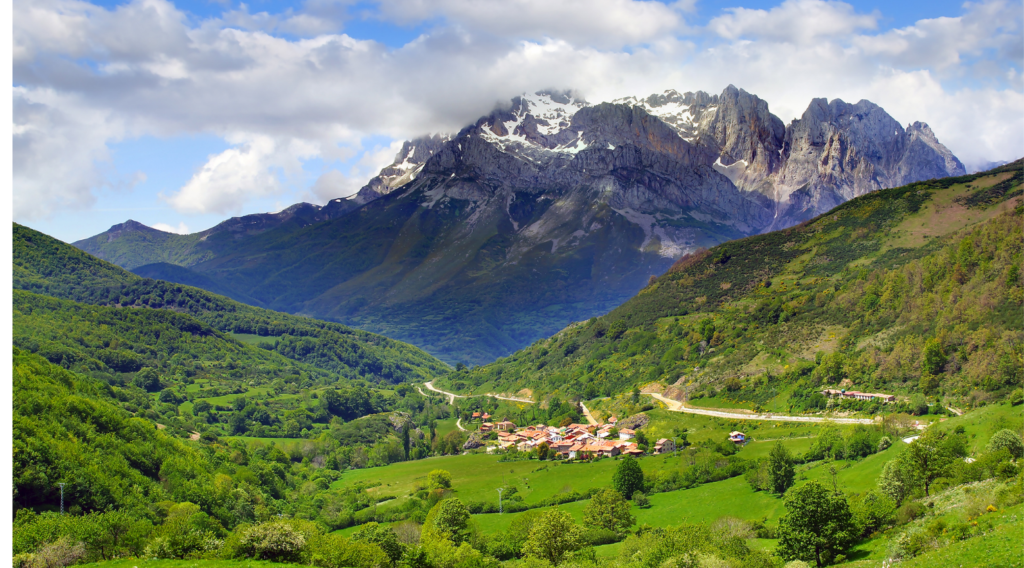
Discover the Picos de Europa Mountains
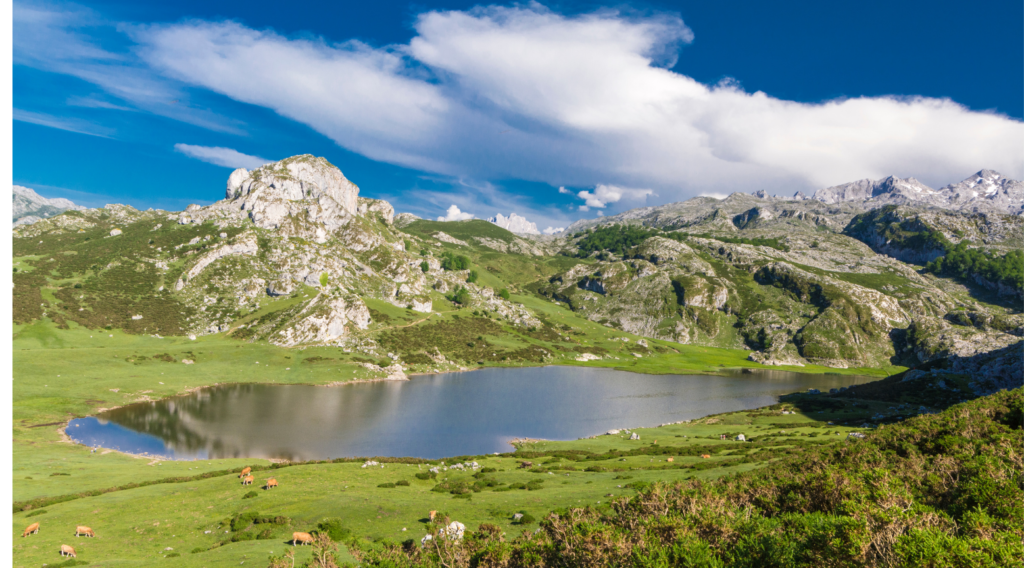
The mountains of the Picos de Europa form the dramatic interior of Asturias. They are one of the region’s main highlights. Limestone peaks rise sharply from green valleys. The landscape feels rugged but easy to access. It suits travelers who want mountain scenery without extreme adventure.
The area is known for alpine lakes, deep gorges, and wide viewpoints. Many spots are easy to reach. Short walks and scenic drives lead the way. At the same time, harder hiking routes exist. Experienced walkers follow trails across high passes and remote valleys. Shepherd paths still shape the land. Even without long hikes, you feel the scale of the mountains. A simple drive or viewpoint stop makes that clear.
Mountain villages sit across the range. Life here moves at a slower pace. Traditions link closely to livestock, cheese, and local customs. This part of Asturias feels very different from the coast. Temperatures stay cooler. Surroundings feel quiet and open. Nature plays a stronger role. For many travelers, you remember the mountains most. They often define the trip.
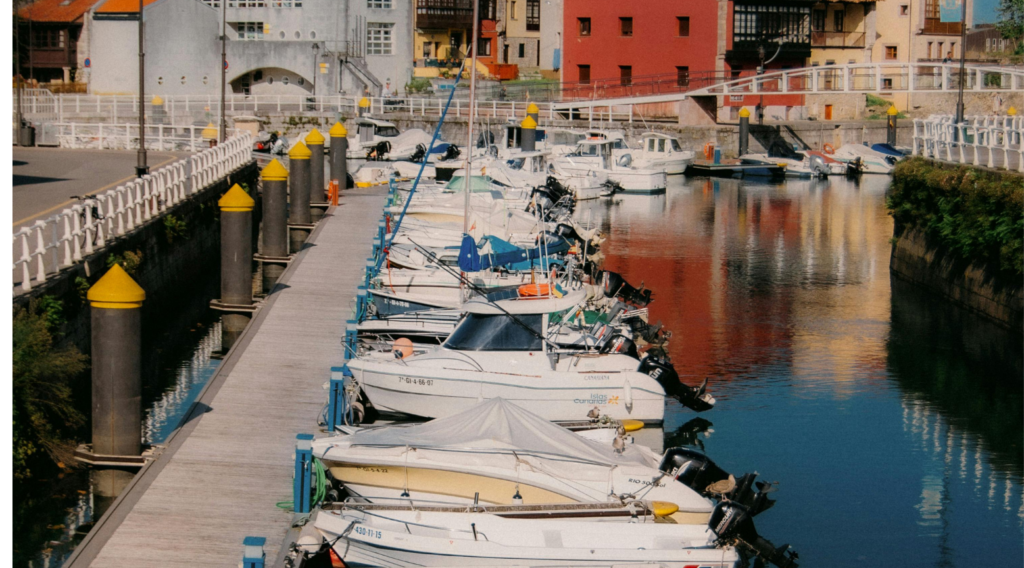
Visit Asturias’ Most Beautiful Towns & Cities
The towns and cities of Asturias balance history, culture, and daily local life. Large crowds feel rare here. Each place has its own character. Centuries of maritime trade and regional tradition shape the streets. The surrounding landscape also plays a role. Visiting both cities and small towns gives a wider view of the region, beyond nature alone.
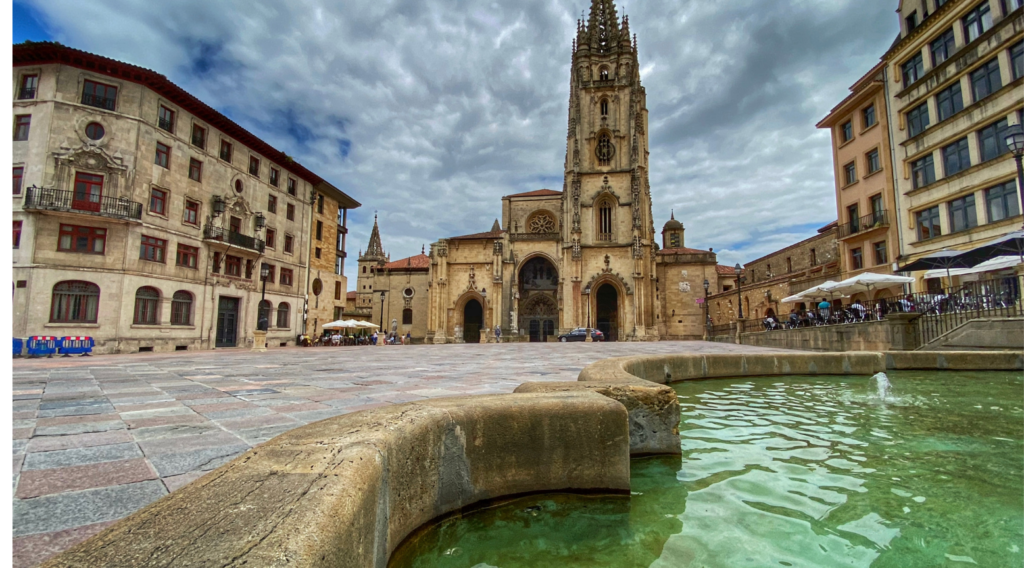
Oviedo is known for its elegant historic center. Narrow streets, traditional sidrerías, and well-kept buildings define the area. The mood feels calm and refined. It works well for experiencing Asturian culture. Historic churches sit near lively squares where locals gather for food and cider. Oviedo also suits travelers who want a central base.
Gijón feels more open and energetic. City life blends with the sea. A long promenade runs along the coast. The old fishing quarter and nearby beaches shape its identity. The city suits those who want comfort and movement. Nature stays close, with green hills and coastal paths nearby.
Avilés often surprises visitors. Its old town is well preserved. Arcaded streets add color and charm. The pace feels slower and quieter. Across Asturias, small villages and market towns add depth. Traditional buildings, local festivals, and daily routines feel genuine. Together, these places add a cultural layer that complements the coast and the mountains.

Experience Asturias’ Food & Drink Culture
Food plays a central role in daily life in Asturias. Tasting the local cuisine is one of the most rewarding experiences in the region. Asturian cooking connects closely to land and sea. Mountain dishes feel hearty and filling. Seafood comes fresh from the Cantabrian coast. Seasonal and local ingredients guide most meals.
Cider stands out as a key part of Asturian culture. It is more than a drink. It acts as a shared ritual. Cider is poured from height to open its flavor. Small amounts fill the glass. The drink is shared or refreshed often. In a traditional sidrería, you see this custom in action. Simple dishes arrive at the table and invite sharing.
The cuisine reflects a cooler climate and rural roots. Slow-cooked stews and bean dishes appear often. Grilled meats also play a role. Local cheeses show strong variety and character. Along the coast, menus shift toward fish and shellfish. Preparation stays simple. Freshness leads the dish.
Meals in Asturias move at a slow pace. Food brings people together. Tables fill with conversation and shared plates. Whether dining in a city restaurant, a seaside tavern, or a village setting, you feel this connection. Asturian food culture adds depth and meaning to any trip.
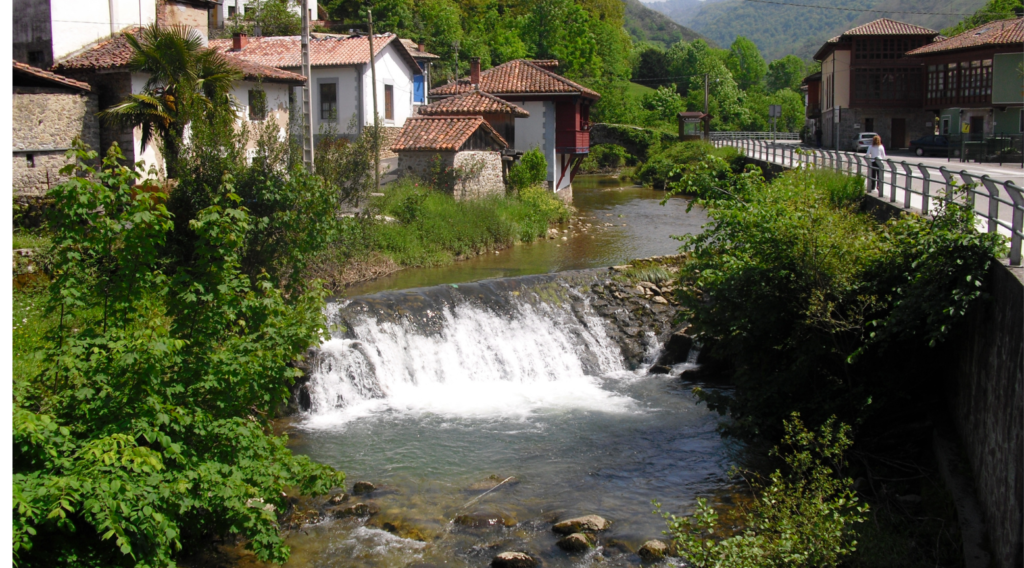
Outdoor Activities Beyond Hiking
Thanks to its varied landscapes, Asturias offers many outdoor activities beyond hiking. The region suits active travelers. Mountains, rivers, coastline, and countryside sit close together. You move between experiences with little travel time.
Along the coast, Atlantic swells shape strong waves. Asturias ranks among the best surfing areas in northern Spain. Some beaches suit beginners. Others challenge experienced surfers. Inland, rivers flow down from the mountains. These rivers support kayaking and canoeing. Routes pass through green valleys and narrow gorges. The setting feels far from urban life. Warmer months suit these activities best. They add range to a nature-focused trip.
Cycling offers another way to explore at a slower pace. Quiet roads cross rural areas. Villages, farmland, and rolling hills line the route. For more adventure, canyoning and guided multi-sport trips stand out. These activities show the landscape from a new angle. They remain open to travelers without special training.
Outdoor activities in Asturias feel easy to access. You do not need expert skills. Many options adjust to different fitness levels. The cooler climate helps. Crowds stay low. Together, these features make Asturias a strong choice for staying active while close to nature.
Cultural & Historical Experiences
Beyond its landscapes, Asturias has a deep cultural and historical heritage. This heritage shapes its identity within Spain. Centuries of relative isolation help preserve traditions, architecture, and customs. Many of them feel distinct from other regions. Cultural exploration plays an important role in any visit.
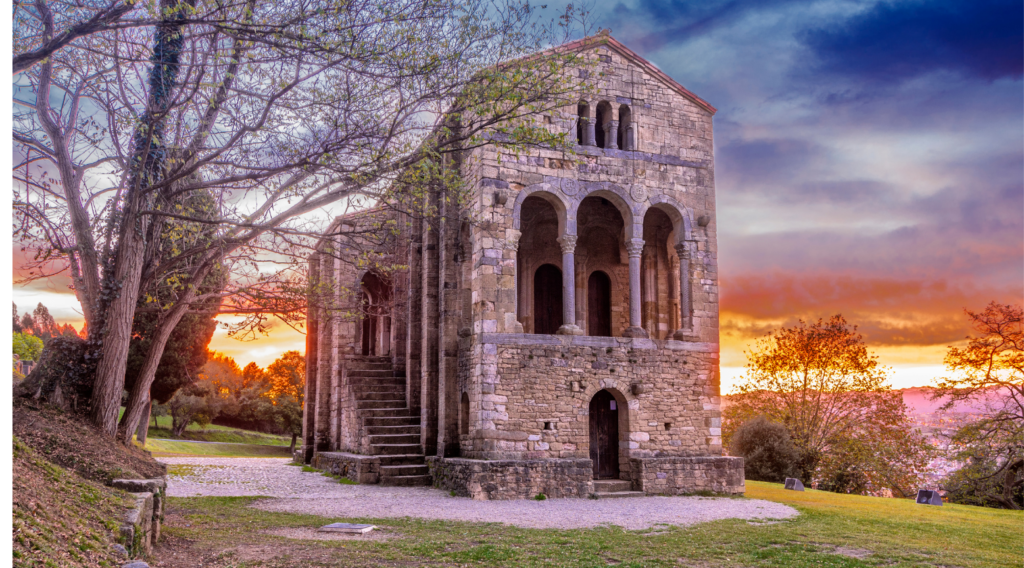
Asturias is well known for its pre-Romanesque architecture. This style develops locally during the early Middle Ages. Churches and monuments across the region still show it today. Many stand in quiet, green settings. These surroundings add to the mood. Visiting them feels like stepping back in time.
Rural life also shapes Asturian culture. Small villages spread across the countryside. Stone houses, granaries, and old monasteries mark the land. Daily life stays closely tied to farming and livestock. In many places, you still see traditional crafts, local markets, and community events. These practices remain part of real life, not staged displays.
Festivals and local events offer another way to connect with the culture. Many focus on food, music, or religious tradition. Even outside festival seasons, you find museums and cultural centers in towns and cities. They explain the region’s past, from early settlements to later industrial growth. Together, these experiences add depth to Asturias and balance nature with a strong sense of place

How to Get to Asturias
Reaching Asturias is fairly simple, even though the region feels remote. Air, train, and road links connect it well. Travel works smoothly from within Spain or from abroad.
Many travelers choose to fly into Asturias Airport. It sits near the coast, between Oviedo and Gijón. Regular flights arrive from major cities like Madrid and Barcelona. Some international routes run by season. From the airport, buses and car rentals make city access easy. It also works well as a starting point for a road trip.
Train travel offers another option. Routes from Madrid and other northern regions pass through green landscapes and mountain areas. The journey takes longer than flying. The views add value. For many, you enjoy the trip itself as much as the arrival.
Driving remains popular, especially for exploring the coast and countryside. Roads stay in good condition. Routes cross mountain ranges and open wide views. A car gives freedom right away. This helps in a region where highlights spread across rural areas.
Once there, Asturias feels calm and uncrowded. Logistics stay simple. Whether you fly, take the train, or drive, access feels easy. The journey often previews the landscapes that define the region.
Getting Around Asturias
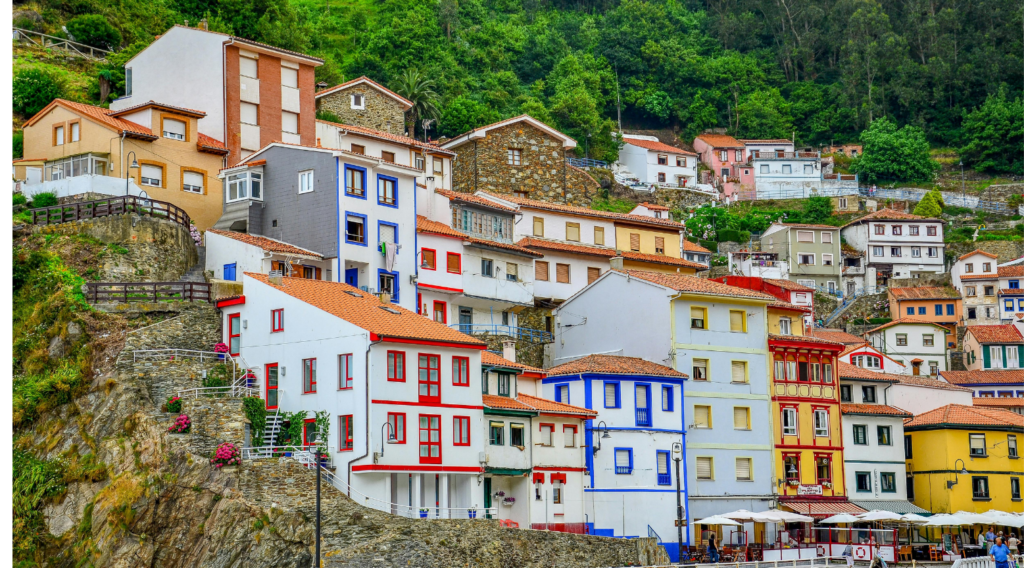
Getting around Asturias is fairly easy. The best option depends on how you plan to travel. The region is compact, but key sights sit far apart. Hidden beaches, mountain villages, and rural viewpoints spread across the landscape. Transport plays a clear role in planning.
A car offers the most freedom. It often works best for deeper exploration. Driving lets you move between coast and mountains with ease. You stop at viewpoints and reach quiet beaches. Rural stays become easier. Roads stay in good condition. Distances feel short, though mountain roads slow the pace.
Public transport connects main cities and towns well. Coastal routes work best. Links between Oviedo, Gijón, and Avilés run often. Trains and buses serve these areas reliably. Service drops in rural and mountain zones. Without a car, you focus on cities and select spots. The route stays more limited.
Taxis and guided trips help fill some gaps. They suit popular day routes. For a quieter pace and full access, a rental car remains the most practical choice.
Where to Stay in Asturias?
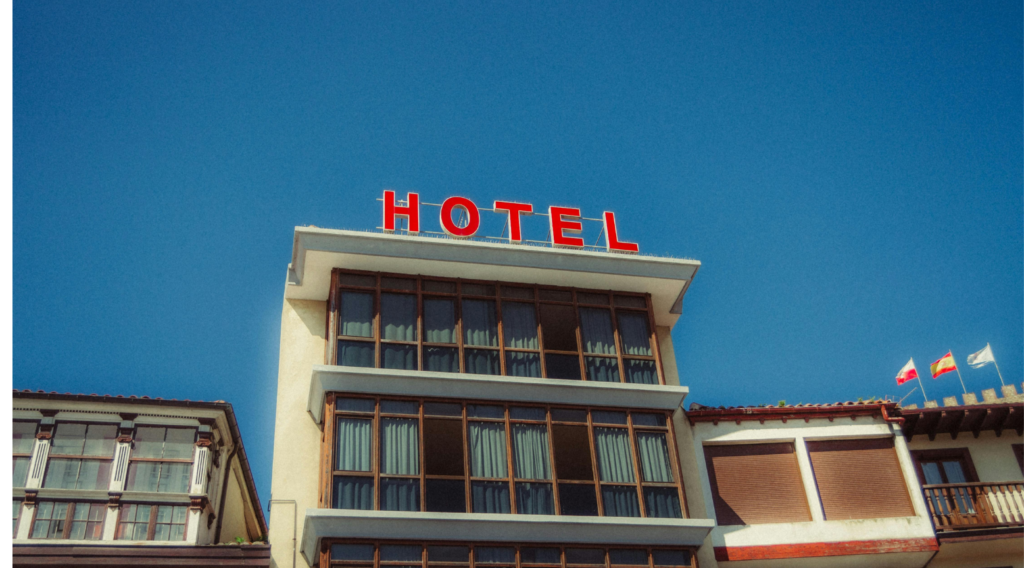
Choosing where to stay in Asturias depends on the type of experience you want. The region offers varied settings within a small area. Lively cities, quiet valleys, and coastal villages all feel different. Accommodation often reflects the surrounding landscape.
Staying in a main city like Oviedo or Gijón suits those who value convenience. Restaurants, shops, and transport sit close by. Cities work well as short-stay bases. You balance comfort with culture. Nature stays within easy reach.
For a quieter stay, many travelers choose rural areas or small villages. Asturias is known for countryside houses and rural lodging. These stays sit among green hills or near the mountains. You slow the pace and focus on the landscape. Asturian daily life feels more present, especially when traveling by car.
Coastal towns and villages offer another option. Sea views shape the stay. The pace stays relaxed. Beaches and seafood remain close. The maritime side of the region comes into focus. Whether you choose city, countryside, or coast, accommodation in Asturias fits well with its calm, nature-led style of travel.
How Many Days in Asturias?
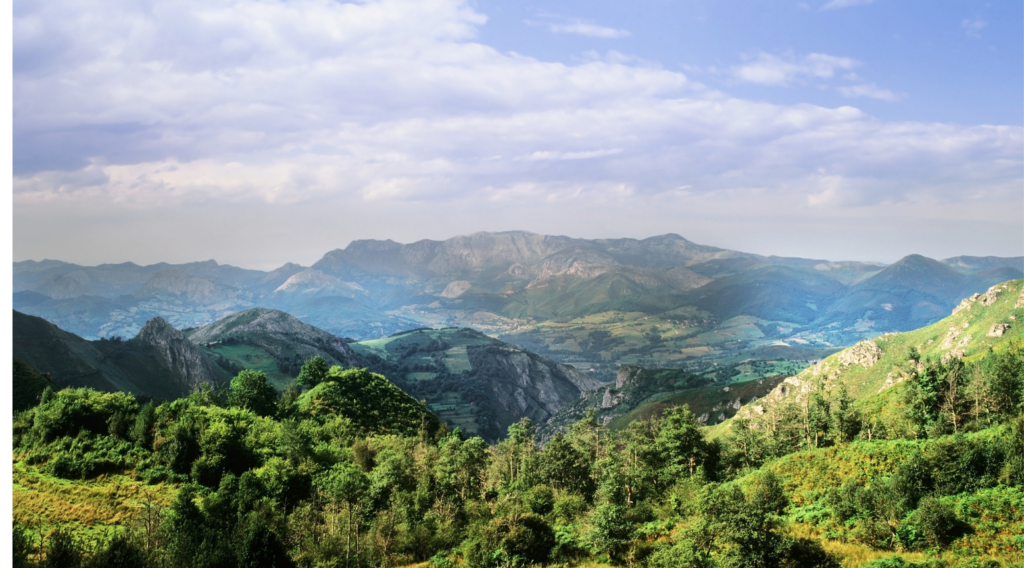
Deciding how many days to spend in Asturias depends on how deeply you want to explore. Travel style matters. A fast trip feels different from a slow one. Asturias is small, but landscapes vary a lot. Moving between coast and mountains often takes more time than expected.
Two or three days give a general sense of the region. This usually means focusing on one area. Many travelers base themselves in Oviedo or Gijón. Time goes to nearby coastal spots and local food. The experience feels rewarding. It still only touches the surface.
With four or five days, the trip feels more balanced. You combine coast and mountains with ease. There is time to visit towns and enjoy outdoor activities. The pace stays relaxed. For many travelers, this length works best for a first visit.
A week or more suits slow travel. Extra days open space for quiet villages and scenic drives. Schedules feel loose. Nature sets the rhythm. If the goal is to disconnect and spend time outdoors, you notice the difference right away.
Best Time to Visit Asturias
The best time to visit Asturias depends on the kind of trip you want. The region has a mild Atlantic climate. Landscapes stay green all year. Extreme heat is rare. Weather can still change quickly in any season.
Late spring and early autumn suit most travelers. May, June, and September offer pleasant conditions. Crowds stay lower. These months work well for hiking, sightseeing, and road trips. You explore the coast and the mountains with less pressure.
Summer fits beach time and festivals. July and August bring energy to coastal towns. Days feel long. Temperatures stay comfortable compared to southern Spain. Crowds increase, and prices rise. Spring feels fresh and quiet, with green hills and open trails. Autumn slows the pace and links closely to food and cider culture.
Winter is the calmest season. It suits city visits and cultural travel. Beaches and long hikes matter less. Rain appears more often. The region shows a slower and more local rhythm.
Asturias works in every season. Choosing the right time helps match the trip to your travel style.
Asturias Travel Tips
Traveling around Asturias is easy. A few practical tips can improve the experience. The region feels less touristy than much of Spain. That adds to its appeal. A flexible plan helps.
Weather matters most. Asturias has an Atlantic climate. Rain can arrive at any time of year. Packing layers makes sense. A light waterproof jacket is essential, even in summer. Walking shoes also help. Many towns have historic streets. Many highlights include short walks in nature.
If you plan to go beyond cities and larger towns, a car works best. Public transport connects urban areas well. Beaches, viewpoints, and rural villages are easier by car. Distances stay short. Mountain roads can wind and slow travel, so extra time helps.
Asturias often feels good value. Prices stay lower than in busy tourist regions. Food portions come generous. Eating in local sidrerías stays affordable. Mealtimes follow Spanish habits. Lunch and dinner start later, especially in the evening.
Most of all, avoid rushing. Asturias favors a slow pace. Time spent on landscapes, food, and daily life often leads to the strongest memories.
Is Asturias Worth Visiting?
Asturias is worth visiting, especially if you value nature, authenticity, and a slow pace. The region stands apart from many Spanish destinations. Wild coastline, dramatic mountains, historic towns, and strong local culture come together in one place.
Asturias suits travelers who enjoy outdoor scenery, road trips, and food-focused travel. You hike in the mountains, explore quiet beaches, and end the day in a traditional sidrería. Crowds stay light. Mass tourism feels distant. The region feels calm and genuine. Landscapes stay green all year. Towns reflect real daily life.
It may not suit those who want constant sunshine, nightlife resorts, or large attractions. Asturias appeals more to travelers who value variety, nature, and cultural depth. Fast sightseeing is not the focus.
For many visitors, Asturias feels rewarding because development stays limited. If you look for scenery, food, and authenticity in a natural setting, the region delivers.
Final Thought
Asturias works best when you take it slow. Coast, mountains, food, and towns sit close together, which makes it easy to combine different experiences in one trip. Travel feels manageable, and days do not need tight schedules to work well.
You can spend the morning outdoors and the afternoon in a town or by the sea. A simple plan often leads to the best results. Instead of focusing on how much you see, the trip feels more complete when you focus on where you spend your time.
Pingback: Asturias Travel Guide: 13 Essential & Amazing Things to Know Before You Go | Rovenect
Pingback: 17 Most Beautiful Towns in Asturias: Coastal and Mountain Gems | Rovenect
Pingback: 6 Best Things to Do in Asturias When It Rains | Rovenect
Pingback: The Best Food in Asturias: Top 10 Dishes | Rovenect