
Introduction
Planning a trip to Hawaii can feel overwhelming, with so many islands and activities to choose from. If it’s your first time, spending a week on Oahu is the perfect way for you to experience Hawaii without feeling rushed.
You’ll have the chance to enjoy world-famous beaches, hike scenic trails, visit historic landmarks, and taste local food influenced by many cultures.
This 7-day Hawaii itinerary is designed to help you balance adventure and relaxation so you can make the most of your time on the island.
Tips
Eat local food
Food is central to the experience of visiting Oahu, and eating like a local will give you a real sense of the island’s culture.
You’ll find traditional Hawaiian dishes such as poke bowls, loco moco, and kalua pork alongside food inspired by Japanese, Filipino, and Portuguese flavours.
Some of the best meals often come from places you might overlook — food trucks on the North Shore, small bakeries selling malasadas, or local lunch spots serving plate lunches.
By stepping outside the tourist-only dining scene, you’ll discover the everyday food culture that residents enjoy and gain a deeper connection to the island.
Make restaurant reservations in advance
Dining is a big part of Oahu’s appeal, and many of the island’s well-known restaurants can fill up days or even weeks ahead, particularly in Waikiki and Honolulu.
If you’ve got a few must-try places in mind, book a table before you arrive to avoid disappointment.
Even smaller spots can get crowded during peak travel months. Planning ahead frees you from the stress of waiting in long lines and gives you more time to actually enjoy your evenings.
You can still keep some flexibility for spontaneous meals, but locking in a few reservations will make your trip smoother.
Support as many local businesses as possible
Beyond food, you’ll find countless opportunities to support the local community during your stay.
Choose locally owned shops when picking up souvenirs, try tours operated by residents who know the island best, and visit farmers’ markets where you can sample fresh produce and handmade products.
These choices not only make your experience more authentic, but they also ensure that your money directly benefits the people who live here.
Supporting local businesses helps preserve Hawaiian culture and traditions, making your trip more than just a holiday — it becomes part of sustaining the island’s future.
Where to Stay
Waikiki
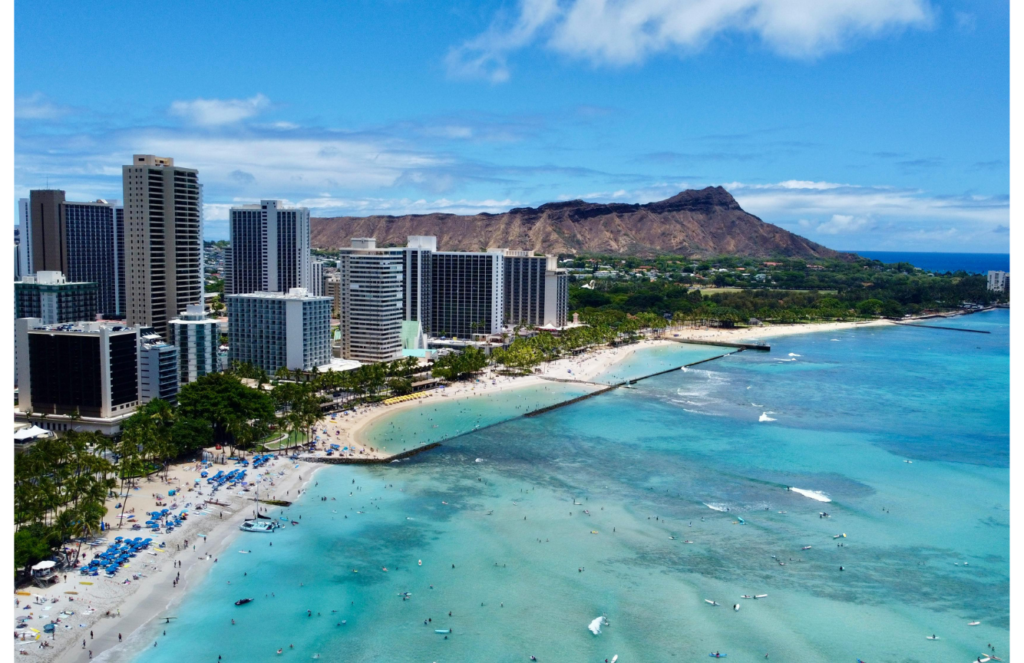
Waikiki is the most popular area for visitors to Oahu, and for good reason. It’s right on the beach, with plenty of hotels ranging from budget-friendly to luxury.
Staying here gives you easy access to shops, cafés, and restaurants, as well as attractions like Diamond Head and Honolulu Zoo.
The area is busy and energetic, which makes it great if you like having everything within walking distance. Keep in mind that it can feel crowded, but for first-time visitors it offers convenience and variety that’s hard to beat.
North Shore
If you’d rather trade city life for something quieter, the North Shore is the place to be. Known for its surf culture and relaxed pace, it’s ideal if you want to slow down and enjoy the natural beauty of Oahu.
You’ll find stunning beaches, famous surf spots, and food trucks serving local favourites. Accommodation is more limited here — mostly smaller inns, vacation rentals, and a few resorts — so you’ll need to book early.
It’s not as walkable as Waikiki, but if you’re after a more authentic, laid-back experience, the North Shore is a great choice.
Ko Olina
Ko Olina is perfect if you’re looking for a resort-style holiday. The area has calm lagoons that are safe for swimming, large resorts with pools and spas, and activities that make it especially appealing for families.
It’s less crowded than Waikiki and has more of a self-contained feel, so you can spend most of your time within the resort if you want.
While you’ll need to drive to reach attractions in other parts of the island, Ko Olina works well if comfort and convenience are your priorities

Transportation on the Island
TheBus
Oahu’s public bus system, known as TheBus, covers most of the island, including Waikiki, Pearl Harbor, and even the North Shore. It’s reliable and budget-friendly, making it a good choice if you don’t mind slower travel times.
However, buses can take longer than driving, and schedules may not always fit well with a packed itinerary.
If you’re staying mainly in Waikiki and want to save money, TheBus is a practical option, but it’s less convenient if you plan to do a lot of exploring.
Renting a Car
For the most flexibility, renting a car is the best option. It allows you to explore the island at your own pace, from sunrise hikes at Diamond Head to full-day trips up to the North Shore.
Parking in Waikiki can be pricey and traffic around Honolulu can get heavy, but outside the city driving is straightforward.
If your itinerary involves beaches, hiking trails, or multiple day trips, a rental car will save you time and give you the freedom to go where buses don’t easily reach.
Ride-Sharing Services
Uber and Lyft are widely available in Honolulu and Waikiki, making them a convenient choice if you’re not driving. They’re great for short trips, like getting to restaurants or attractions nearby.
However, availability drops off the further you go from the city, and costs can add up quickly if you rely on them for longer distances.
Ride-shares work best if you’re staying in Waikiki and don’t plan to travel far, or if you only need the occasional ride while using other transportation methods.
Travelling with Kids and Families
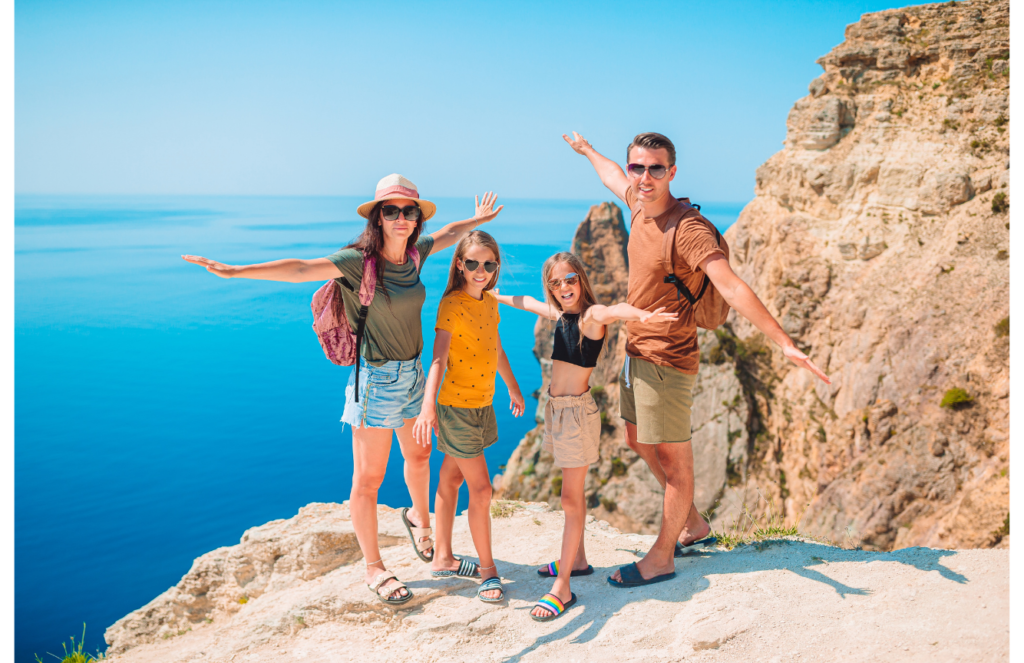
Oahu is one of the most family-friendly islands in Hawaii, with activities and attractions that work well for all ages. If you’re travelling with kids, you’ll find plenty of options to keep them engaged without overloading your schedule.
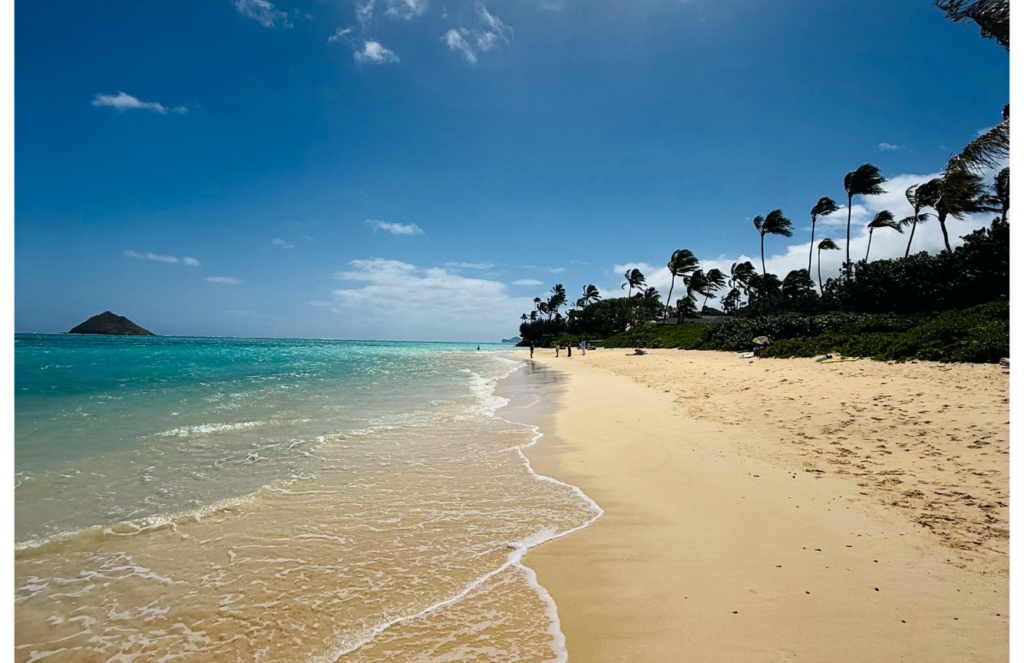
For beach time, look for spots with calm water like the lagoons at Ko Olina or Kailua Beach, where younger children can swim safely. Waikiki Beach also has gentle waves that are ideal for beginner surfers or kids just learning to boogie board.
Family activities go beyond the beach. A visit to the Honolulu Zoo or the Waikiki Aquarium can make for a fun, low-key morning.
Older kids might enjoy a day at the Polynesian Cultural Center, which combines cultural shows, hands-on activities, and evening performances.
If your family enjoys the outdoors, hikes like Manoa Falls or Makapu‘u Lighthouse Trail are manageable for most children and offer rewarding views.
Accommodation also plays a role when travelling as a family. Many resorts in Waikiki and Ko Olina offer kids’ clubs, family pools, and easy beach access.
Having these amenities on hand makes it easier to balance relaxation with activities.
Travelling with kids on Oahu is about keeping a balance — mixing structured activities with plenty of downtime so everyone can enjoy the island without feeling rushed.
Best Time to Visit
Oahu is a year-round destination, but the experience changes depending on the season.
Spring (April to June):
This is one of the best times to visit. The weather is warm, crowds are lighter than in summer, and hotel rates are often lower. It’s a good balance of value and comfort.
Summer (July to August):
Expect higher prices and bigger crowds, especially in Waikiki, since this is peak travel season. The weather is hot and dry, which makes it perfect for beach days, but you’ll want to book accommodation and activities well in advance.
Fall (September to November):
Another excellent time to travel, with pleasant weather and fewer tourists. It’s also when the famous big waves begin to return to the North Shore, which is exciting to watch even if you’re not surfing.
Winter (December to March):
This is the busiest season due to holidays and travellers escaping colder climates. Prices are at their highest, but winter is also the season for whale watching and seeing professional surf competitions on the North Shore.
Overall, the shoulder seasons — spring and fall — tend to give you the best mix of good weather, manageable crowds, and reasonable prices.
Budget Considerations
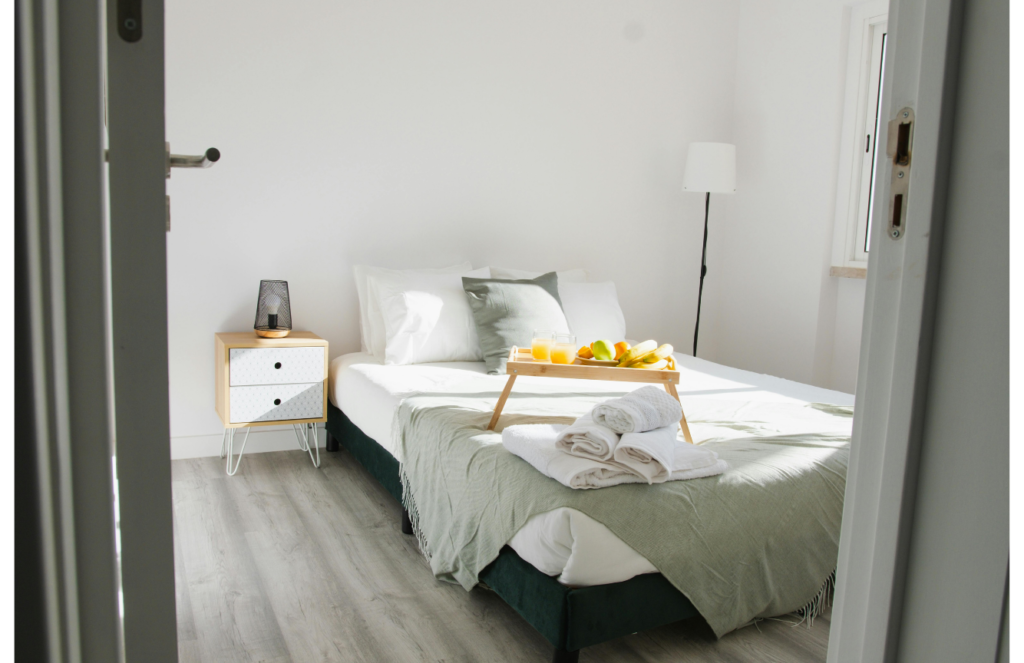
Accommodation
Tends to be the biggest expense. Hotels in Waikiki often charge higher rates, especially during peak seasons, and resort areas like Ko Olina can add extra costs for amenities. If you’re looking to save, consider smaller inns, vacation rentals, or staying outside Waikiki, though you’ll need a car to get around.
Estimation cost : 96-600$
Food costs
Sit-down restaurants in Waikiki and Honolulu can be pricey, while local food trucks, plate lunches, and farmers’ markets give you a more affordable way to eat well.
Mixing casual meals with a few planned dinners at popular restaurants is a good way to balance your spending.
Estimation cost : 50-100$
Transportation
Renting a car gives you flexibility but comes with daily fees, parking charges, and fuel costs. Public buses are the cheapest option, while ride-shares fall somewhere in between depending on how often you use them.
Estimation cost for TheBus : 7.50$
Estimation cost for rental car : 25-50$
Activities
Many of Oahu’s highlights are free or low-cost, such as hiking trails, scenic drives, and public beaches.
Paid experiences — like luaus, cultural centres, or guided tours — can add up quickly, so it’s worth deciding which ones matter most to you.
Estimation cost : 25-350$ per activities
Total Per Person Each Day
Estimation cost : 1.100$-7,700$
Overall, Oahu can be as affordable or as expensive as you make it.
By mixing free activities with a few memorable splurges and balancing meals between casual spots and restaurants, you can manage costs without missing out on the island’s highlights.
Must-Try Food
Must-Try Food in Hawaii
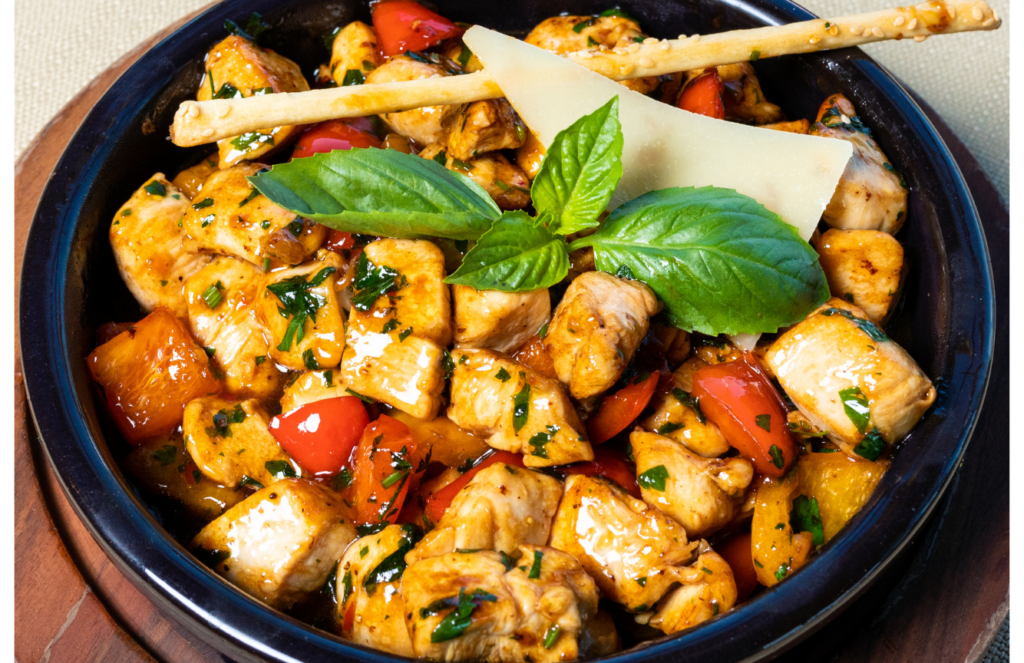
Food is a big part of the Hawaiian experience, and Oahu is one of the best places to sample both traditional dishes and modern island favourites. Here are some must-try foods to add to your list:
Traditional Hawaiian Dishes
- Kalua Pig: Slow-cooked in an underground oven called an imu, this shredded pork dish is smoky, tender, and often served at luaus.
- Lau Lau: Pork, fish, or chicken wrapped in taro leaves and steamed until soft and flavourful.
- Poi: A staple made from mashed taro root, with a smooth, starchy texture. It’s often eaten alongside richer dishes like pork.
- Poke: Fresh cubes of raw fish, usually ahi tuna, marinated with soy sauce, sesame oil, and seaweed. You’ll find poke everywhere, from casual markets to dedicated poke shops.
- Lomi-lomi Salmon: A refreshing side dish made of salted salmon mixed with tomatoes and onions, often served chilled.
Local Plate Lunch & Comfort Foods
- Huli Huli Chicken: Grilled chicken marinated in a sweet and savoury sauce, often served with rice and macaroni salad.
- Saimin: A noodle soup influenced by Japanese ramen, Chinese mein, and Filipino pancit — uniquely Hawaiian comfort food.
- Spam Musubi: A block of rice topped with grilled Spam and wrapped in seaweed — simple, filling, and beloved across the islands.
- Pork Guisantes: A tomato-based Filipino pork and pea stew that reflects Hawaii’s multicultural roots.
- Pastele Stew: A Puerto Rican-inspired dish made with pork, olives, and spices — hearty and flavourful.
Desserts & Sweet Treats
- Malasadas: Portuguese-style doughnuts rolled in sugar, with or without fillings. Leonard’s Bakery in Honolulu is the most famous spot to try them.
- Hawaiian Shave Ice: Finely shaved ice topped with syrups and often condensed milk. Matsumoto’s, Waiola, and Island Vintage are local favourites.
- Haupia: A coconut milk pudding, often served in squares at traditional meals.
- Chocolate Haupia Pie or Sweet Potato Haupia Pie: A modern twist on the classic, combining haupia with pie crust and sweet fillings.
- Acai Bowls, Guava Pancakes, and Tropical Fruit Desserts: Perfect for breakfast or a light treat, showcasing the island’s fresh fruit like mango, pineapple, and guava.
Trying these dishes gives you a taste of Hawaii’s cultural mix — Polynesian, Asian, Portuguese, and more — all blended into the island’s food scene.
What to Pack
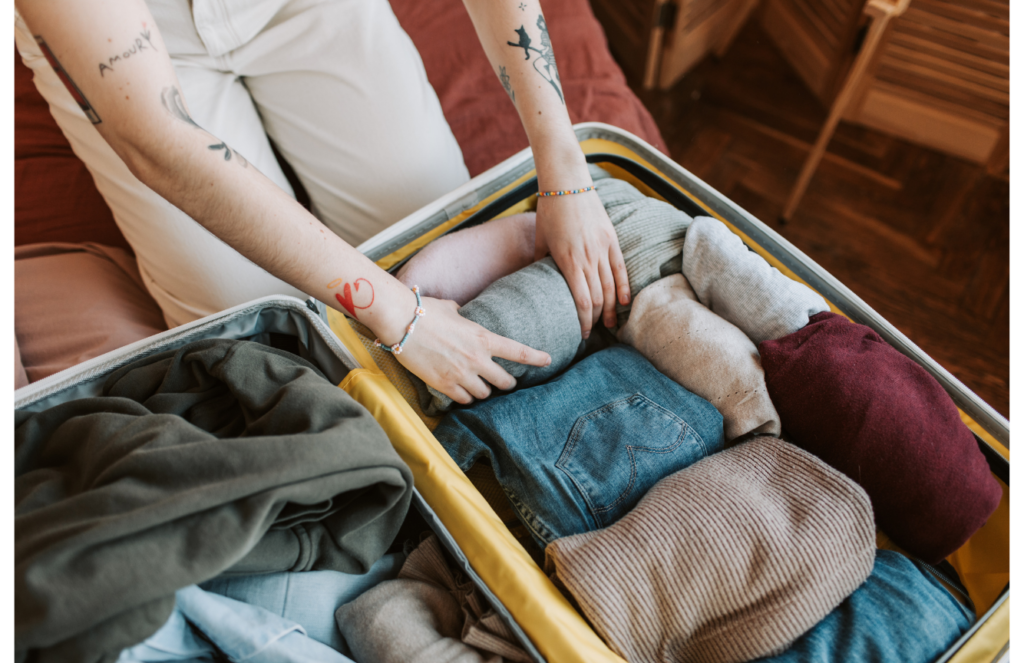
DO NOT OVER PACK! It’s tempting to bring too much, but you’ll likely spend most of your time in casual clothes and swimwear. Keep it simple — lightweight outfits, swimsuits, and sandals are all you really need for beach days.
For hiking, bring a pair of trainers or sturdy shoes, and don’t forget reef-safe sunscreen, a reusable water bottle, and a hat for sun protection.
If you’re interested in snorkelling, you can rent gear easily on the island, but packing your own mask and fins can be more comfortable. A light jacket or sweater is also useful for cooler evenings or windy days, especially in winter months.
To help you plan smarter, I’ve put together a full guide, which goes into detail about clothing, beach gear, and practical extras that will save space in your bag.
What’s Included in This Itinerary
This 7-day Oahu itinerary is designed to give you a balanced mix of experiences so you don’t feel rushed while still seeing the island’s highlights. Here’s what you’ll find included:
- Beaches: Waikiki, Kailua, Lanikai, and the famous North Shore spots.
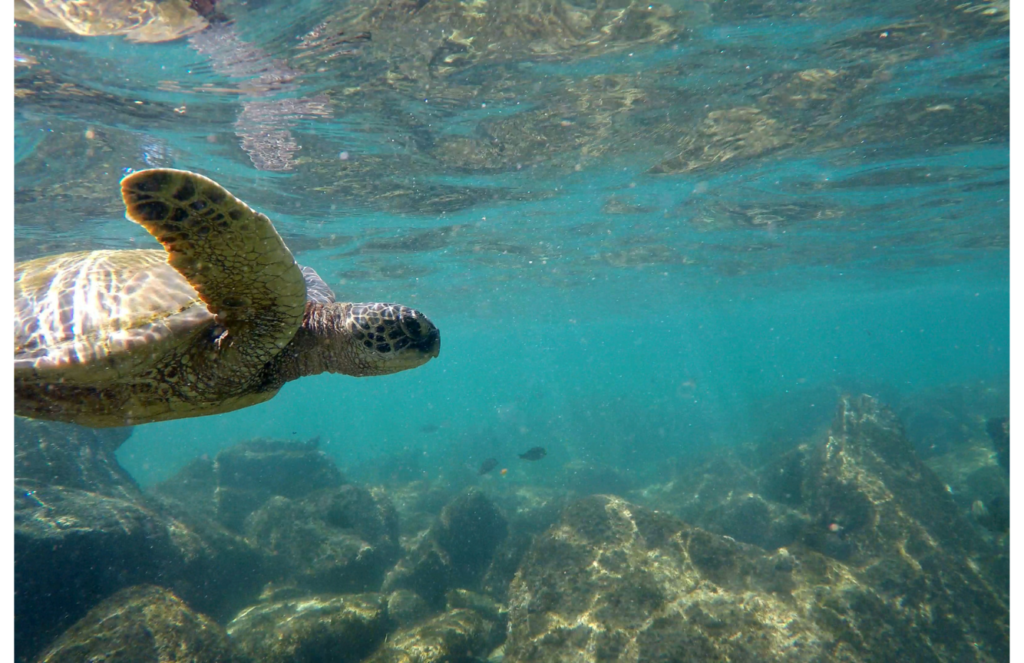
- Outdoor activities: Hiking Diamond Head, snorkelling at Hanauma Bay, and scenic drives along the east coast.
- Cultural experiences: Pearl Harbor, ʻIolani Palace, Bishop Museum, Polynesian Cultural Center, and a traditional luau.
- Local flavour: Must-try Hawaiian dishes, food trucks, and iconic spots for malasadas and shave ice.
- Relaxation time: Space in the itinerary for beach mornings, shopping, or simply enjoying the slower pace of island life.
- Family-friendly options: Gentle beaches, cultural shows, and attractions like the Honolulu Zoo or Waikiki Aquarium.
The goal is to give you variety without overloading your schedule — a balance of history, nature, food, and culture that makes Oahu such a special place.
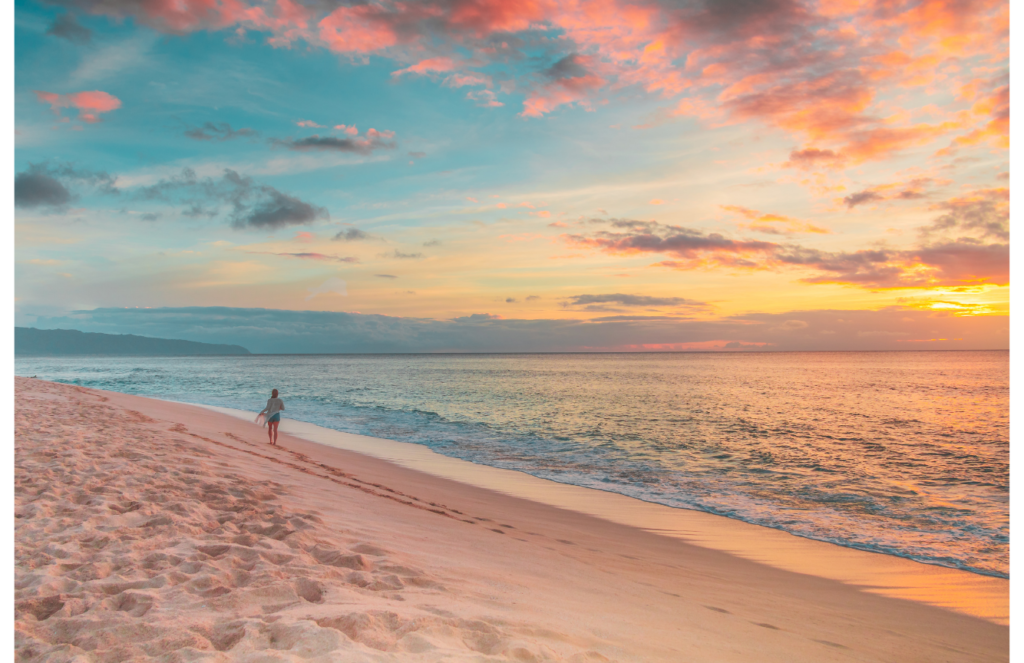
Hawaii Itinerary: 7 Days
Day 1
Morning
Arrive in Honolulu and settle into your accommodation. Depending on your flight time, use the morning to check in, drop your bags, and take a short walk around your area to get familiar with the surroundings.
If you’re staying in Waikiki, you’ll immediately notice the energy of the neighbourhood and the easy access to the beach
Afternoon
Head to Waikiki Beach for your first taste of island life. Spend a few hours swimming, relaxing on the sand, or renting a surfboard if you want to try catching some small waves.
This is a good time to keep things easy — you don’t want to pack too much into your first day after a long flight.
Evening
Watch the sunset from Waikiki Beach or from one of the beachside bars.
For dinner, try a local favourite like garlic shrimp or poke bowls to ease into the island’s food culture. If you still have energy, take a walk down Kalākaua Avenue, where you’ll find shops, street performers, and plenty of places to grab dessert — like a classic Hawaiian shave ice.
Day 2
Morning
Start your day with a visit to Pearl Harbor National Memorial. Arriving early helps you avoid crowds and gives you enough time to see key sites like the USS Arizona Memorial and the Battleship Missouri.
It’s a moving experience that gives you a deeper understanding of Hawaii’s role in history.
Afternoon
After Pearl Harbor, grab lunch back in Honolulu, then head to Diamond Head State Monument. The hike to the summit is moderately challenging but short, and the views over Waikiki and the Pacific are worth the effort.
Make sure to bring water, sunscreen, and comfortable shoes.
Evening
Wind down with dinner in Waikiki. You could try a sit-down restaurant for fresh seafood or keep it casual with a local food truck.
After dinner, consider a stroll along the beach or a sunset cocktail — the perfect way to end your first full day on the island.
Day 3
Morning
Set out early and drive to the North Shore, about an hour from Waikiki.
On the way, stop at the Dole Plantation for a quick visit and a taste of their famous pineapple whip. Once you reach the North Shore, head to beaches like Waimea Bay or Sunset Beach.
In summer, the water is calm and perfect for swimming; in winter, you’ll see massive waves and professional surfers in action.
Afternoon
Grab lunch from one of the North Shore’s iconic shrimp trucks — Giovanni’s is the most famous, but there are plenty of other great spots. After lunch, stop by Haleʻiwa Town, a laid-back area with surf shops, boutiques, and shave ice stands.
If you’re in the mood for something active, consider visiting Waimea Valley, where an easy walk through botanical gardens leads to a waterfall you can swim in.
Evening
Head back toward Waikiki in the evening, stopping along the way for sunset views at Shark’s Cove or Laniakea Beach (where you might spot sea turtles).
Back in Waikiki, enjoy a relaxed dinner — maybe keep it casual after the long day of exploring.
Day 4
Morning
Start the day at Hanauma Bay Nature Preserve, one of the best places on Oahu for snorkelling. Arrive early since daily visitor numbers are limited and parking fills up quickly.
The clear waters and coral reef make it an ideal spot to see colourful fish and marine life up close. Remember to bring reef-safe sunscreen and book your reservation in advance.
Afternoon
After snorkelling, continue along the scenic Kalanianaʻole Highway on Oahu’s east coast. Stop at viewpoints like Halona Blowhole and Makapuʻu Point Lighthouse Trail for sweeping ocean views.
If you’re up for something active, the Makapuʻu hike is short and offers an incredible lookout over the coastline. For a late lunch, head to nearby Kailua or Waimānalo, both known for their stunning beaches and local eateries.
Evening
Return to Waikiki for the evening. You could have a relaxed dinner at a local restaurant or try something different like a Hawaiian luau, which usually includes traditional food, music, and dance performances.
A luau is a fun way to experience Hawaiian culture while winding down after a day of outdoor adventures.
Day 5
Morning
Begin the day at Kualoa Ranch, a scenic area known for its lush valleys and dramatic mountain backdrop.
You can join a tour to see filming locations from movies like Jurassic Park, ride ATVs through the trails, or take a boat trip to Secret Island Beach.
It’s a mix of adventure and sightseeing that gives you a different perspective on Oahu.
Afternoon
Head to the Polynesian Cultural Center in Lāʻie. Spend the afternoon exploring the different cultural villages that showcase traditions from Hawaii, Samoa, Tonga, and other Polynesian islands.
There are hands-on activities, performances, and interactive experiences that make it engaging for both adults and kids.
Evening
Stay at the Polynesian Cultural Center into the evening for their night show, which features music, dance, and fire-knife performances. You can also book the buffet dinner or luau experience for a complete evening program.
Afterward, drive back to Waikiki — it’s about an hour, so expect a later return.
Day 6
Morning
Take it slow with a relaxed breakfast, then spend your morning at Kailua Beach or Lanikai Beach, both famous for soft white sand and calm turquoise waters.
These beaches are less crowded than Waikiki and perfect for swimming, kayaking, or just enjoying a laid-back morning.
Afternoon
Head back toward Honolulu and explore the Bishop Museum or ʻIolani Palace if you’re interested in Hawaiian history and culture.
If you’d prefer to shop, the Ala Moana Center is one of the largest open-air malls in the world, offering everything from luxury brands to local boutiques.
It’s also a good spot for lunch, with plenty of dining option
Evening
Spend your last evening in Waikiki enjoying the beach at sunset. You could book a sunset catamaran sail for incredible views of the coastline, or stay on land and enjoy a relaxed dinner with a final taste of island favourites.
To finish the night, treat yourself to a Hawaiian shave ice or malasada for dessert.
Day 7
Morning
Enjoy a slow start with breakfast at a local café — acai bowls, guava pancakes, or fresh tropical fruit are a great way to end your week.
If you have time, take a final walk along Waikiki Beach or pick up a few last-minute souvenirs from local shops.
Afternoon
Depending on your flight schedule, you could squeeze in a relaxed activity like visiting a nearby farmers’ market, enjoying pool time at your hotel, or simply soaking up the sun one last time.
Keep this part of the day flexible so you’re not rushing.
Evening
Prepare for your departure. If your flight is later in the evening, consider an early dinner before heading to the airport — maybe one final poke bowl or plate lunch to round out your Hawaii food experience.
Leave plenty of time to get to the airport, as traffic can be heavy.
Final Thoughts
One week in Oahu gives you just the right amount of time to experience Hawaii’s mix of beaches, history, food, and culture.
From snorkelling in Hanauma Bay and hiking Diamond Head to tasting poke bowls and watching surfers on the North Shore, each day offers something different without feeling overwhelming.
This 7-day itinerary is meant to balance adventure with downtime so you leave the island refreshed, not exhausted.
Of course, there’s always more to see and do, but by the time you fly home, you’ll have had a well-rounded taste of Hawaii — and maybe even started planning your next visit.
One week in O‘ahu gives you a great introduction to Hawaii. If you’re already thinking about coming back and want to see how O‘ahu compares to the other islands, check out my guide on which Hawaiian island is best. It’ll help you decide where to head next.
Pingback: Packing List for Hawaii: Travel Essentials, Tips, and Free PDF Guide | Rovenect
Pingback: Which Hawaii Island Is Best for First-Time Visitors? | Rovenect