
Introduction
Watching the sunset, hiking through a rainforest trail, or swimming with sea turtles — you can do it all in Maui. This diverse island has everything: beautiful beaches, waterfalls, volcanic landscapes, and rich local culture.
You won’t ever need to worry about running out of things to do here.
In this post, I’ll share what to do in Maui — from popular spots like Haleakalā National Park and the Road to Hana to local favorites like Wailea Beach and Upcountry Maui.
I’ve also divided the activities into categories — whether you’re looking for adventure, local food, or pure relaxation, everything is covered.
Top Things to Do in Maui
Nature & Adventure
Road to Hana
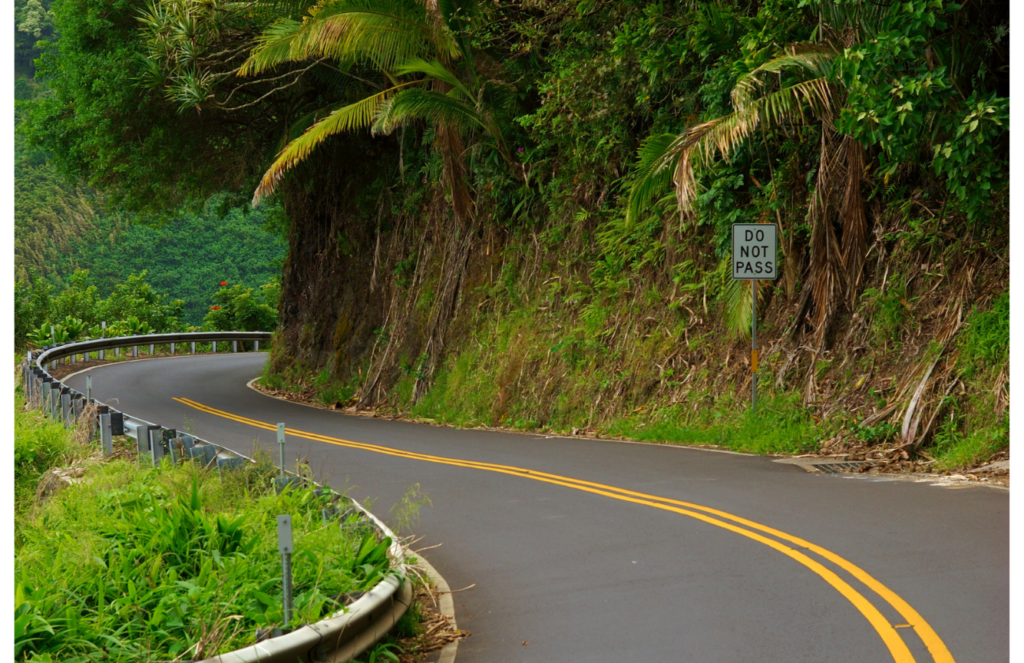
Road to Hana is one of the must-visit destinations while in Maui. A road that stretches 64 miles and connects Kahului to Hana. While driving on this road, you will see multiple landmarks along the way.
The goal of this trip isn’t to reach the destination but rather what you experience along the road.
If you are tired while driving, along the way, you will find delicious banana bread, fresh food, and organic chocolate from the local producers.
In order to get a full experience from this, go in the morning. Drive slowly, pull over often, take your time, and enjoy the view. Don’t rush! Or you will miss out on a memorable experience.
Haleakalā National Park
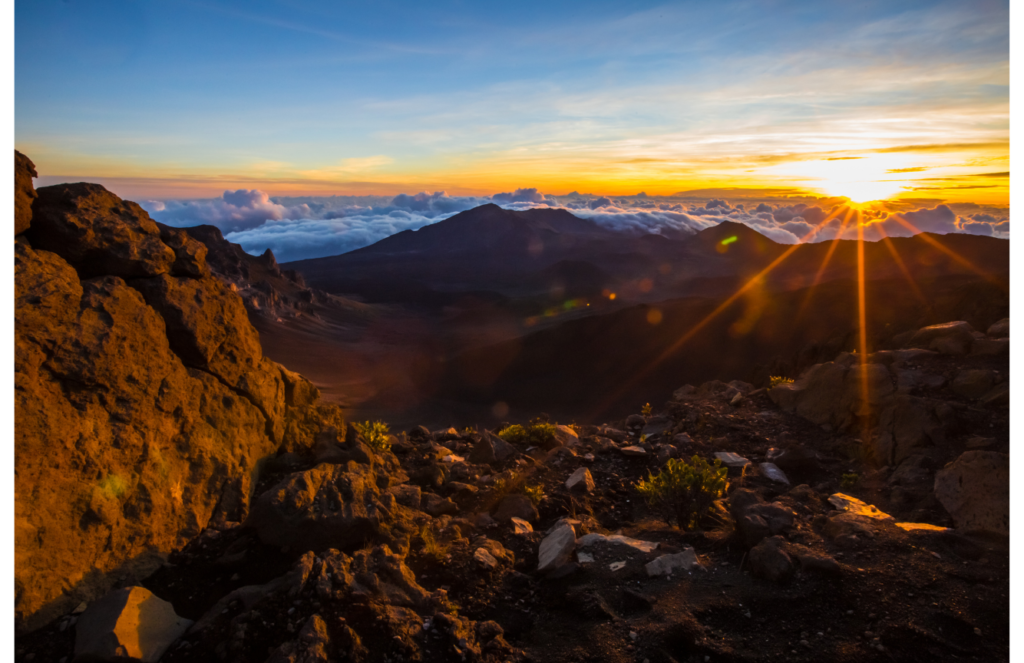
Sitting 10,000 feet above sea level, Haleakalā National Park offers an unforgettable sunset view. Since this is a popular activity, you need a reservation due to limited parking at the summit.
If you prefer a quieter setting, you can visit later in the day and still enjoy the crater’s beautiful landscapes.
There’s also more to do in this park, like hiking trails ranging from short walks to longer treks into the volcanic terrain. You should wear warm clothes and bring sturdy shoes since the temperatures at the top are close to freezing.
The summit area of the park gives beautiful views, while on the coastal side, the Kīpahulu District features lush trails and waterfalls.
ʻĪao Valley State Park
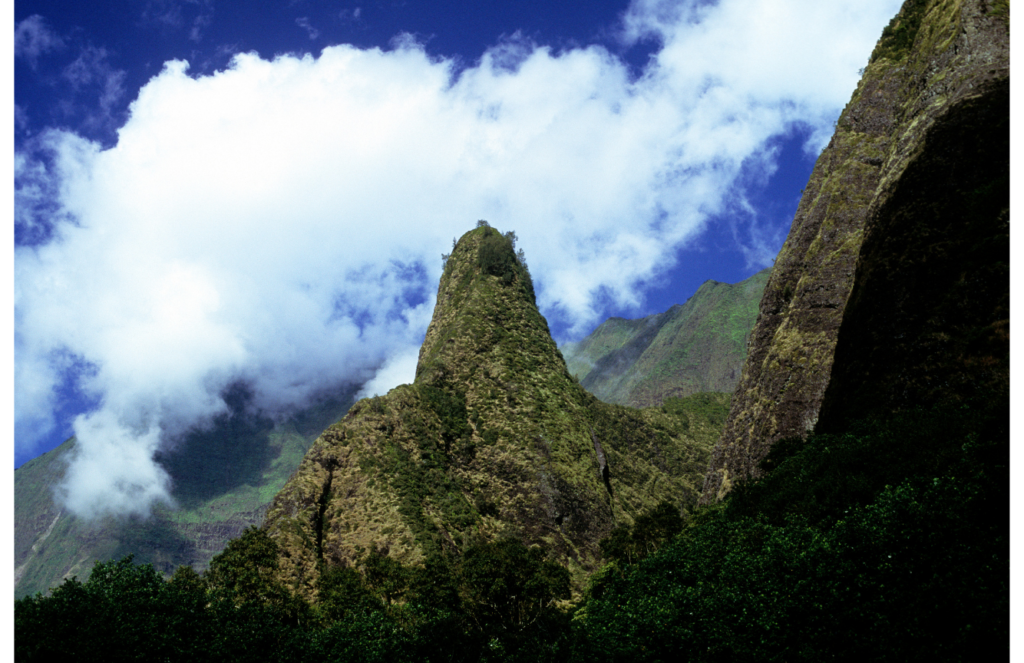
A park filled with greenery, tropical plants, and mountain scenery, it is also home to the Iao Needle — a 1,200-foot rock spire and one of Maui’s most recognisable landmarks. The valley also holds historical importance as the site of a major battle in Hawaiian history, giving you a glimpse of both nature and culture.
If you’re staying in Central or West Maui, this destination is close by. It’s best to visit in the morning, as it’s often less crowded early in the day. Everyone can enjoy this park since it includes paved paths and short walking trails.
Twin Falls Hike
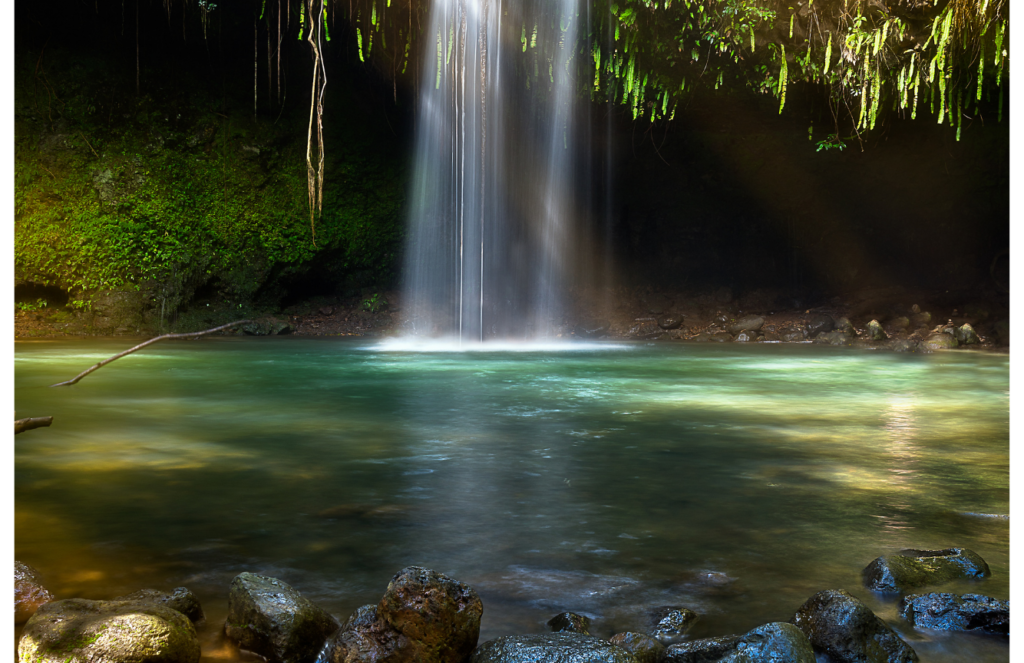
A first major stop on the Road to Hana. The hike is short and manageable for everyone and will lead to a series of small pools and cascades. Twin Falls will give you a glimpse of Maui waterfalls. During rainfall, the flow is strong, while in drier months the pools are calmer and also suitable for swimming.
At the entrance, there is a parking lot and also a local fruit stand that sells fresh coconut, sugarcane juice, and snacks. This is a good stop to combine with other early attractions on the Road. Visit this place if you want a quick break before the longer stretches of the drive.
West Maui Forest Reserve
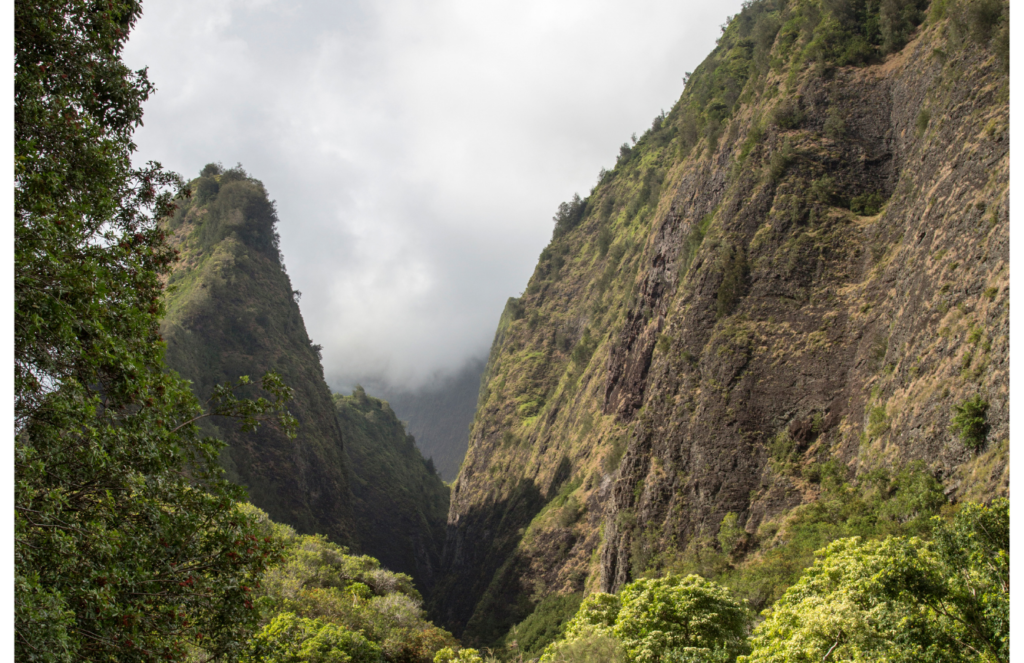
One of the less visited natural areas of the island, the West Maui Forest Reserve features a dense forest, rugged terrain, and a viewpoint that overlooks both the north and south shores. It covers a vast portion of the island’s interior mountain.
A perfect place for you if you are hikers and nature enthusiasts. A literal paradise. When hiking, you will walk past serene waterfalls, pools, towering trees, and local flora. If you take the Waihee Ridge Trail, you will end up on the ridgeline of the West Maui Mountains that offer a view of the lush valley, Makamakaole Falls, and the ocean.
🐠 Beaches & Water Activities
Wailea Beach
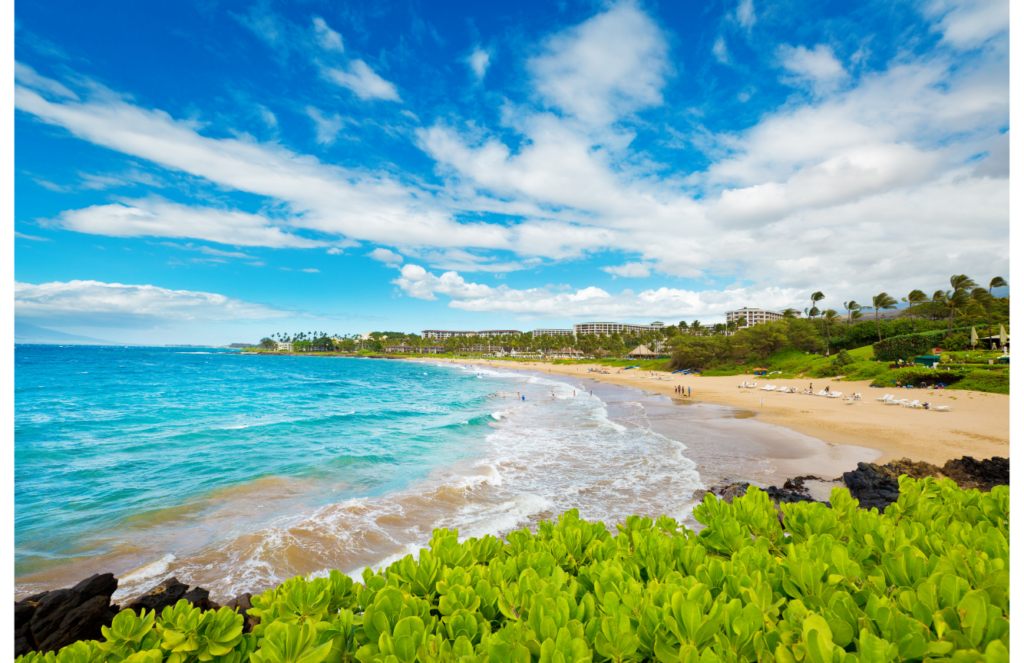
One of the island’s most beautiful beaches, located on the south shore of Maui. Known for its golden sand, clear turquoise water, and gentle waves, it’s an ideal place for swimming and snorkelling.
Especially at the rocky end of the beach where coral and fish thrive. You can also paddleboard, kayak, or simply relax and watch for sea turtles. During the winter months, you might even spot humpback whales breaching offshore.
The beach is surrounded by palm trees and beautifully landscaped paths connecting world-class hotels like the Four Seasons Resort Maui, Grand Wailea, and other resorts and restaurants.
You should go early since the parking lot can fill up very quickly because it’s a tourist spot.
Molokini Crater Snorkelling
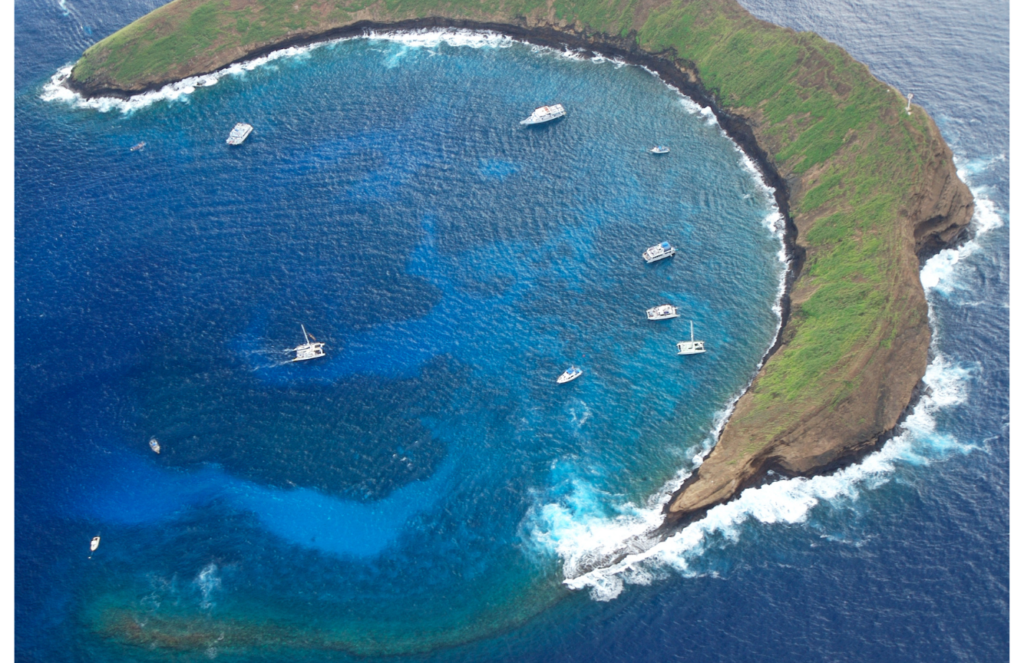
About 3 miles off Maui’s southwest coast, near Wailea and Makena, you will find Molokini Crater — a crescent-shaped volcanic crater that is both a protected marine sanctuary and seabird sanctuary, and one of the best snorkelling spots in Hawaii. Why?
You will find some of the clearest water here, with visibility reaching up to 150 feet. The crater is also home to a variety of fish — over 250 species — many of which you won’t find anywhere else.
Here, you will often see parrotfish, butterflyfish, triggerfish, and sometimes sea turtles. Lastly, because of its crescent shape, the inner curve is sheltered from waves and currents, creating calm waters that make snorkelling and diving easy.
You can’t get here on your own; company tours are required. Trilogy is a great company to go with due to their environmental and safety record.
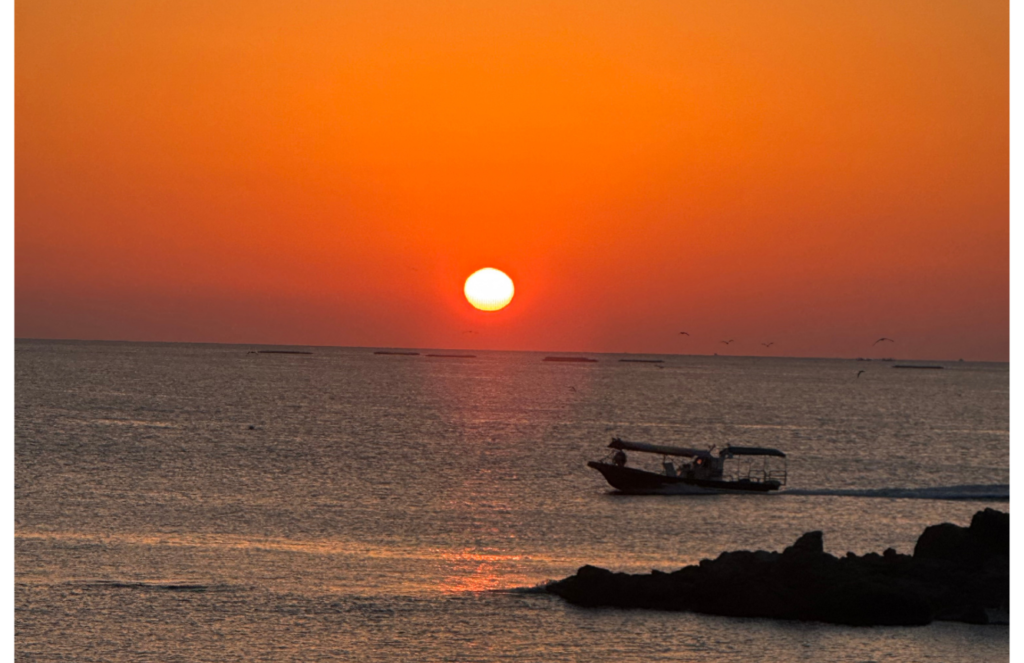
Sunset Sail and Whale-Watching Tours
Watching the sun set over the Pacific is one of the simple pleasures of being in Maui, and a sunset sail offers a quiet way to experience it. Many departures leave from Lahaina or Maʻalaea Harbor and include light food and drinks on board.
Between December and April, these sails often double as whale-watching tours, when humpback whales migrate through the channel between Maui, Molokai, and Lanai.
Whale sightings are common during this season, and the sound of their calls can sometimes be heard underwater while snorkelling or diving nearby.
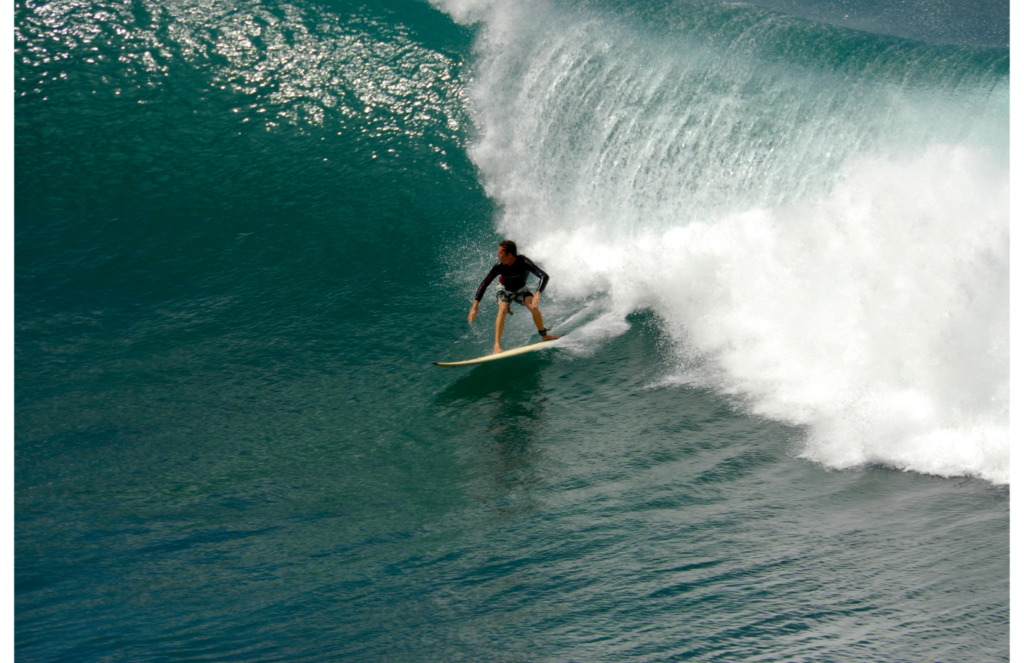
Surfing and Stand-Up Paddleboarding
Surfing and stand-up paddleboarding (SUP) are two of the most popular ways to spend time on the water in Maui. Beginners can take lessons in Kihei, Lahaina, or Kaanapali, where waves are typically smaller and instructors are available year-round.
SUP is a good alternative for calm mornings, letting you glide over the surface and often spot turtles below.
For more experienced surfers, winter brings larger swells to the north shore areas like Ho‘okipa Beach and Honolua Bay, but these spots are better suited for advanced skill levels. Local schools and rental shops provide all the equipment needed, so even first-time visitors can try without much preparation.
🍷 Culture & Local Experiences
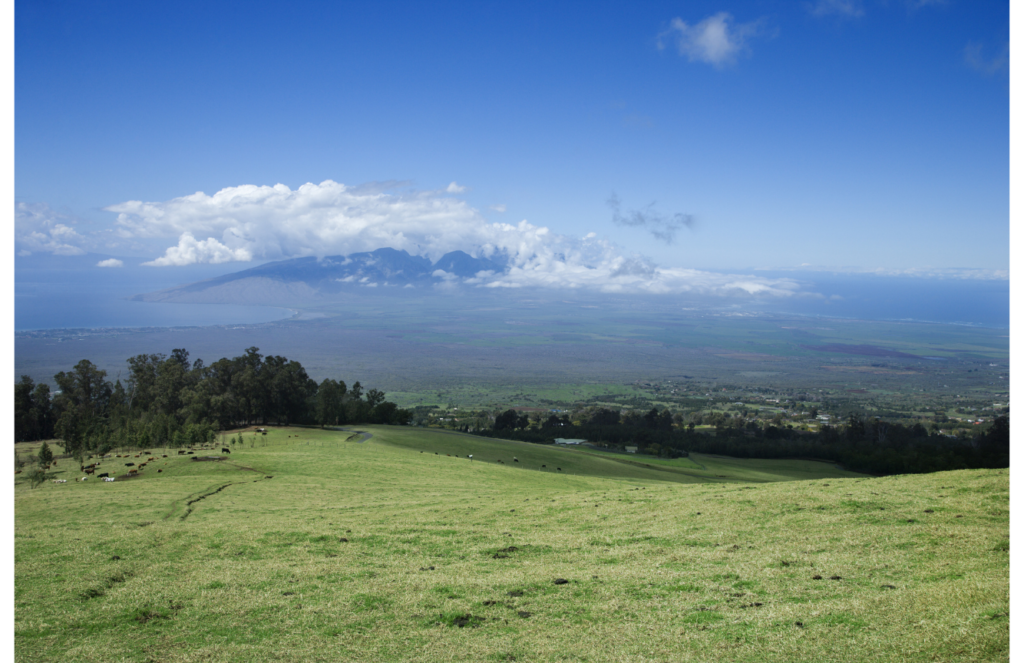
Upcountry Maui
Upcountry Maui differ from other part of the island both geographically and culturally-cooler, greer and more rural compraing to place like Wailea and Lahaina. You will see farm rachches instead of hotels and trafiic.
Makawow, Pukalani, Kula and Ulupalakua make up the Upcountry. These town are small and pecafull and each one is uniqe. Makao is an old cowboy town. Kula is full of farm and garden. ….
Upcountry is home for people that live close to the nature. They make cheese, wine, grow craope and they share them. For example you could visit Ali‘i Kula Lavender Farm and walk through rows of purple flowers. At the Surfing Goat Dairy, you can meet friendly goats and taste local cheeses.
And if you stop by Maui Wine in Ulupalakua, you can try their famous pineapple wine and hear stories about the island’s history.
Upcountry Maui is not about crowd and beaches… More about about space, clean air. It’s the hear of Maui — gentle, green and full of life. A place that you can slow down and enjoy simple things
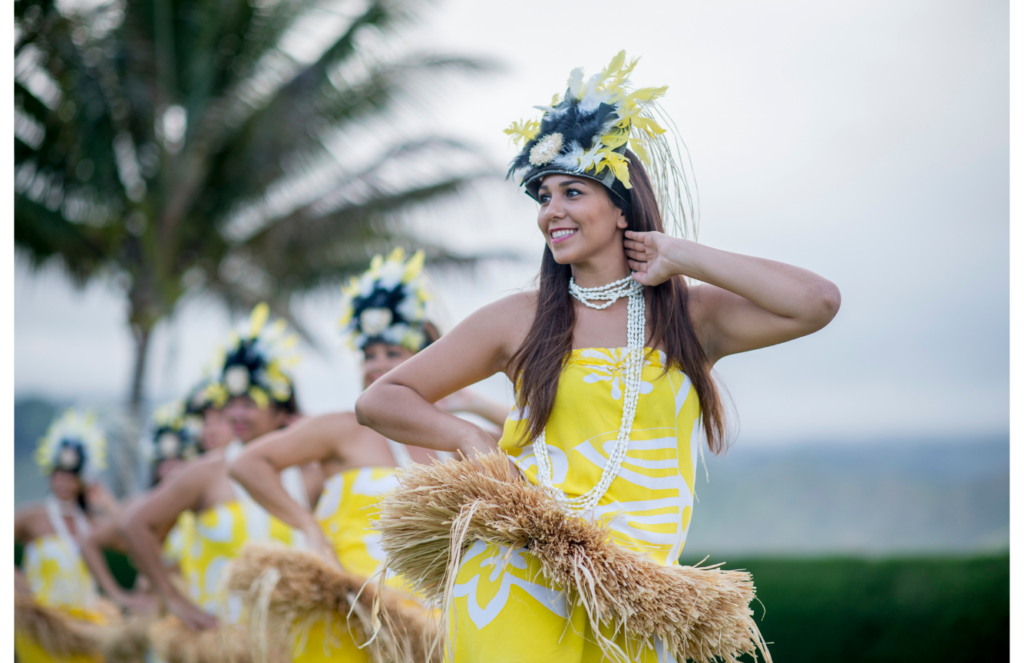
Traditional Luau
Orginally started a way to mark special evens. Like a new baby, good harvest or an important visist…that tradtion still contrinues today. Its a gathere that bring people together to eat dacne and celbrate, it’s a great way to experiece the Hawaiian culture.
The meal is a big part of the night. Most famous dish is kalua pig, which is cooked in an imu, an undergroud oven. You could also try other local food like ,poi, lomi salmon, poke, etc.
After eating come the entertainment. Stories will be tell through movement and song, you will see traditional Hawaiian hula dance and music played on the ukuhele.
Luau is not a show, it’s the feeling of aloha… kindness, connection and repsect. Everyone is welcome, everyone share food, everyone share happiness.
Maui Ocean Center
This is an aquarium showing all the fish, turtles, and corals that live around the island. Inside, there are different areas to explore, with the most popular one being the Open Ocean Tunnel. Here, you walk through a glass tunnel while sharks, rays, and large fish swim around you — a cool experience that gives you the feeling of being underwater.
Exploring other areas, you can also see reef fish, jellyfish, and green sea turtles swimming up close.
In the center, there is a living reef exhibit that shows how coral reefs work and why they are important. You can also learn about how people in Hawaii respect and care for the ocean, which they call kai.
Suitable for all ages — families, couples, and anyone who wants to understand more about Hawaiian ocean life.
Food & Relaxation
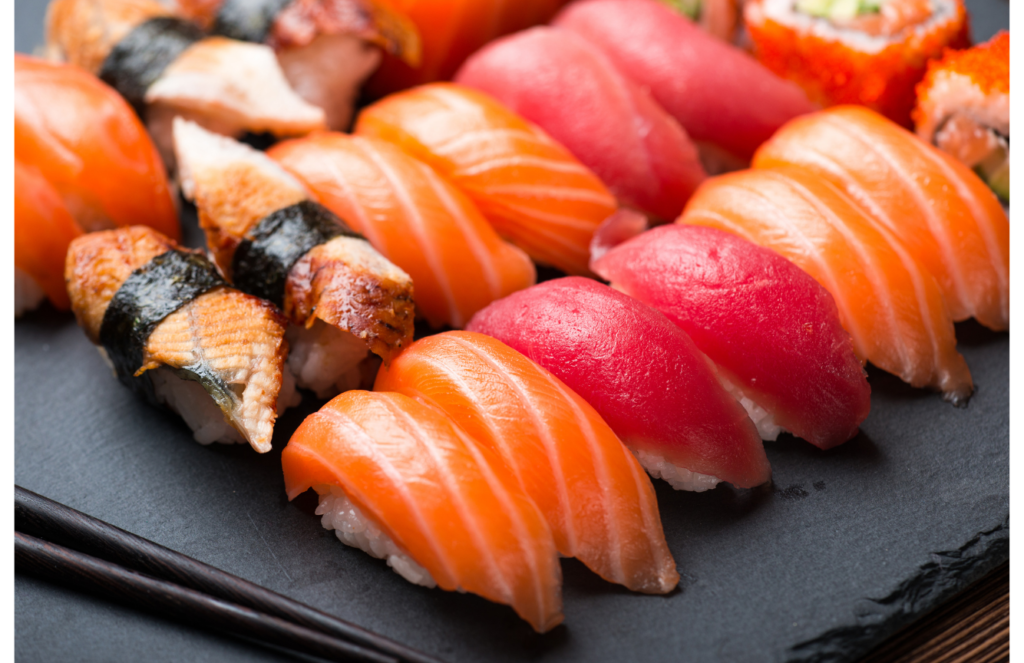
Misophat Sushi
A family-owned restaurant that is known for serving exceptionally fresh sushi. They pick fish daily, so everything tastes clean and flavourful. Their menu offers everything from nigiri and sashimi to creative rolls like the Miso Phat Roll and the TNT Roll.
When eating here, you don’t need to worry about what you wear — this place has a relaxed, local feel. It’s a favourite spot for both locals and tourists. The staff are friendly, and the quality is consistent. If you love sushi, you should definitely visit this spot.
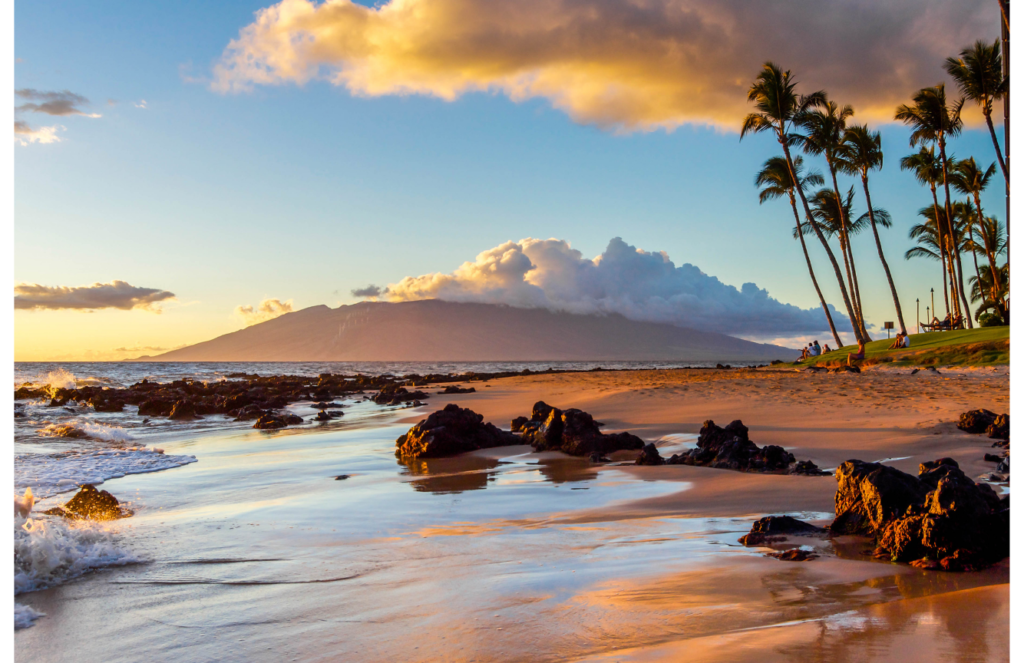
Or just relax…
Visiting Maui isn’t about trying to do as many activities as possible. Taking time to rest, watch the sunset, relax at the beach, or simply enjoy the drive through the countryside is just as rewarding as the more active experiences.
Budget Tips
Travelling in Maui can be expensive, but planning ahead makes it easier to manage costs. Prices for food, accommodation, and activities are higher than on the U.S. mainland, yet there are plenty of ways to experience the island without overspending.
Accommodation
Staying outside major resort areas like Wailea can significantly reduce costs. Kihei and parts of Upcountry Maui offer affordable vacation rentals and small inns that still provide good access to beaches and major attractions. Booking early helps secure better rates, especially during high season from December to April.
Food
Eating at local spots instead of resort restaurants can save a lot. Food trucks, plate lunch cafés, and small takeout stands serve excellent meals at lower prices. Supermarkets such as Foodland or Safeway are good for picking up groceries, snacks, and pre-made meals. For breakfast, many travellers buy local fruit or bakery items and eat on the go.
Transportation
A rental car is almost essential in Maui, as public transport is limited and taxis are expensive. Booking through local agencies instead of large international companies can sometimes be cheaper.
Fuel prices are higher than average, so grouping activities by region (for example, spending one day in Upcountry and another in West Maui) helps minimise driving.
Activities
Many of Maui’s best experiences are free. Beaches, hiking trails, scenic drives, and local markets cost little to nothing. Paid excursions like snorkelling trips or luaus can be worth it, but it’s smart to choose one or two rather than booking several in a week.
Visitors can also bring their own snorkelling gear or rent it by the day for a fraction of the cost of a guided tour.
General Tips
- Visit during shoulder seasons (April–May and September–October) when accommodation prices drop.
- Use reusable bottles and grocery bags to avoid extra charges and reduce waste.
- Parking at popular beaches fills up quickly, so arriving early can save both time and frustration.
Budget: About 4000$ for 1 week
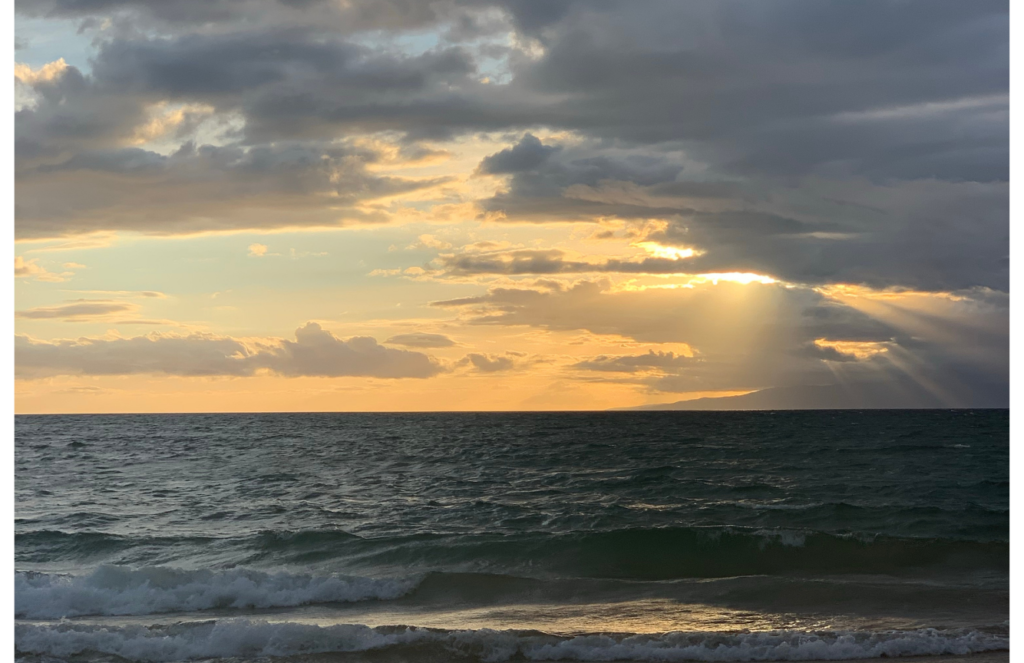
Where to Stay
Maui has accommodation options for every budget and travel style. Wailea is best known for its high-end resorts and calm beaches, while Kihei offers a more affordable, central base close to local restaurants and shops. Those looking for a quieter experience often choose Upcountry Maui, where small inns and rentals sit among farms and open landscapes.
If you’d like more details about specific properties and what each area is known for, you can check out the full article on where to stay in Maui for in-depth recommendations.
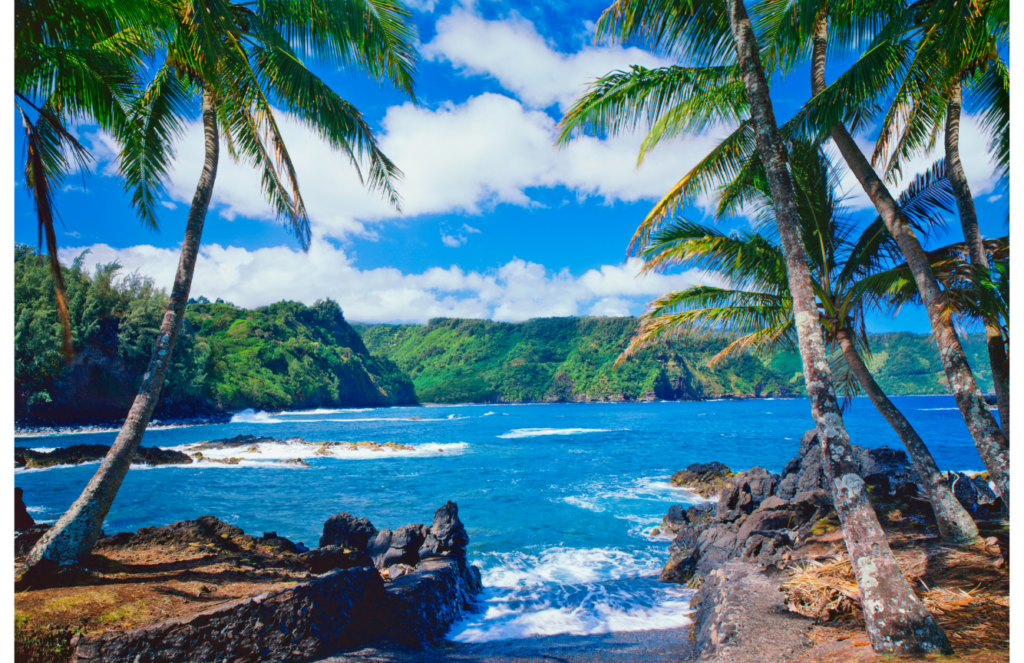
When to Visit
Maui is a year-round destination, but certain months are better depending on what you want to do.
- April to May and September to October are often considered the best months to visit. The weather is warm, the ocean is calm, and there are fewer crowds compared to peak season.
- December to April is the busiest time, attracting visitors escaping colder climates. It’s also the best period for whale watching, as humpback whales migrate through Maui’s waters.
- Summer months (June to August) bring higher temperatures and more families on holiday. Prices for flights and hotels rise during this period.
Rain can occur at any time, but most showers are brief and limited to the island’s eastern side. Packing light layers and a rain jacket ensures you’re comfortable wherever you go.
Conclusion
Maui offers more variety than most islands its size — from mountain hikes and volcanic craters to beaches, farms, and small local restaurants. You can fill your days with activity or take things slow and enjoy the island’s calmer rhythm.
Whether it’s driving the Road to Hana, snorkelling at Molokini, or sitting quietly at Wailea Beach, every part of Maui shows something different about the island’s character.
The most important thing to remember while visiting is to respect the land and the people who live there. Use reef-safe sunscreen, follow local guidance, and support small businesses whenever possible.
Travelling this way helps preserve the places that make Maui special and keeps the aloha spirit alive for future visitors.
FAQs
What to do in Maui for adults
Adults often enjoy experiences that combine relaxation and exploration. Watching the sunrise at Haleakalā National Park, joining a sunset sail, or taking a winery tour in Upcountry Maui are all popular choices. For something more active, snorkelling at Molokini Crater or driving the Road to Hana offers a good mix of scenery and adventure.
What to do in Maui with kids
Families can spend the day at Wailea Beach, visit the Maui Ocean Center, or take short hikes like Twin Falls and ʻĪao Valley State Park. Many beaches have calm areas suitable for swimming, and roadside fruit stands make the drives more fun for children.
What to do in Maui for free
Beaches, hiking trails, and scenic drives are all free to access. The Road to Hana, Upcountry drives, and ʻĪao Valley are excellent no-cost ways to experience the island’s landscape. Local farmers’ markets and cultural festivals are also worth visiting without needing to spend much.
Unusual things to do in Maui
For something different, visit the Ali‘i Kula Lavender Farm, sample organic chocolate on the Road to Hana, or explore Upcountry Maui’s small towns and farms. These spots show another side of the island that’s quieter and less crowded.
Things to do in Maui for couples
Couples often choose a luau dinner, a sunset sail, or a wine tasting in Upcountry Maui. A quiet afternoon at Wailea Beach or an evening drive through the island’s scenic roads can also be simple but memorable.
What to do in Maui with teens
Older kids and teens usually enjoy more active options like surfing lessons, snorkelling trips, or ziplining. They might also like exploring the Pipiwai Trail on the Road to Hana or taking photos from the Haleakalā summit.