

Asturias feels like a different Spain — and this Asturias travel guide shows why. Green hills roll down to a wild Atlantic coast, small towns sit between mountains and sea, and daily life moves at an unhurried pace. These are the qualities Asturias is best known for, far from the crowds and clichés of other parts of Spain.
Traveling through Asturias is less about ticking off sights and more about the experience itself — scenic drives, long meals, quiet coastal walks, and moments that feel untouched by mass tourism.
- Where Is Asturias Located?
- How to Get to Asturias
- Best Time to Visit Asturias
- What to Do in Asturias
- The Most Beautiful Places in Asturias
- Asturias Coast & Beaches
- How Many Days Do You Need in Asturias?
- Getting Around Asturias
- Where to Stay in Asturias
- Food & Drink in Asturias
- Main Cities in Asturias
- Is Asturias Right for You?
Where Is Asturias Located?
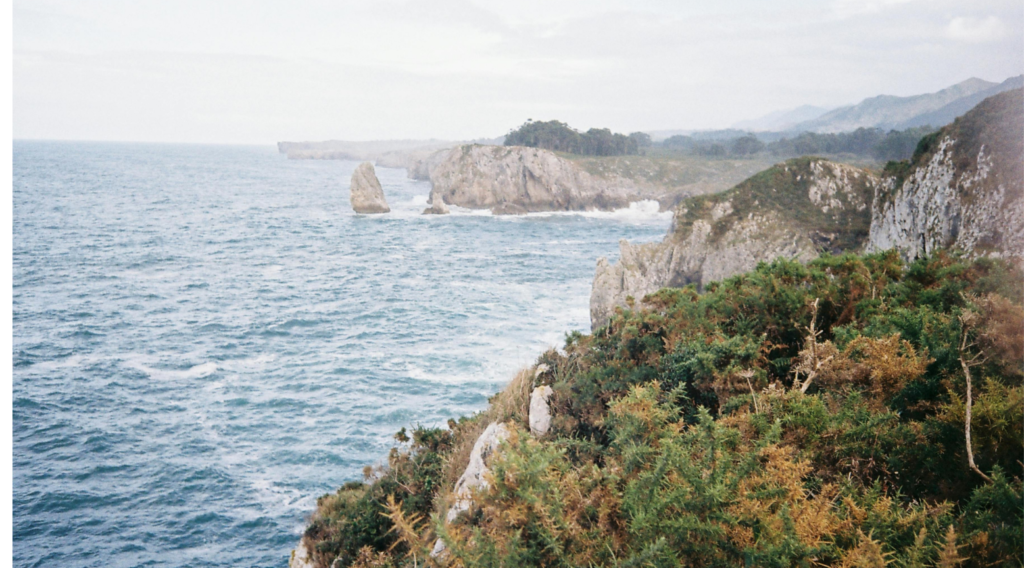
Asturias lies in northern Spain on the Atlantic coast. You find it between the Cantabrian Mountains and the Bay of Biscay, where land meets the sea. The region forms part of Green Spain, an area known for lush landscapes and a cooler climate.
You notice a clear contrast with southern Spain. Dry heat and flat land shape the south, while mountains and coastline define Asturias. As you follow the coast, you see rugged cliffs and open ocean. When you travel inland, rolling hills and deep valleys appear. Mountain ranges rise across the region and shape local culture and daily life.
Asturias borders Cantabria to the east and Galicia to the west. Castile and León lies to the south. This position lets you travel across northern Spain with ease. The region stays compact, yet the scenery changes over short distances.
This location shapes the identity of Asturias. You experience a greener and calmer region than many destinations in Spain. Nature remains central to daily life.

How to Get to Asturias
Getting to Asturias feels straightforward, but you need more planning than for Spain’s most touristic regions. This extra effort helps keep the area less crowded and more authentic.
Flying to Asturias
Asturias is served by Asturias Airport, which sits on the coast west of Gijón. You can reach the region through regular domestic flights from major Spanish cities such as Madrid and Barcelona. Seasonal international flights also connect Asturias with parts of Europe. For many travelers, flying remains the fastest and easiest way to arrive in the region.
Traveling by Train
Asturias is connected to the rest of Spain by rail, with routes running from Madrid and other northern cities. You travel through mountain landscapes and changing scenery along the way. Train travel offers a calm experience and suits travelers who enjoy slower journeys. The trip usually takes longer than flying.
Driving to Asturias
If you already travel in northern Spain, driving to Asturias feels rewarding. The roads remain well maintained. As you approach by car, you see the scenery that defines the region. The mountains open toward the coast and create a strong first impression.
Once you arrive, how you move around Asturias matters as much as how you reach it. This is something you should consider when planning your trip.
Best Time to Visit Asturias
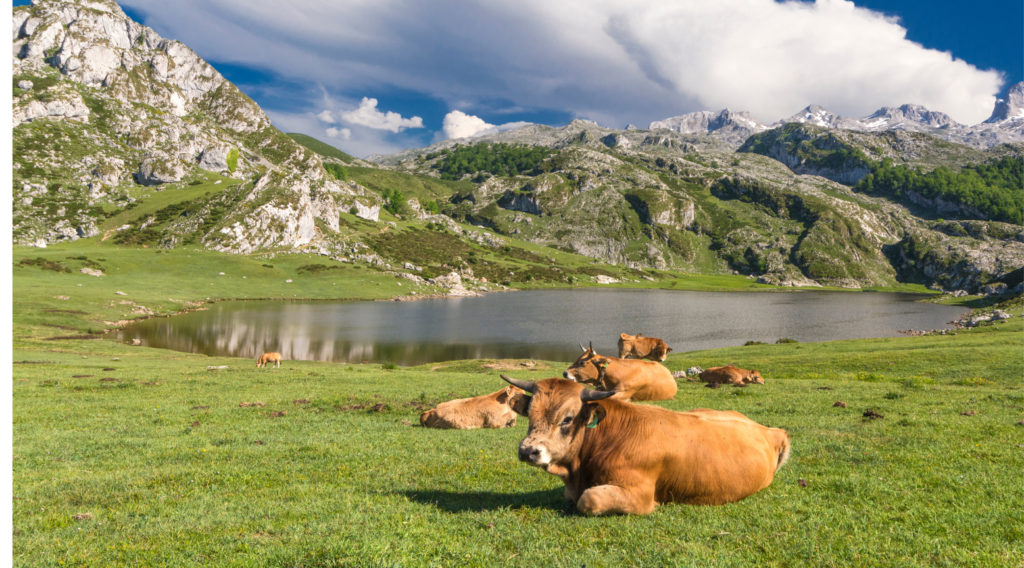
The best time to visit Asturias depends on what you want from your trip. The region changes across the year, and each season offers a different experience. The Atlantic climate keeps the landscape green throughout the year. Temperatures stay milder than in much of Spain, though rainfall occurs often.
Summer attracts the most visitors. You enjoy the coast, hike in the mountains, and explore towns and villages in stable weather. Days feel warm without extreme heat, which suits outdoor activities. This season also brings higher prices and larger crowds.
Spring and autumn serve as strong shoulder seasons. You encounter fewer visitors and see landscapes full of color. Temperatures remain comfortable for travel. These months suit road trips, nature-focused travel, and those who prefer a quieter pace.
Winter brings a calmer atmosphere to Asturias. Beach activities fade, but cultural travel becomes more appealing. You focus on food, local traditions, and daily life in cities and inland areas. This season offers a closer look at the region beyond tourism.
What to Do in Asturias
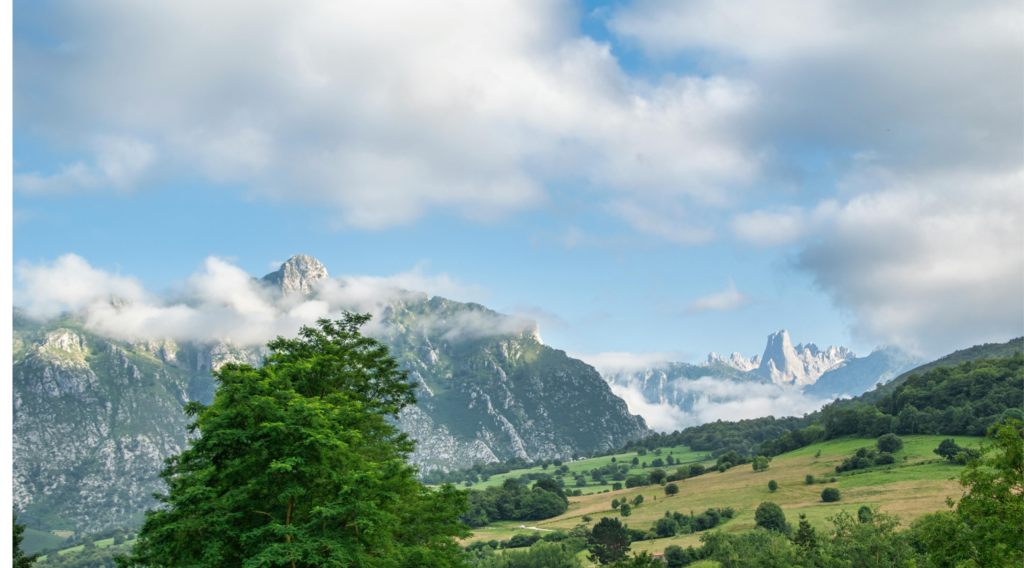
Asturias offers a wide range of experiences. You can explore the nature, culture, food, or scenic drives without long travel distances. Outdoor experiences draw many visitors. Hiking mountain trails, walk along the coast, and explore natural areas where mountains and sea sit close together. The scenery feels wild and untouched compared to other parts of Spain.
You also find charming towns and lively cities, each with a clear character. Coastal towns offer a relaxed atmosphere and access to beaches. Inland cities add history, architecture, and cultural sites that balance time spent outdoors.
Food plays a central role in daily life. You experience local cuisine as part of each travel day. Traditional meals, cider houses, and regional dishes appear naturally along your route.
Asturias suits slow travel and road trips. You enjoy the journey as much as the destination. Short drives lead to changing landscapes, which makes exploration feel easy and rewarding.
The Most Beautiful Places in Asturias
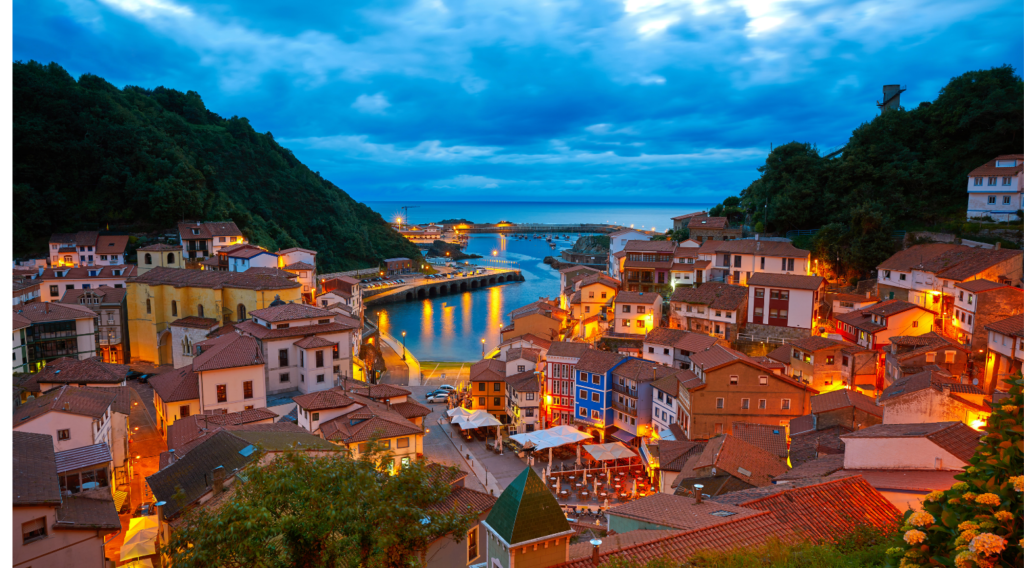
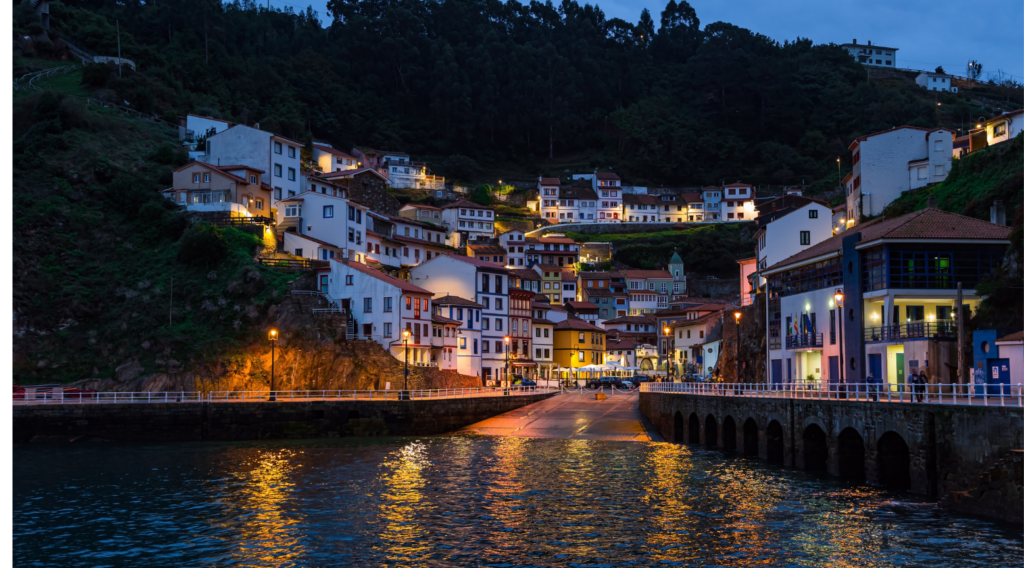
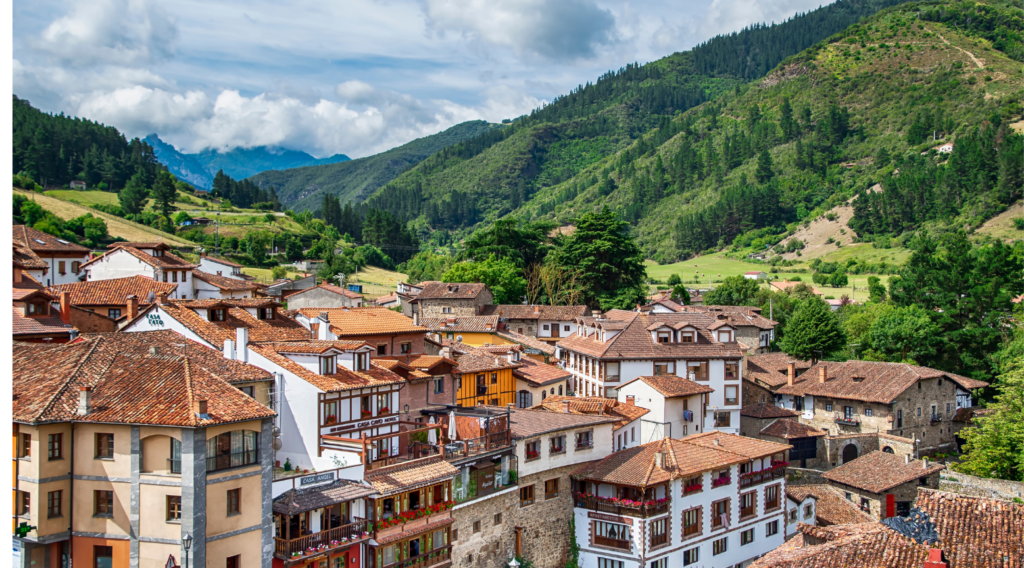
Asturias is often described as one of the most scenic regions in Spain. Many of the region’s most striking places are its towns and villages. You see stone houses, historic centers, and coastal views that create a strong sense of place. These towns appear along the coast and across the interior. Each one offers a different atmosphere shaped by location and history.
Beyond towns, natural landscapes define Asturias. You follow a wild coastline with cliffs, hidden coves, and long sandy beaches. Inland areas feature mountains, forests, and rolling countryside. Some of the most memorable views come from scenic drives and viewpoints rather than famous landmarks.
Where you spend your time depends on personal preference. You may feel drawn to coastal scenery, mountain landscapes, or picturesque towns. If you seek inspiration or want to refine your plans, you can explore guides to beautiful towns and regions. These resources help you choose areas that match your travel style.
Asturias Coast & Beaches
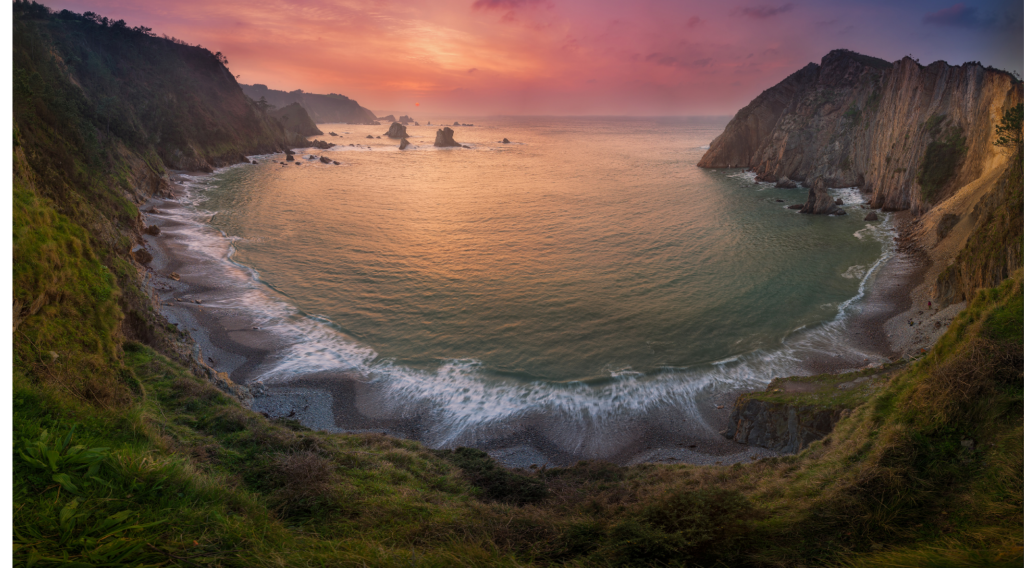
The beach of Asturias feels different from what you may expect from beaches in Spain. You do not see long promenades or resort strips. Instead, you find a rugged Atlantic coast with cliffs, hidden coves, fishing villages, and wide sandy beaches framed by green hills.
Asturias’ beaches stand out for their natural character. Many sit next to open countryside rather than hotels. Even popular spots often feel quieter than beaches in southern Spain. This setting suits travelers who value scenery, coastal walks, and open space over nightlife or resort life.
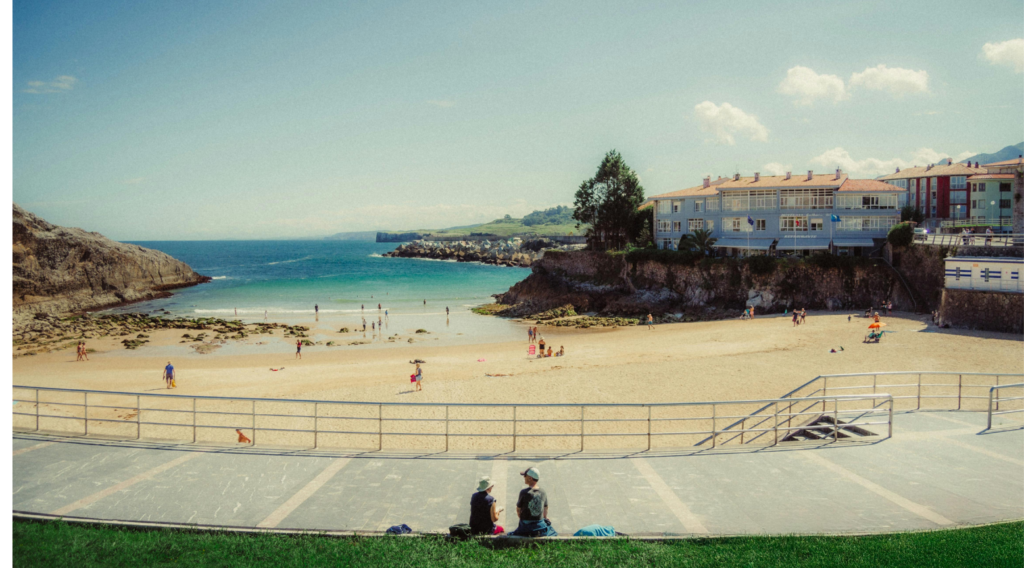
You can swim during summer, though the Atlantic water stays cool and conditions change. For many visitors, the beaches offer more than swimming. You enjoy the views, the sound of the sea, and the atmosphere of the coast. Surfing, coastal walks, and dramatic viewpoints shape the experience.
The coastline runs across the entire region, so where you stay matters. Your choice affects how you experience the coast. To plan stops and understand different areas, you can explore a guide to the Asturias Coast & Beaches..
How Many Days Do You Need in Asturias?
How much time you need in Asturias depends on how deeply you want to explore the region. You can see key highlights on a short visit. The region shows its full character when you travel at a slower pace and experience a range of landscapes.
With 3 to 4 days, you get a solid introduction. You focus on one main area, such as a single city base with nearby coastal or countryside trips. This option works well if Asturias forms part of a longer journey through northern Spain.
Spending 5 to 7 days gives you a more balanced experience. You explore the coast, towns, and inland scenery without feeling rushed. Many first-time visitors choose this time frame.
If you have 10 days or more, you slow down even further. You stay in multiple bases and reach mountain areas, quiet villages, and scenic roads. Longer stays suit travelers who enjoy road trips and discovering less-visited parts of the region.
Getting Around Asturias
Getting around Asturias plays a key role in how you experience the region. The landscape shapes travel in clear ways. Cities and larger towns connect by public transport, but many scenic areas lie across the countryside and along the coast.
You gain the most flexibility by traveling by car. You reach beaches, villages, viewpoints, and hiking areas with ease. Many of these places remain difficult or slow to access by other means. Driving also lets you set your own pace and stop when a view or small town draws your attention.
Public transport works if you stay mainly in cities or visit only a few destinations. It requires more planning and often limits rural or coastal exploration. For many travelers, a mix of city stays and day trips by car creates a good balance.
If you consider a self-drive trip or want to decide whether renting a car suits your plans, a detailed Asturias road trip guide helps you plan routes, choose bases, and estimate travel times.
Where to Stay in Asturias
Choosing where to stay in Asturias shapes your overall experience. Each base offers a different atmosphere, whether you stay on the coast, in a city, or in the countryside. Distances stay short, so you can see a lot without changing accommodation often.
A city base works well if you want transport links, restaurants, and evening activity. Cities suit travelers without a car and those planning short stays with day trips.
A coastal base fits travelers who prioritize beaches and sea views. You stay close to seaside towns and coastal walks. Many coastal areas also give easy access to inland scenery, which makes them popular in summer.
If you prefer quiet surroundings, the countryside and mountain areas offer a slower pace. You stay among green landscapes and open space. These bases suit hiking, road trips, and travelers who enjoy calm evenings and nature.
Your best base depends on your travel style, length of stay, and access to a car. For a detailed overview of areas and accommodation options, you can explore a guide on where to stay in Asturias.

Food & Drink in Asturias
Food plays a central role in everyday life in Asturias and shapes the region’s identity. You encounter meals that reflect rural traditions and an Atlantic climate. Loca
l dishes rely on regional products and long-standing cooking methods.
Cider culture stands out as one of the region’s defining features. You experience sidra as more than a drink. It serves as a shared ritual in cider houses. Servers pour it from a height to release aroma before each sip. Visiting a sidrería often becomes a highlight of your trip.
Local cuisine focuses on comforting dishes made with simple ingredients. You find meat stews, beans, cheeses, and seafood on many menus. These foods suit travelers who prefer traditional cooking over modern fusion styles. Portions remain generous, and meals often bring people together around the table.
You do not fit food in between activities. It forms part of the travel experience itself. To learn what to eat, what to drink, and how food culture shapes daily life, a detailed Asturias food guide helps you explore this
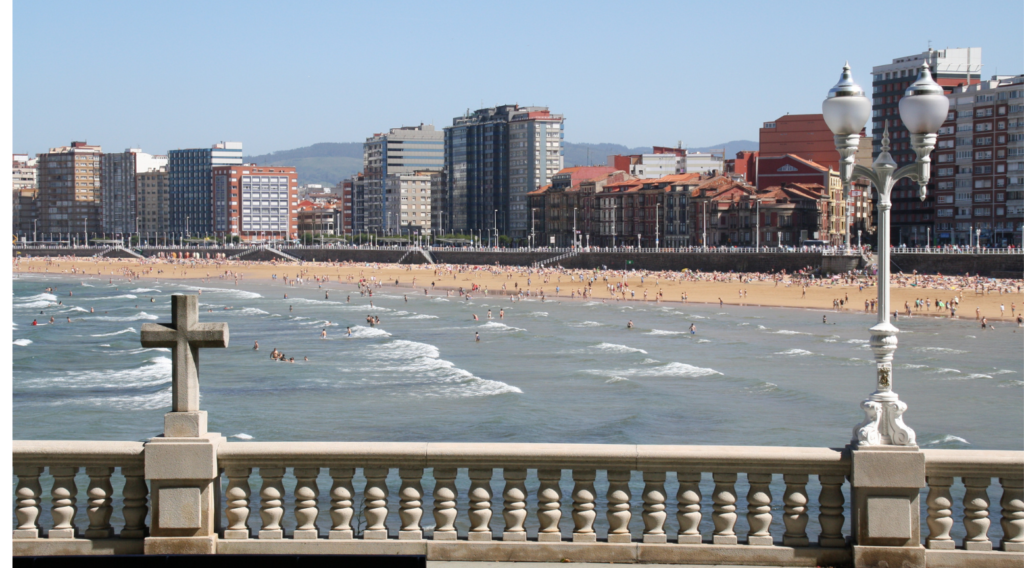
Main Cities in Asturias
While much of Asturias appeals through nature and small towns, its cities add cultural and practical value to your trip. You experience a different side of the region in urban areas. Each main city has a clear personality and works well as a base, depending on how you travel.
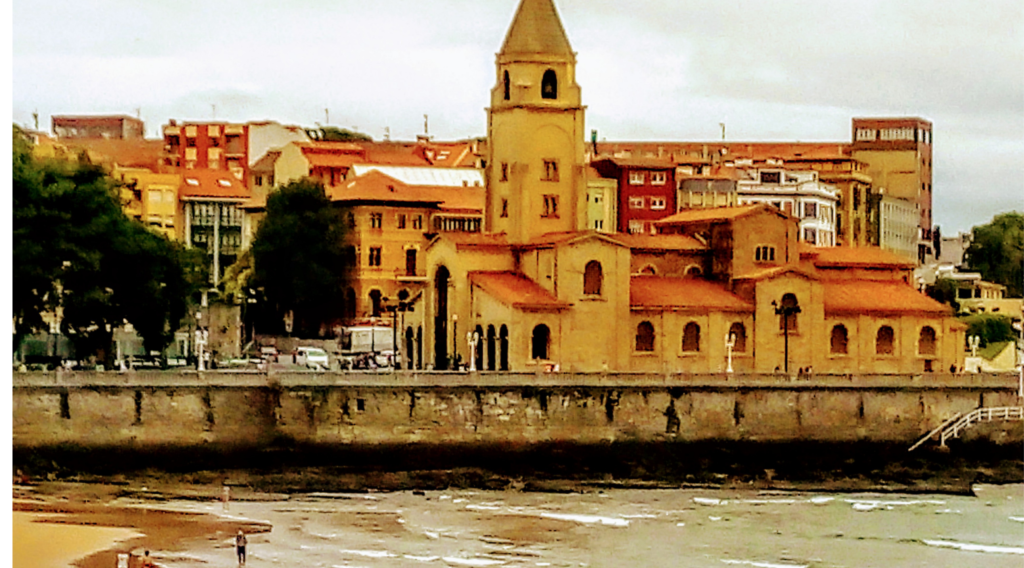
Gijón
Gijón is a lively coastal city with beaches and long seaside promenades. You experience a relaxed atmosphere alongside active urban life. The city gives you direct access to the coast while keeping the feel of a working city. This mix makes Gijón a strong choice for first-time visitors who want city energy and time by the sea.
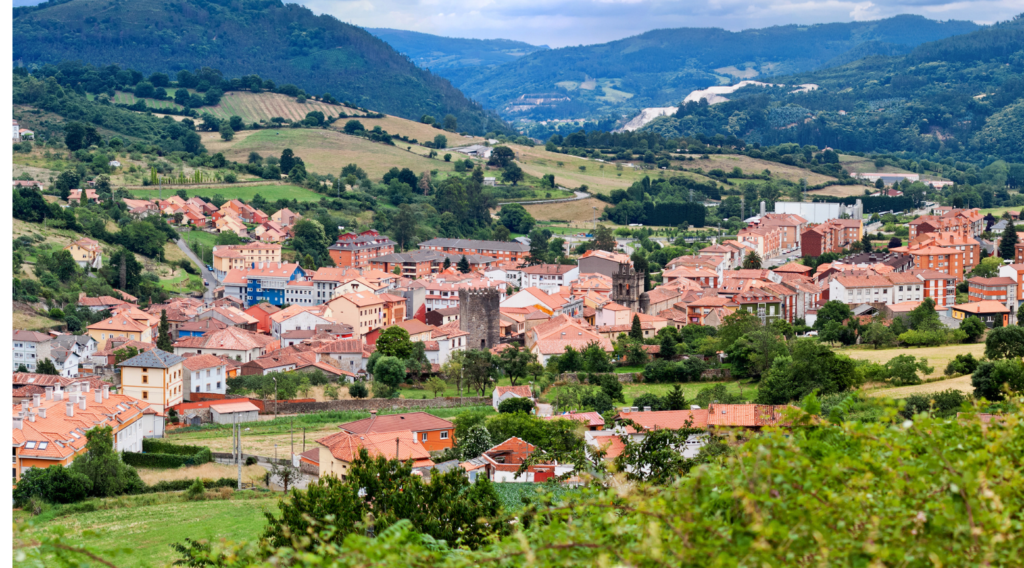
Oviedo
Oviedo serves as the historic capital of Asturias and offers a more traditional city atmosphere than the coast. You experience a sense of elegance shaped by its historic center, architecture, and cultural life. The city suits travelers who value history, local food, and a refined urban setting.
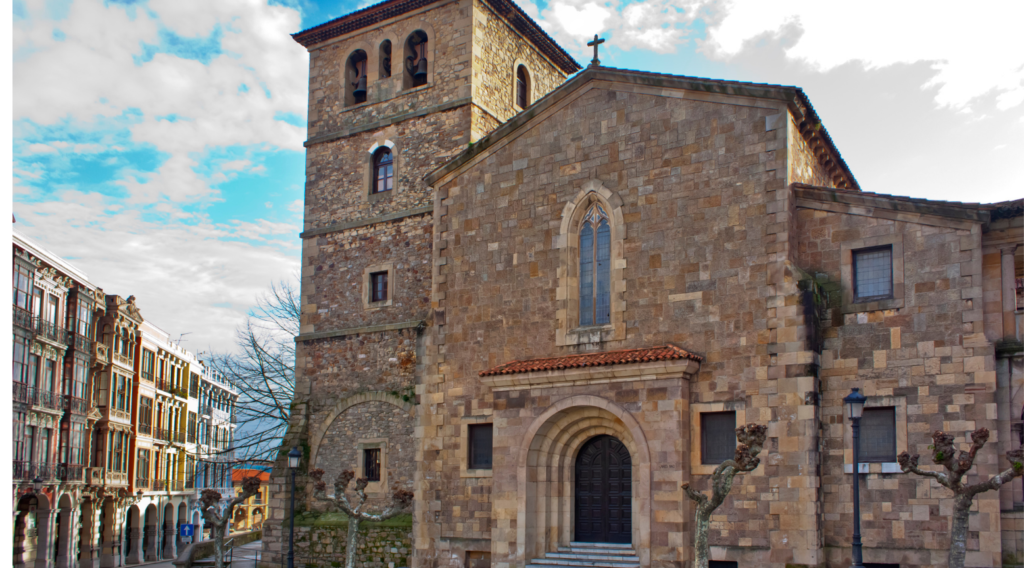
Avilés
Avilés is smaller and often overlooked, yet it offers a charming historic center and a slower pace. You explore the city with ease and notice a strong local character. It works well as a short stop or as a base if you enjoy compact cities with a clear sense of place.
Choosing the right city depends on what you value most. You may prefer coastal scenery, historic surroundings, or a quieter urban base. Many travelers create a balanced trip by combining time in a city with stays in the countryside.

Is Asturias Right for You?
Asturias suits you if you enjoy nature, scenery, and a slower pace of travel. You explore by car, discover small towns, and spend time outdoors. Food and local culture shape your experience more than nightlife or resorts.
If you look for wild coastline, green landscapes, and places with limited mass tourism, Asturias meets those expectations. You find routes that reward road trips and journeys where the drive matters as much as the stop. The region also fits shoulder-season travel and flexible itineraries.
Asturias may not suit you if you want guaranteed beach weather or late-night party scenes. It also differs from destinations built around luxury resorts. The region focuses on character, variety, and atmosphere rather than polished tourism.
If you want something different from a typical Spanish route, Asturias offers a memorable alternative. Many travelers leave with it as a highlight of their journey through northern Spain.
For travelers who value character, nature, and authenticity over resort-style travel, Asturias is worth visiting and often becomes an unexpected highlight of a trip through Spain.
Pingback: 5 Reasons Asturias Is Worth Visiting (And the Best Things to Do There) | Rovenect
Pingback: Best Time to Visit Asturias | Rovenect
Pingback: 6 Best Things to Do in Asturias: Top Places & Experiences | Rovenect
Pingback: 7 Best Beaches In Asturias | Rovenect
Pingback: Where to Stay in Asturias: 9 The Best Towns, Areas, and Hotels | Rovenect
Pingback: Asturias Road Trip: 5-Day Northern Spain Itinerary You’ll Love | Rovenect
Pingback: 2 Week Asturias Itinerary: A Stunning Adventure You’ll Absolutely Love2 Week Asturias Itinerary | Rovenect