
Introduction
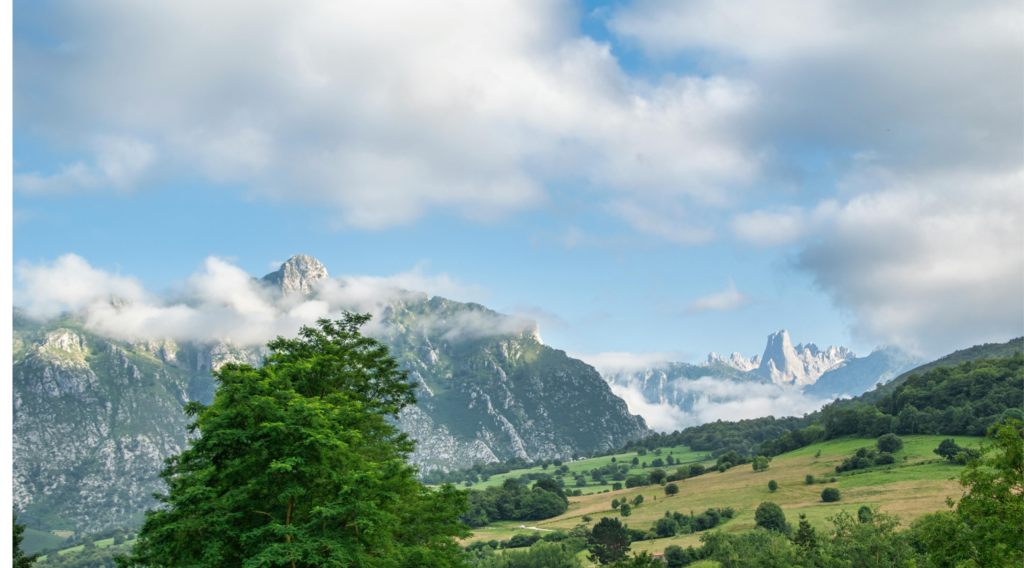
Often overlooked in favor of Spain’s more famous destinations, Asturias rewards travelers who take the time to explore it. The region sits along Spain’s northern coast. It offers a sharp contrast to the country’s sunbaked south. Expect green hills, dramatic cliffs, and a coastline shaped by the Cantabrian Sea. Nature feels close here. Traditions stay strong. Life moves at a calmer pace.
This blog explains why Asturias is worth visiting and what you can do once you arrive. It focuses on the balance between landscape and everyday life. Fishing villages sit near mountain trails. Local food reflects the land and seasons. Tourism has not reshaped daily routines. For travelers who want a place that feels genuine and unhurried, Asturias offers real character and a grounded travel experience. If you’re planning a deeper trip, this Asturias travel guide offers practical advice on where to go, how to get around, and how to experience the region at a relaxed pace.
1. Spectacular Natural Beauty
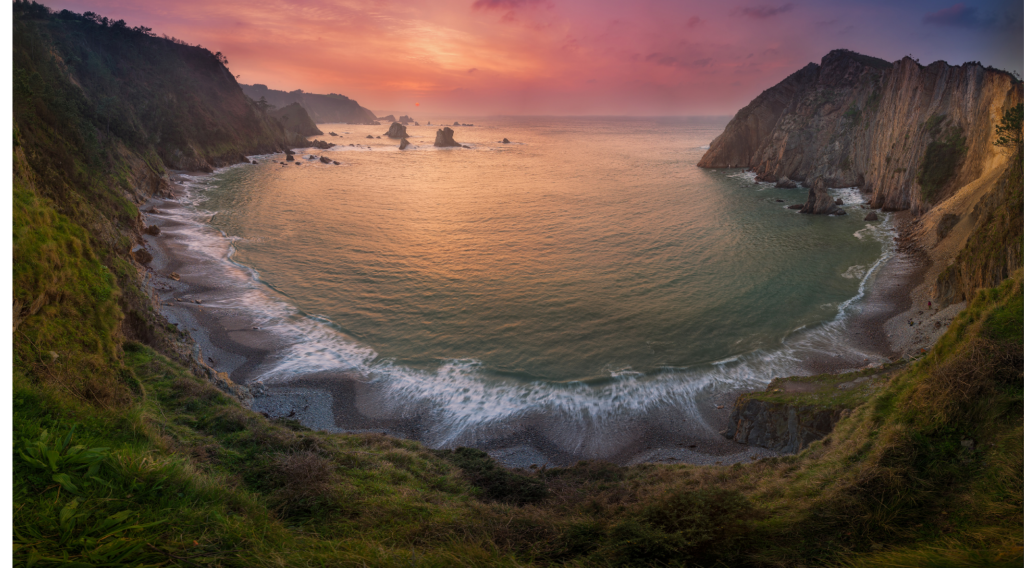
One of the strongest reasons to visit Asturias is its natural scenery. Few regions in Europe offer such a wide range of landscapes in a small area. Rolling green hills, dense forests, rugged cliffs, and wide Atlantic beaches exist side by side. The setting feels powerful and calm.
Asturias sits between the Cantabrian Sea and the mountains, which gives the region a wild character. Coastal roads offer wide ocean views. Inland valleys lead to misty peaks, grazing pastures, and hidden waterfalls. Frequent rain shapes Asturias into one of Spain’s greenest regions and adds to its visual appeal.
What sets Asturias apart is how easy it is to reach this beauty. You do not need long journeys or demanding hikes. Nature blends into daily life. You see it from roadside viewpoints, rural villages, and quiet coastal paths. The landscape stays with you and invites you to slow down and stay longer.
2. An Authentic, Crowd-Free Travel Experience
Another reason visiting Asturias feels rewarding is the lack of mass tourism. Many parts of Spain face crowded landmarks and high prices. Asturias stays off the main travel radar. You see fewer tour buses. Streets feel quieter. Experiences feel loca.
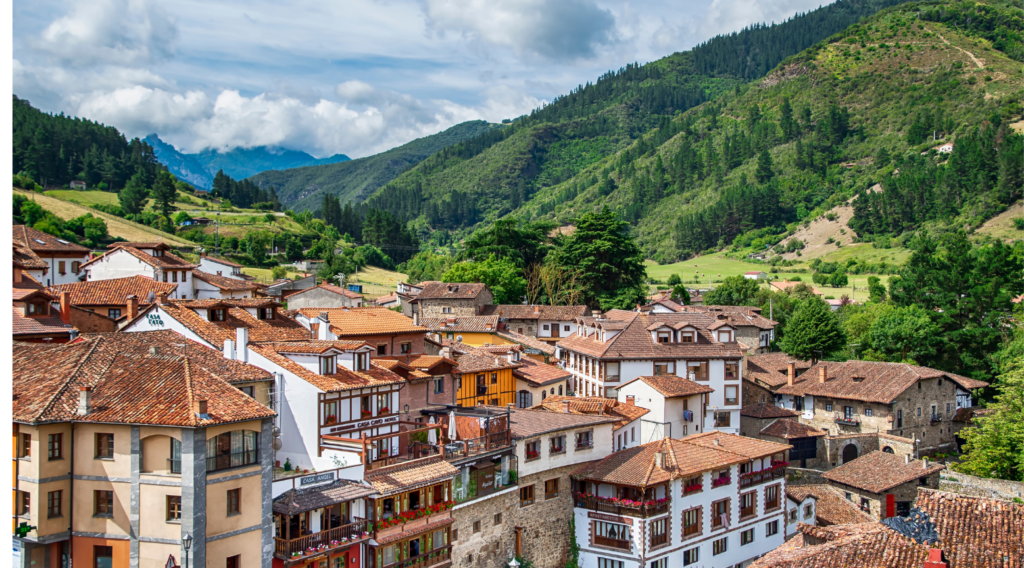
Daily life in Asturias does not revolve around tourism. Fishermen work the harbors. Rural villages keep long traditions. Cafés and markets serve locals first. As a visitor, you do not move through a place built for tourists. You step into a region that moves at its own pace.
This slower rhythm shapes the way you travel. Conversations feel natural. You enjoy landscapes without crowds. Small moments stand out. A walk through a village. A relaxed meal. For travelers who want calm, authenticity, and connection, Asturias offers something rare today.
3. Rich Culture and Strong Regional Identity
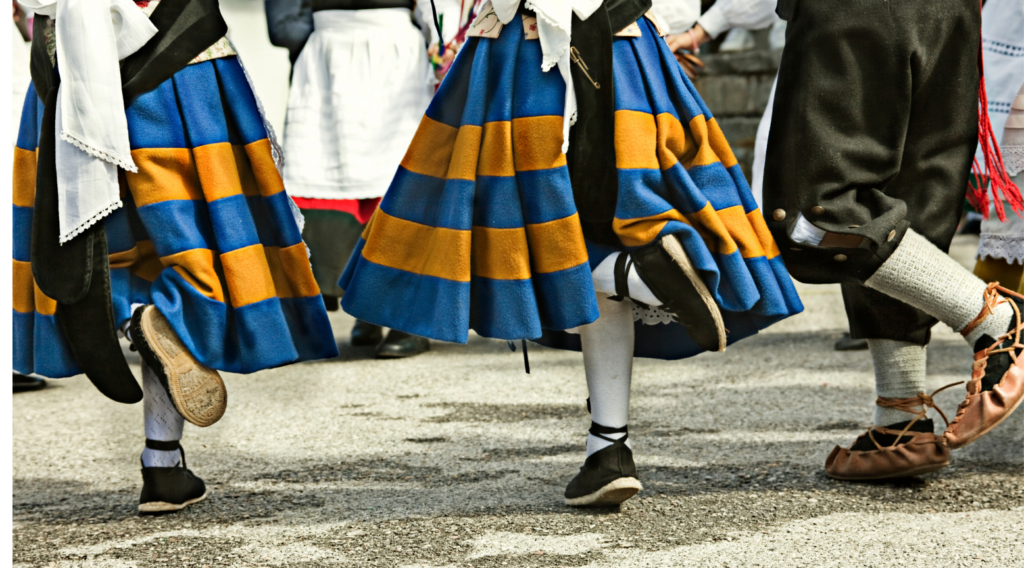
Asturias offers more than strong landscapes. The region stands on deep cultural pride and identity. Traditions are not kept for display. People live them, practice them, and pass them down. This bond with heritage gives Asturias a grounded and sincere character that feels distinct from the rest of Spain.
Local music, folklore, and festivals shape daily life, especially in rural areas. Celebrations mark seasons and honor local saints. They bring communities together with food, cider, and music. Many locals still speak the Asturian language. It reflects a clear commitment to cultural roots.
This cultural depth feels easy to access as a visitor. You do not need museums or staged events to find it. You see it in village gatherings. You feel it in family-run restaurants. You notice it in daily interactions. By visiting Asturias, travelers step into a way of life shaped by tradition, community, and continuity.
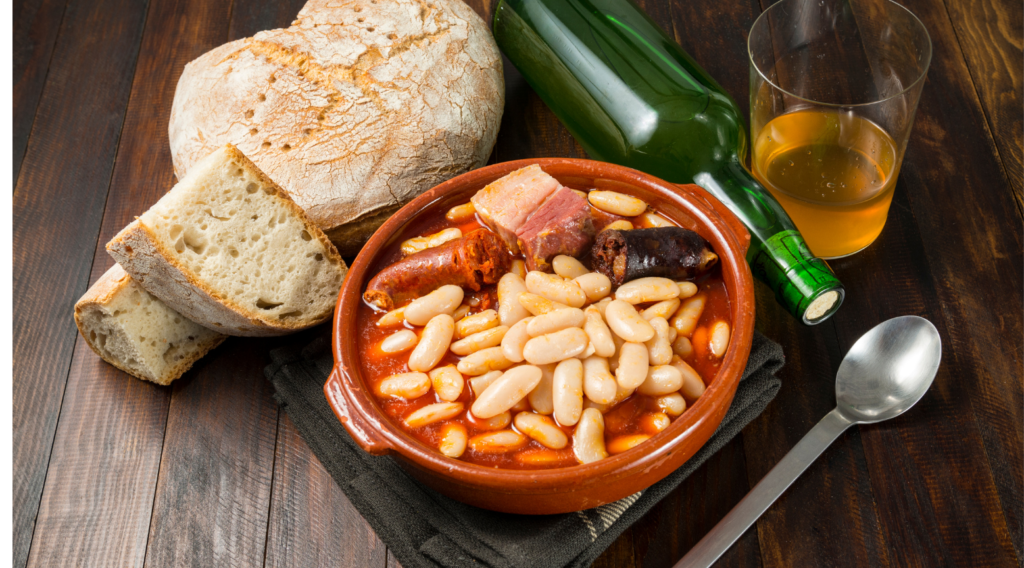
4. Outstanding Local Cuisine
Food is another strong reason to visit Asturias. Asturian cuisine comes from the land. Rural traditions, the Atlantic climate, and local pride shape it. The food feels hearty, honest, and full of character.
Meals rely on local ingredients. Beans, meats, dairy, seafood, and vegetables come from nearby farms and coasts. Traditional dishes feel rich and comforting. People share them at the table. Cheese stands out in particular. Asturias produces dozens of local varieties, many still made by hand.
Cider plays a central role in Asturian food culture. It is more than a drink. It acts as a social ritual. People pour it in a distinct way and share it in sidrerías. Meals here focus on connection as much as flavor.
Together, food and drink define the Asturian experience. They feel indulgent yet authentic. They reflect values of generosity, tradition, and respect for quality.
5. Great Value and Accessibility
Beyond scenery and culture, Asturias offers strong value for time and money. Prices stay reasonable when compared to other regions in Spain. Accommodation, dining, and activities cost less. Quality and comfort remain high.
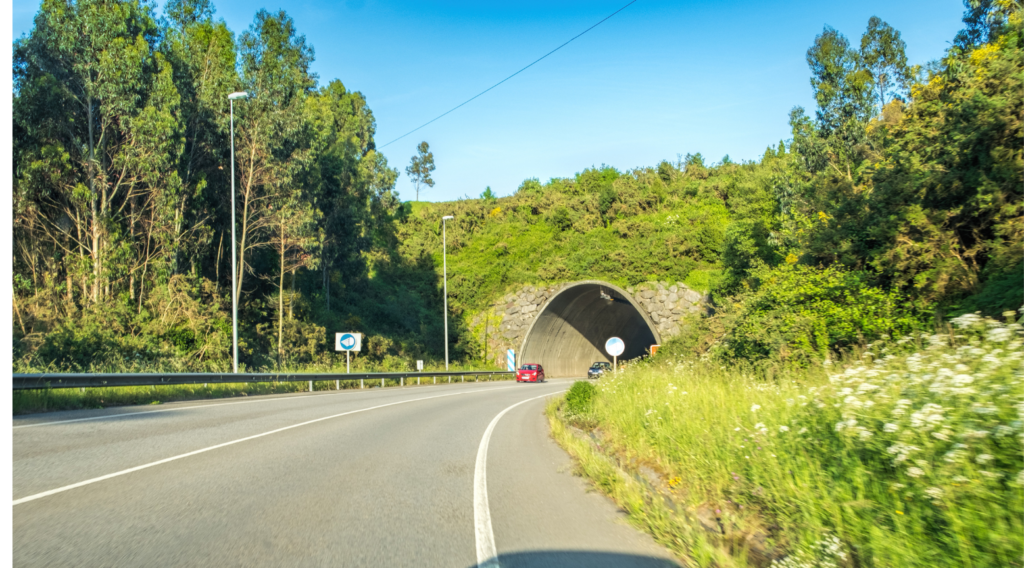
Getting around Asturias feels simple. The region has a compact layout. You can reach the coast, countryside, and mountains in one trip. Drives stay short and scenic. Roads stay well maintained. Towns connect clearly. Public transport links major cities.
This mix of affordability and access supports longer stays. Visitors do not need to rush. They can linger over meals. They can explore small villages. They can enjoy the landscape. For travelers who value depth over speed, Asturias makes slowing down feel
What to Do in Asturias
Outdoor Adventures
Outdoor activities rank among the biggest draws in Asturias. The region offers diverse landscapes that are easy to reach. Hiking leads the way. Trails wind through mountains and along the coast. Routes in Picos de Europa contrast with paths that follow the sea and open views.
Hiking is not the only option. Visitors kayak on rivers. Surfers head to the Cantabrian coast. Many choose simple walks through forests and valleys. You do not need expert skills. Asturias suits all levels. It lets you enjoy nature at your own pace.
Beaches and Coastline
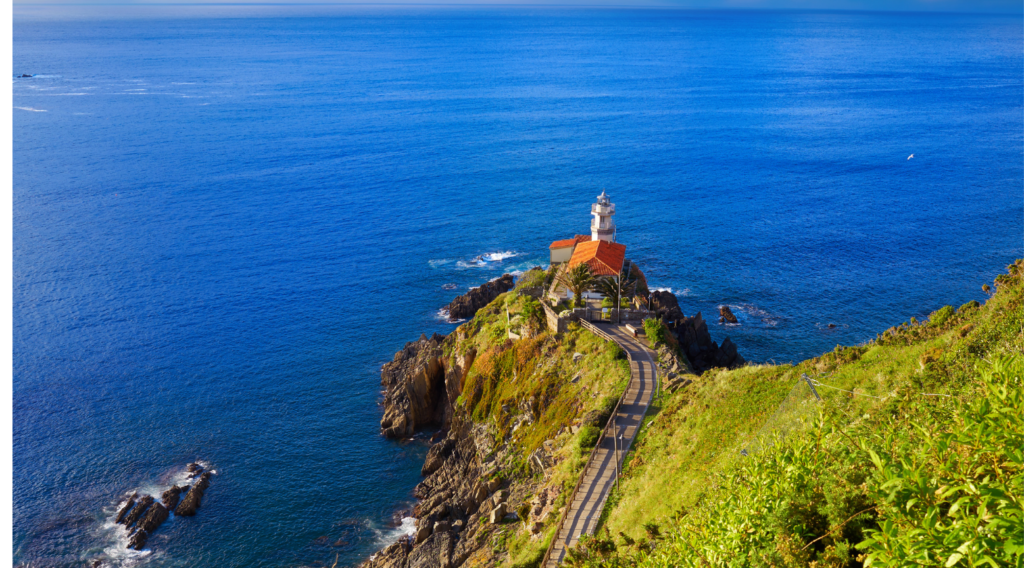
Asturias’ coastline feels rugged and wild. It draws fewer crowds than many beach regions in Spain. The coast runs along the Cantabrian Sea. You find wide sandy beaches, small coves, and sharp cliffs. Green hills rise behind many shores instead of resorts. The setting feels natural and calm.
The coast suits both rest and activity. Some beaches attract surfers. Others invite long walks or quiet swims. Many people come to enjoy the view. You might stop at a hidden cove. You might spend hours by the sea. The coastline of Asturias offers a beach experience that feels calm and rea
Cities and Villages to Visit
Asturias’ cities and villages add depth to any visit. The regional capital, Oviedo, stands out for its historic old town and elegant squares. The atmosphere feels relaxed. It suits slow exploration. Along the coast, Gijón brings more energy. Beaches, cultural spaces, and local identity shape the city.
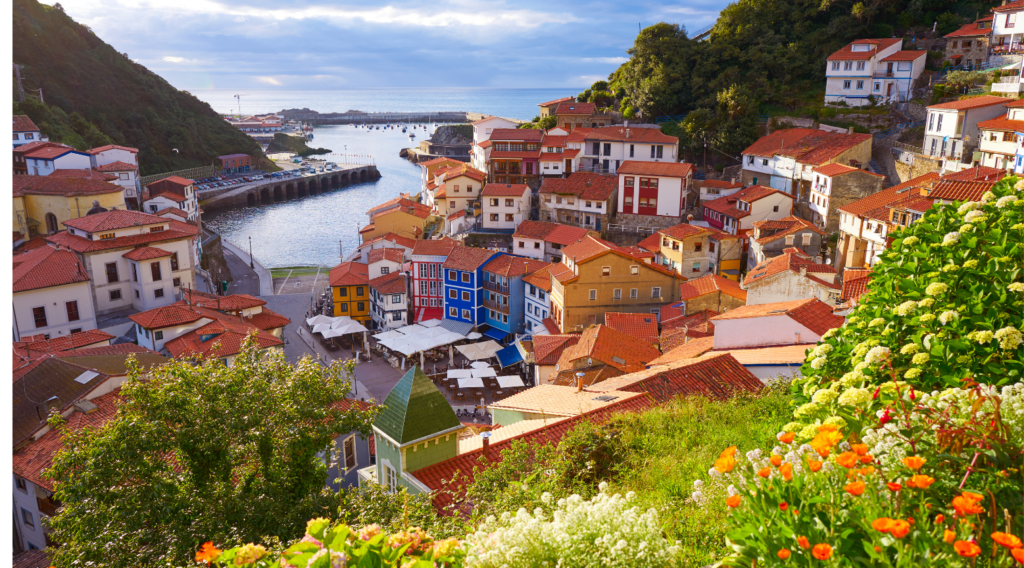
Beyond the cities, small fishing villages and rural towns spread across Asturias. These places reflect daily Asturian life. You see traditional buildings. Streets stay quiet. Local cafés serve familiar faces. Even short stops leave an impression. They add authenticity and connection to the journey.
Culture, Food, and Drink
Experiencing local culture shapes any visit to Asturias, even in small moments. Traditional festivals, local music, and daily customs reflect a strong regional identity. This culture remains alive. You encounter it in village celebrations. You see it in local markets. You hear it in casual conversations.
Food and drink sit at the center of this experience. Asturian cuisine feels hearty and traditional. A stop at a sidrería to try local cider feels essential. These shared settings create easy connections with people and place. They complete a visit with flavors and traditions that stay with you.
Conclusion
Asturias rewards curiosity and slow travel. Strong landscapes, cultural identity, and food traditions shape the experience. Crowds stay away. The result feels genuine and enriching. Asturias does not rely on major attractions. It stands out through balance. Mountains meet the sea. Tradition meets daily life. Exploration meets rest.
Travelers who look beyond common routes find something special here. Asturias proves that memorable journeys come from quieter places. The region asks you not to rush. Take time with the scenery. Enjoy the food. Notice the rhythm. You do more than see Asturias. You feel it. Every moment feels worth the time.
FAQ
Best Time to Visit
The best time to visit Asturias is from late spring to early autumn (May–September). The weather stays mild. Landscapes turn their greenest. Outdoor activities shine. Summer works best for beaches and festivals. Late spring and early autumn suit hiking and quieter travel.
Where to Stay
Asturias offers a wide range of accommodation options, from rural guesthouses and countryside hotels to city stays and coastal apartments. Rural hotels suit nature lovers. City stays give easy access to culture, food, and transport. Wherever you choose, accommodation in Asturias offers strong value compared to other regions in Spain.
Best Town to Base Yourself
There’s no single “best” town. It depends on your travel style. Oviedo works as a strong all-round base with culture, history, and good regional access. Gijón fits travelers who want energy, beaches, and seaside walks. Smaller towns and villages suit a quieter, rural experience.
How Many Days Do You Need?
A minimum of 4–5 days lets you see the highlights. Plan 7–10 days to experience Asturias at a relaxed pace. The region rewards slow travel. You can enjoy both coast and countryside without rushing.
What Makes Asturias Special?
Asturias stands out for its balance. Dramatic nature. Strong traditions. Excellent food. Little mass tourism. Mountains meet the sea. Local life feels authentic. The slower rhythm keeps the region genuine and unspoiled. Experiences feel natural, not curated. That’s what makes Asturias memorable.
Pingback: Asturias Travel Guide: 13 Essential & Amazing Things to Know Before You Go | Rovenect
Pingback: 6 Best Things to Do in Asturias: Top Places & Experiences | Rovenect