
Valencia is one of Spain’s most underrated destinations, a vibrant coastal city that blends history, modern architecture, and a relaxed Mediterranean feel. Many travelers choose Barcelona or Madrid, but Valencia offers a great alternative. It has fewer crowds, better prices, and just as much to see and do.
Valencia sits on Spain’s sunny eastern coast. It is known as the birthplace of paella, but the city offers much more than food. You can walk through the narrow streets of the Old Town, or explore the modern City of Arts and Sciences. The city mixes old and new in a clear way. It also has golden beaches, green parks, and a strong local culture, making it a good fit for many types of travelers.
You might plan a short city break, a food trip, or a relaxed beach stay. This Valencia travel guide helps you find the best things to do, where to eat, where to stay, and how to use your time well in this Spanish city.
- Where is Valencia & Why Visit
- Best Time to Visit Valencia
- Top Things to Do in Valencia
- What to Eat in Valencia
- Where to Stay in Valencia
- Getting Around Valencia
- Sample 2–3 Day If you visit Valencia for a short trip, this simple plan helps you see the main highlights without rushing.
- Valencia vs Seville vs Malaga
- Travel Tips for Valencia
- Final Thoughts
Where is Valencia & Why Visit
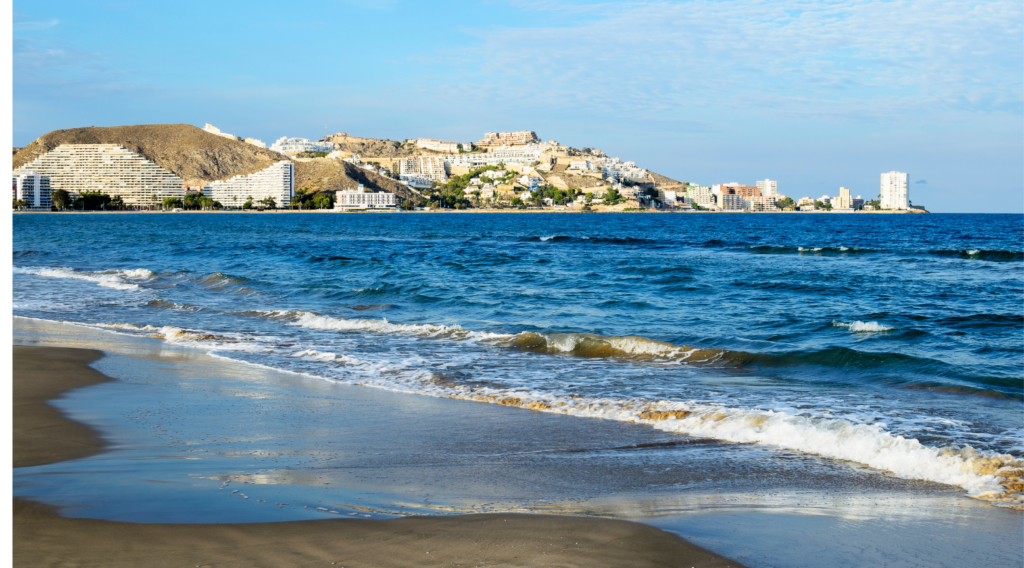
Valencia sits on the eastern coast of Spain, along the Mediterranean Sea, about halfway between Barcelona and Alicante. It is the third-largest city in the country. It offers culture, history, and energy, but without the heavy crowds found in more famous cities.
So why visit Valencia? The city offers a strong mix of experiences. You can explore historic landmarks in the morning, cycle through green gardens in the afternoon, then watch the sunset on a sandy beach. Few European cities offer this much variety in one place, and the city is easy to get around.
Valencia is also the birthplace of paella, which makes it a great choice for food lovers. But the city offers more than its food. Old and new exist side by side. Gothic buildings stand close to the modern City of Arts and Sciences, creating a rich and clear contrast.
The city also feels calm and relaxed. Compared to Barcelona or Madrid, Valencia feels more local and more real. It is often more affordable, too. This makes it a good choice for travelers who want to enjoy Spain at a slower pace.
Best Time to Visit Valencia
Valencia is a year-round destination, thanks to its mild Mediterranean climate. The best time to visit depends on the kind of trip you want.
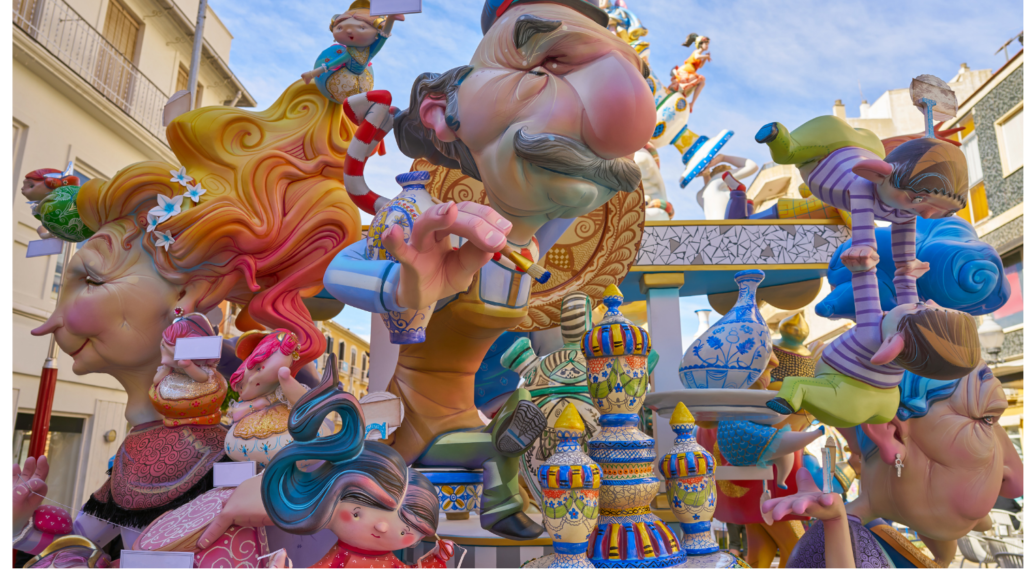
Spring, from March to May, is often the best time to go. The weather stays warm, but not too hot, which makes it good for sightseeing and outdoor plans. The Las Fallas festival also takes place in March, with large sculptures, fireworks, and street celebrations.
Summer, from June to August, brings high temperatures and a lively beach scene. This is a good time for the coast, but expect heat and higher prices, especially in July and August.
Fall, from September to November, offers warm weather with fewer crowds. The sea stays warm in early fall, so you can still swim. It is also a good time for a relaxed and more affordable trip.
Winter, from December to February, is the quietest season. It is too cool for the beach, but temperatures remain mild compared to much of Europe. This season suits travelers who want fewer tourists and lower hotel prices.
Overall, spring and early fall offer the best mix of weather, events, and crowd levels, but Valencia has something to offer at any time of year.
Top Things to Do in Valencia
Explore the Old Town (El Carmen)
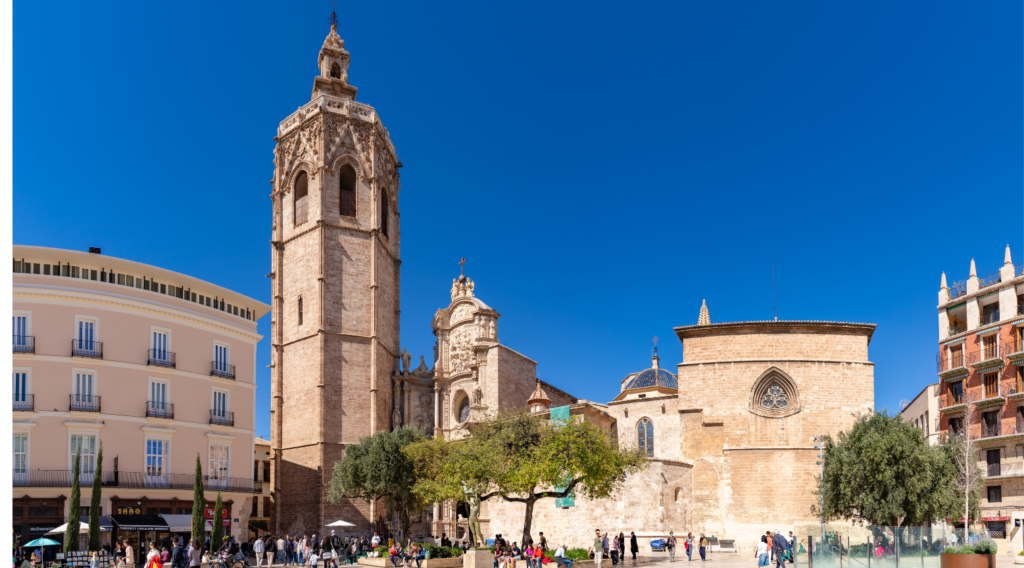
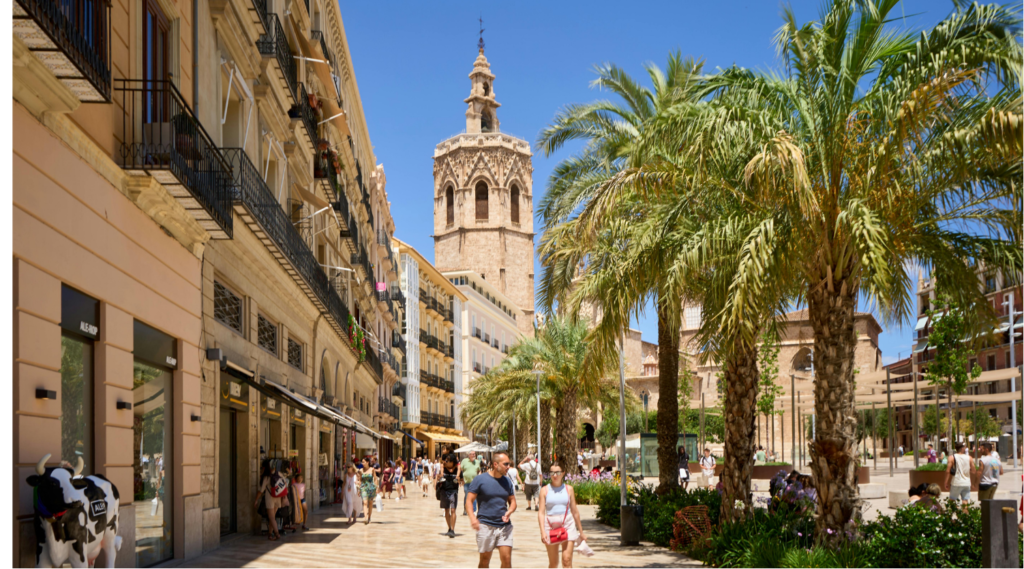
Valencia’s historic center has narrow streets, small squares, and old buildings. Walk through El Carmen and explore key landmarks. Visit the Valencia Cathedral, and climb the tower for wide views of the city. Stop by Plaza de la Virgen, one of the most beautiful and lively squares. It is a great place to experience the city’s history and atmosphere.
Visit the City of Arts and Sciences
The City of Arts and Sciences is one of Valencia’s most well-known attractions. This modern complex feels like a different world. Santiago Calatrava designs it with bold white structures, set around water. You can visit the Oceanogràfic, Europe’s largest aquarium, the Science Museum, and the Hemisfèric, an eye-shaped IMAX cinema.
Relax at Valencia’s Beaches
A short distance from the city center, Valencia’s beaches offer golden sand and a relaxed feel. Malvarrosa Beach is the most popular, with many restaurants and bars along the promenade. For a quieter escape, visit Albufera Natural Park. You can take a boat ride, see the rice fields, and enjoy the sunset.
Walk or Bike Through the Turia Gardens
The Turia Gardens are one of Valencia’s most unique features. This former riverbed now serves as a long green park through the city. It is a good place to walk, jog, or cycle. You will find shaded areas, playgrounds, and quiet spots to rest. It also connects many of the city’s main attractions.
What to Eat in Valencia
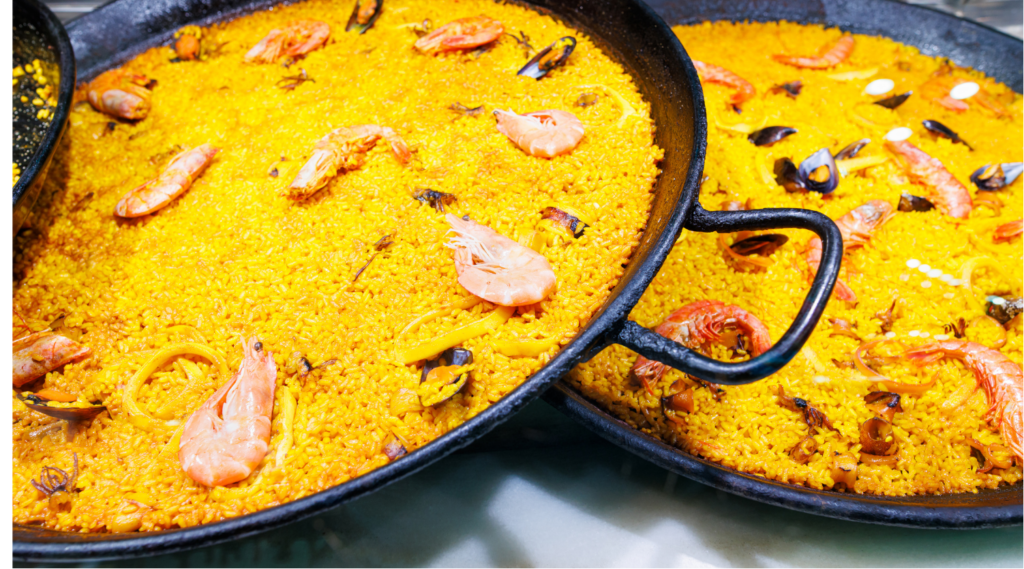
Valencia is a great place for food lovers. The city offers a strong food scene, built on tradition and fresh local ingredients. You should try some of its most well-known dishes during your visit.
The main dish is paella Valenciana, the original version of Spain’s most famous meal. It uses chicken, rabbit, green beans, and saffron rice. It is quite different from the seafood versions found in other places. For the best experience, eat it at a local restaurant, usually at lunch, as locals do.
You should also try horchata, a cold drink made from tiger nuts. People often enjoy it with fartons, which are soft, sweet pastries made for dipping. It is very popular in warm weather and has a unique taste.
Seafood also plays a big role in the local food scene. The city’s coastal location brings fresh options every day. You can try grilled fish or simple tapas like calamari and prawns.
Beyond these dishes, the city has many places to explore. You can visit traditional taverns or modern tapas bars. You might eat by the beach or in the Old Town, but good food is always close.
Where to Stay in Valencia
Choosing where to stay in Valencia depends on your travel style. The city offers several neighborhoods that suit different types of visitors.
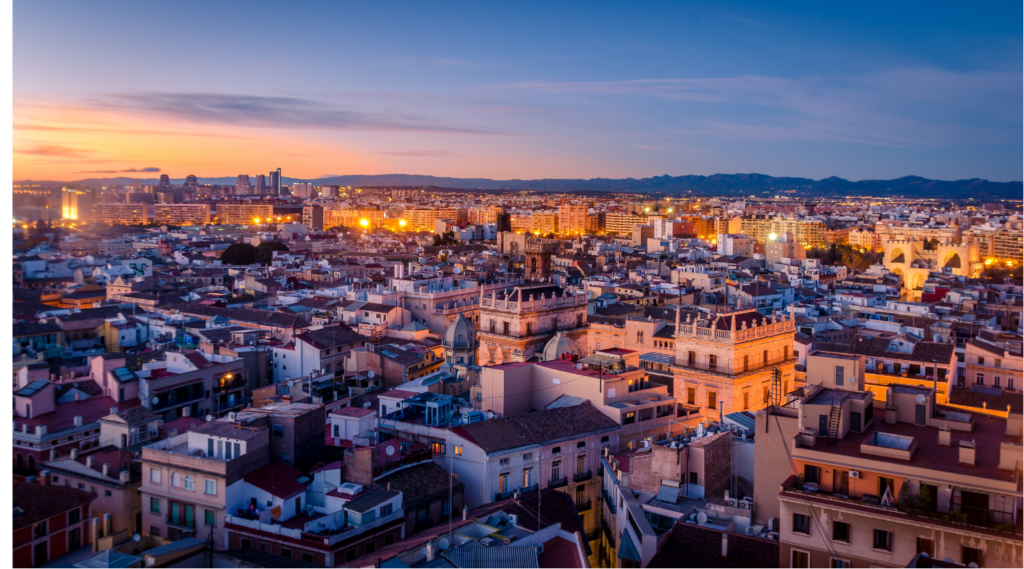
Old Town, or Ciutat Vella, is a great choice for first-time visitors. It places you in the center of the city, close to major attractions like the cathedral, historic squares, and museums. You can walk to most places, which makes it easy to explore and enjoy the historic setting.
Ruzafa, also called Russafa, is the city’s trendiest area. It has a lively nightlife, a creative feel, and a strong food scene. You will find cafés, small shops, and many bars and restaurants. This area suits travelers who want a more modern and active atmosphere.
The beach area, including Malvarrosa and Cabanyal, suits a relaxed stay by the sea. You stay close to the beach, with easy access to restaurants and a slower pace. It works well in summer, or if you want to mix city time with beach time.
Valencia also fits a wide range of budgets. You can find hostels and budget hotels, many mid-range options, and some high-end hotels. Compared to other major cities in Spain, prices are often lower, which gives good value for your stay.
Getting Around Valencia
Getting around Valencia is easy, affordable, and convenient. It is a great city for first-time visitors.
The public transport system works well and connects the whole city. You can use the metro, buses, and trams to reach most main attractions, including the airport and the beach. If you stay for a few days, a transport card helps you save money on multiple trips.
Cycling is one of the best ways to explore the city. Valencia is very bike-friendly, with clear cycling paths across many areas. The Turia Gardens offer a safe and scenic route through the city. You can find bike rentals easily, and prices are reasonable.
The city center is easy to walk, especially in the Old Town. Many main sights sit close together, so walking often works best. It also lets you find small streets, local shops, and cafés.
To travel between the airport and the city, the metro is the simplest option. The trip takes about 20 to 30 minutes. You can also use taxis or ride services if you want a direct ride.
Overall, the city’s layout is compact, and transport options are strong. You can move around easily by walking, cycling, or using public transport.
Sample 2–3 Day If you visit Valencia for a short trip, this simple plan helps you see the main highlights without rushing.
Day 1: Discover the Historic Center
Start in the Old Town. Visit the Valencia Cathedral and climb the tower for city views. Then walk through Plaza de la Virgen and the nearby streets of El Carmen. In the afternoon, walk or bike through the Turia Gardens. End your day with dinner at a traditional restaurant in the city center.
Day 2: Modern Valencia and the Beach
Visit the City of Arts and Sciences in the morning. Explore its modern buildings, such as the Oceanogràfic or the Science Museum. Later, go to Malvarrosa Beach and relax by the sea. In the evening, have dinner by the beach. This is a good time to try paella.
Day 3: Nature and Local Experiences (Optional)
If you have more time, visit Albufera Natural Park just outside the city. Take a boat ride through the rice fields and enjoy the calm setting. Stay for sunset, as it is one of the best in the area. You can also use this day to visit local markets, try more local food, or return to places you liked.
This plan gives you a full experience of Valencia. It combines culture, modern sights, and nature.
Valencia vs Seville vs Malaga
If you are choosing between Valencia, Seville, and Malaga, the main difference comes down to travel style.
Valencia is the most balanced option. You get beaches, modern attractions, green spaces, and a more relaxed, less touristy feel. It works well if you want variety without big crowds.
Seville is more traditional and focused on culture. You visit for history, architecture, and atmosphere. It feels more intense and immersive, especially for a first-time trip to Spain.
Malaga is more about beaches and a holiday vibe. It is easy, sunny, and popular, but also more touristy. It works best if your main goal is to relax by the sea.
If you want balance, choose Valencia.
If you want culture, choose Seville.
If you want a beach holiday, choose Malaga.

Travel Tips for Valencia
Before you visit Valencia, here are a few practical tips to help you get the most out of your trip.
Language: Spanish is the main language, and you will also see Valencian, a regional language similar to Catalan. In tourist areas, many people speak basic English, but it helps to know a few simple Spanish phrases.
Cash and Payments: Most places accept credit and debit cards, but it is still useful to carry some cash. Small cafés, shops, and markets may prefer cash.
Tipping: Tipping is not required in Spain, but people appreciate it. You can round up the bill or leave a small tip, around 5 to 10 percent, for good service.
Safety: Valencia is a safe city, even at night. Still, watch your belongings in busy areas to avoid pickpocketing.
Dining Culture: People eat lunch late, usually between 1:30 and 3:30 PM. Dinner often starts after 8:30 PM. Paella is usually eaten at lunch, not dinner.
What to Pack: Bring comfortable walking shoes, especially for the Old Town. In summer, pack light clothes, sunscreen, and a hat, as the weather can get hot.
With these tips, you can enjoy your time in Valencia with ease.

Final Thoughts
Valencia brings together history, modern design, and a relaxed feel. It stands out as one of the most rewarding places to visit in Spain. You can walk through historic streets, explore modern buildings, or enjoy a calm meal by the sea. The city offers a rich experience, but it never feels rushed.
What makes Valencia special is its balance. You get the culture and energy of a big city, but without large crowds. You also get beaches, great food, and a friendly local feel. You can move at your own pace and still have a meaningful experience.
If you want a place that offers culture, food, nature, and sunshine, Valencia is a strong choice. After your visit, you may want to return again.
Pingback: Valencia Travel Tips: 8 Smart Tips for an Incredible First Visit | Rovenect
Pingback: What to Pack for Valencia: 12 Essential Items for a Perfect Trip | Rovenect
Pingback: Where to Eat in Valencia: 12 Best Restaurants You Must Try | Rovenect
Pingback: Valencia or Malaga: 6 Key Differences to Choose the Perfect Trip | Rovenect
Pingback: How to Get Around Valencia: 7 Essential Tips for an Easy Trip | Rovenect
Pingback: Day Trips from Valencia: 8 Incredible Places You Can’t Miss | Rovenect