

Valencia is one of the easiest cities to visit in Spain, but a few key tips make your trip smoother and more enjoyable. Small details matter. Local dining habits, the right neighborhood, and how you get around all shape your experience.
Valencia feels more relaxed and more affordable than cities like Barcelona or Madrid, but it has its own rhythm and culture. You see late meal times. You learn when to eat paella. You figure out public transport. These things can surprise first-time visitors if they are not ready.
In this guide, you find practical Valencia travel tips. They help you save time, avoid common mistakes, and experience the city more like a local.
1. Getting Around
Getting around Valencia is easy and affordable with a few smart choices.
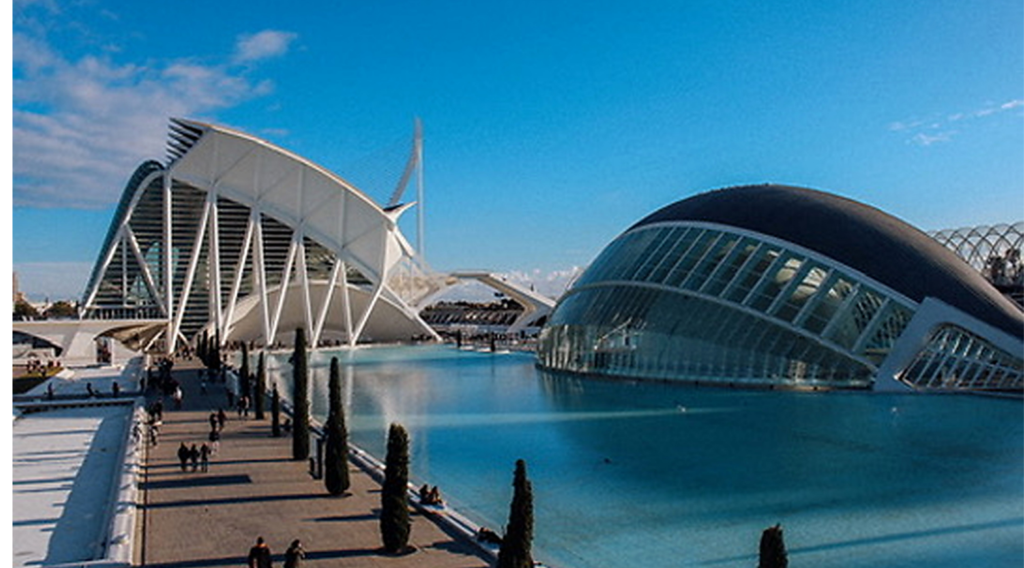
Take the metro from the airport. It is quick, cheap, and connects well to the city center. Once you arrive, rent a bike. It is one of the best ways to get around. The city supports cycling, and the Turia Gardens offer a safe, scenic route across town.
In the Old Town, walk. It is often the easiest way to explore, since everything sits close together.
Avoid renting a car. Parking is hard to find and not needed for most visitors. If you plan to use public transport often, get a transport card. It helps you save money.
2. Accommodation Tips
Choosing the right area makes a big difference in your Valencia experience.
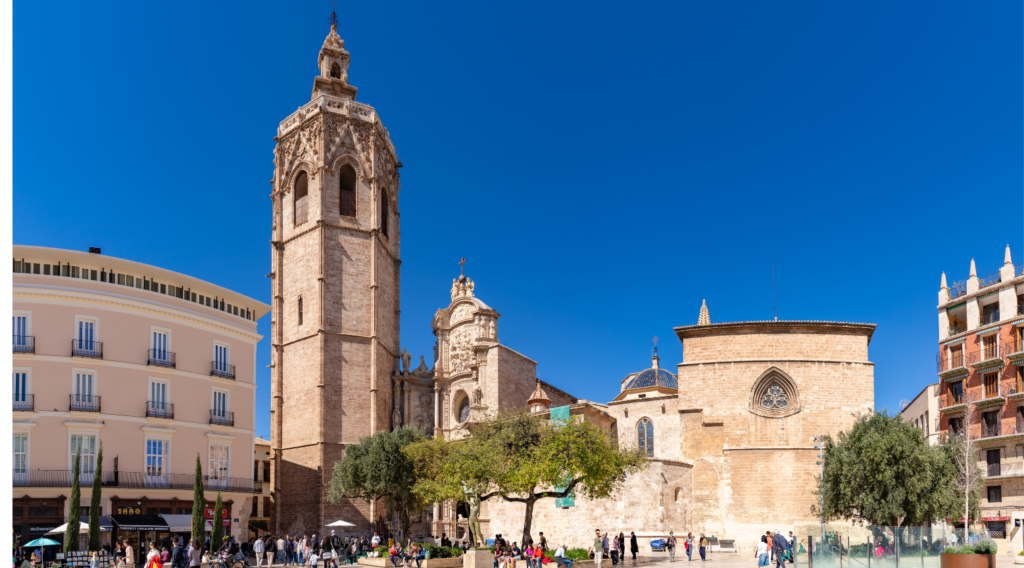
Stay in the Old Town (Ciutat Vella) if it is your first visit. You stay close to major attractions, and you can explore on foot. Choose Ruzafa if you want a lively, trendy area. It has many restaurants and strong nightlife. For a more relaxed stay, pick the beach area, especially in summer.
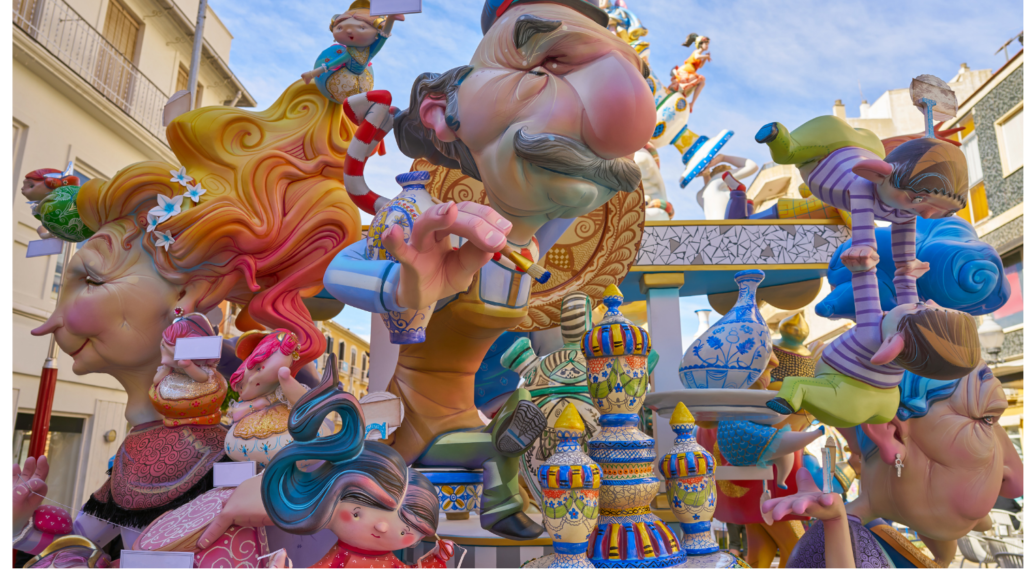
If you visit during peak seasons or festivals like Las Fallas, book your place early. Prices rise, and options become limited.
Pick your location based on your travel style. Stay central for convenience. Choose trendy areas for nightlife. Go coastal if you want to relax.
3. Food & Dining Tips
Food plays a big part in the Valencia experience, but a few tips help you avoid common mistakes.
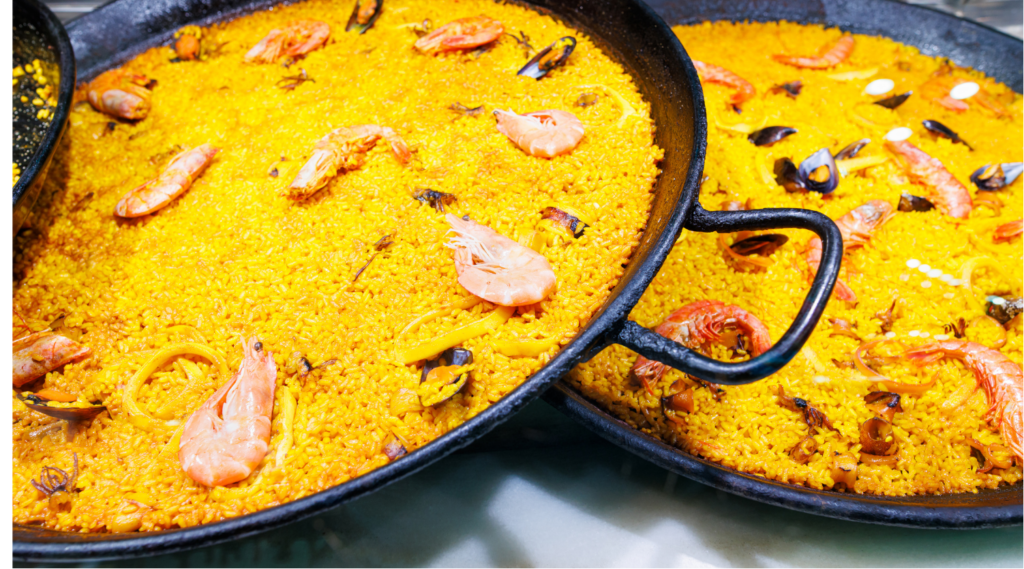
Eat paella at lunch, not dinner. This is when locals eat it, and the experience feels more authentic. Avoid touristy restaurants near major squares. Look for places where locals eat.
Try horchata with fartons, especially on a warm day. It is a local specialty you should not miss.
Keep meal times in mind. They run later than in many countries. Lunch is around 1:30–3:30 PM. Dinner often starts after 8:30 PM.
If you want to try a popular restaurant, make a reservation in advance. This helps, especially on weekends.
4. Money-Saving Tips
Valencia is more affordable than many major European cities, but a few simple tips help you save more.
Try the menú del día. Many restaurants offer this set lunch menu with several courses at a good price. It is one of the best value meals you can find.
Use a transport card if you plan to take public transport often. It costs less than buying single tickets.
Many top experiences in Valencia are free. Walk through the Old Town. Relax in the Turia Gardens. You do not need a big budget to enjoy the city.
With some planning, Valencia is an easy place to travel well without spending too much.
5. Cultural & Local Tips
Understanding a few local habits helps you blend in and avoid confusion.
Valencia follows a later daily schedule. Lunch and dinner come much later than in many countries. Plan your day around this, or you may find restaurants closed.
Many people speak some English, but learning a few basic Spanish phrases helps. Locals appreciate the effort.
Tipping is optional in Spain. You can round up the bill or leave a small amount for good service. No one expects it.
Also, note siesta hours. Smaller shops may close in the afternoon for a few hours, then open again in the evening.

6. Safety Tips
Valencia is a safe city, but you still need to stay aware of your surroundings.
Watch out for pickpocketing. It happens in crowded areas like the Old Town, public transport, and popular attractions. Keep your belongings secure. Do not carry valuables in easy-to-reach pockets.
If you go to the beach, do not leave your items unattended while you swim. Many travelers make this mistake.
At night, the city feels safe, but stick to well-lit areas. Take normal precautions, as you would in any city.
With some awareness, you are unlikely to face any issues during your visit.

7. What to Pack for Valencia
What you pack for Valencia depends on the season, but a few essentials work all year.
Bring comfortable walking shoes. You will spend a lot of time exploring on foot. In warmer months, pack light clothes, sunscreen, and a hat. Temperatures can get high.
Carry a reusable water bottle, especially in summer. It helps you stay hydrated while you walk around.
In cooler months, bring a light jacket or layers. Winters in Valencia stay mild, so you do not need heavy clothing.
Pack smart, and you stay comfortable. It also helps you enjoy your trip without hassle.

8. Common Mistakes to Avoid
Avoid a few common mistakes to make your trip to Valencia more enjoyable.
Do not eat paella in tourist-heavy spots, especially near main squares. These places often charge more and offer less authentic food. Look for local restaurants instead.
Do not underestimate the summer heat. If you visit in July or August, plan activities for the morning or evening. Stay indoors during peak afternoon hours.
Do not stay too far from the center. It makes getting around less convenient. Choose the right neighborhood to save time and effort.
If you visit during major events like Las Fallas, book in advance. Prices go up, and options become limited.
Pay attention to these details. They help you avoid stress and make the most of your time in Valencia.
Final Thoughts
Valencia is easy to enjoy, especially when you understand a few local habits and plan ahead. With the right approach, you avoid common mistakes, save money, and experience the city in a more relaxed and authentic way.
From getting around to knowing when and where to eat, these simple tips make a clear difference in your trip. Valencia does not need complex planning, but some preparation helps a lot.
Keep these tips in mind, and focus on what matters most: the food, the atmosphere, and the city’s unique charm.
Pingback: Valencia Travel Guide 2026: Top Attractions, Food & Best Tips | Rovenect
Pingback: Valencia or Seville: 10 Key Differences to Choose the Perfect City | Rovenect
Pingback: Valencia City Break: 3 Perfect Days for an Amazing Trip | Rovenect