
Choosing between Valencia or Seville is not easy, as both rank among the most popular cities to visit in Spain. Each city offers great experiences, but they differ in atmosphere, attractions, and travel style.
Valencia is a coastal city. It is known for modern buildings, beaches, and a relaxed pace. Seville has strong ties to history and tradition, and it reflects classic Andalusian culture. Your choice depends on the kind of trip you want, whether you prefer a calm Mediterranean break or a trip focused on history and culture.
In this guide, we compare Valencia and Seville across key points, like things to do, food, weather, cost, and overall vibe. This helps you choose the city that fits your trip best.
Overview: Valencia vs Seville
Valencia and Seville offer two different travel experiences, even though both are in Spain.
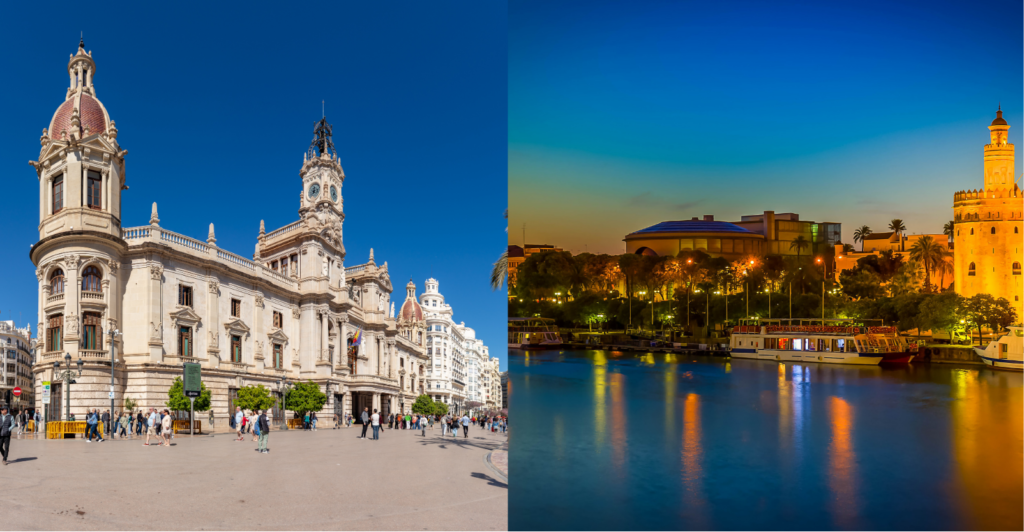
Valencia sits on the east coast by the Mediterranean Sea. The city has a modern feel, with open spaces, beaches, and a relaxed local vibe. It mixes historic areas with modern buildings, which creates a clear contrast between old and new.
Seville sits inland in southern Spain, in the Andalusia region. The city has strong roots in tradition and culture. Flamenco, historic sites, and old architecture shape its identity. It feels more classic and immersive, especially if you are interested in Spanish history and culture.

1. Attractions & Things to Do
Valencia and Seville both offer great attractions, but the experiences feel different.
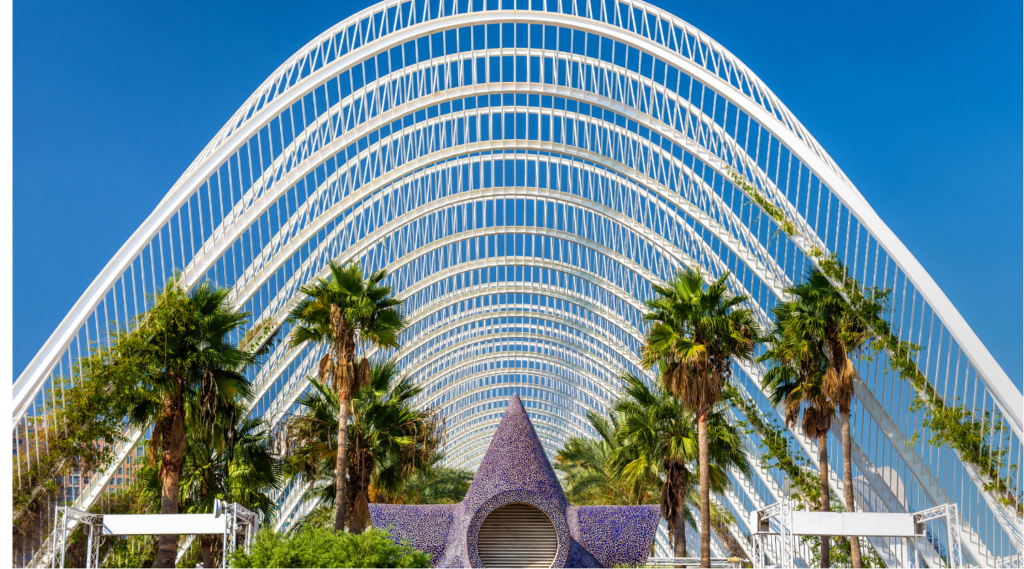
Valencia focuses on modern sights and outdoor spaces. The City of Arts and Sciences stands out as one of the most unique places in Spain. It has futuristic buildings, a science museum, and Europe’s largest aquarium. The Turia Gardens stretch through the city and give you a long green space for walking or biking. Nearby beaches give you a chance to relax after sightseeing.
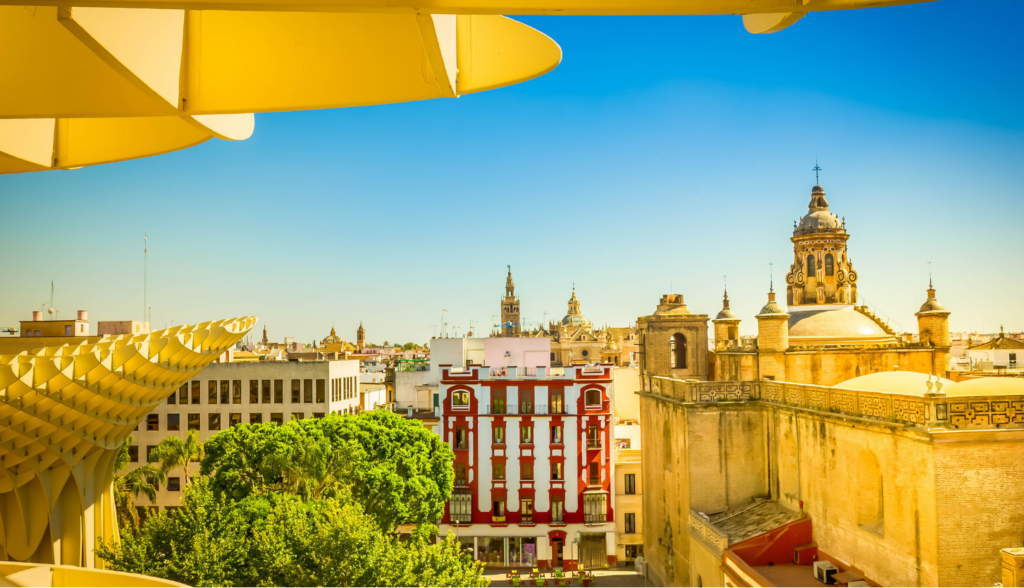
Seville focuses on history and culture. The Royal Alcázar is one of the most impressive palaces in Spain. The Seville Cathedral is one of the largest in the world and draws many visitors. Plaza de España is another famous spot, known for its grand design and open setting.
2. Food Scene
Food stands out in both cities, but each one offers a different dining style.
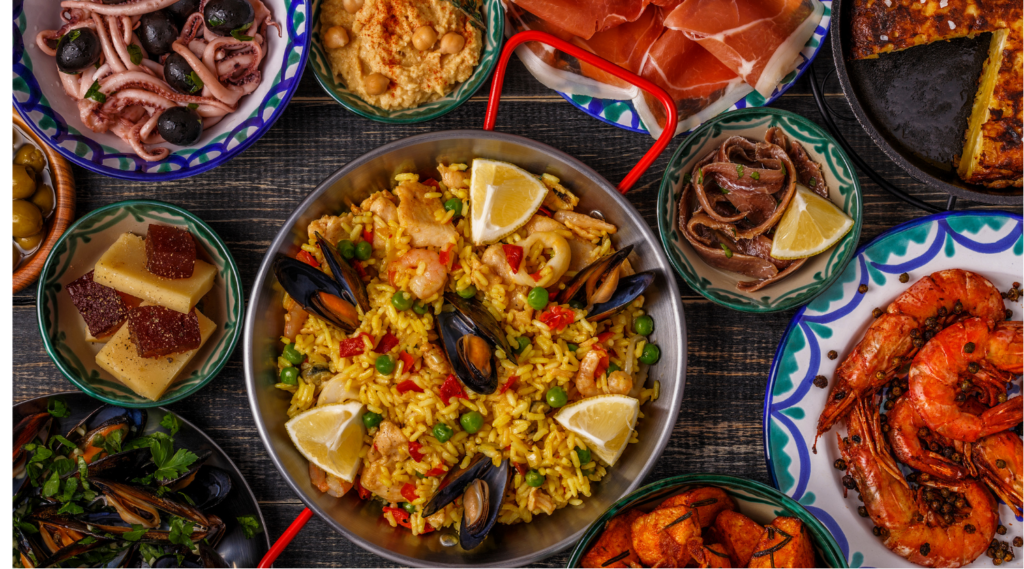
In Valencia, the cuisine focuses on rice dishes and fresh seafood. This is the home of paella, so you should try a real paella Valenciana. You also find light coastal flavors and local drinks like horchata.
In Seville, the food scene centers on tapas. People eat in a more social way, with small dishes shared across different places. You find traditional Andalusian food, cured meats, fried seafood, and busy local bars with strong character.

3. Weather & Best Time to Visit
Valencia and Seville both get a lot of sun, but their climates differ.
Valencia has a Mediterranean climate. Winters stay mild, and summers feel warm. A coastal breeze helps reduce the heat. You can visit most of the year, with spring and fall as the best times.
Seville gets much hotter summers because it sits inland. In July and August, temperatures often pass 40°C (104°F), which makes daytime sightseeing hard. Spring and fall bring more comfortable weather, and they are the best times to visit.

4. Cost Comparison
Valencia and Seville both feel affordable compared to other major European cities, but a few small differences matter.
Valencia is usually a bit cheaper, especially for places to stay. You often find better deals on hotels and apartments, mainly outside peak summer. Food also stays affordable, with many well-priced restaurants and lunch options.
Seville can cost more, especially in high season and during major events. Prices for places to stay can rise fast, and popular areas get expensive. Still, food, especially tapas, can stay budget-friendly if you eat like a local.
5. Beaches & Nature
This is one of the main differences between Valencia and Seville.
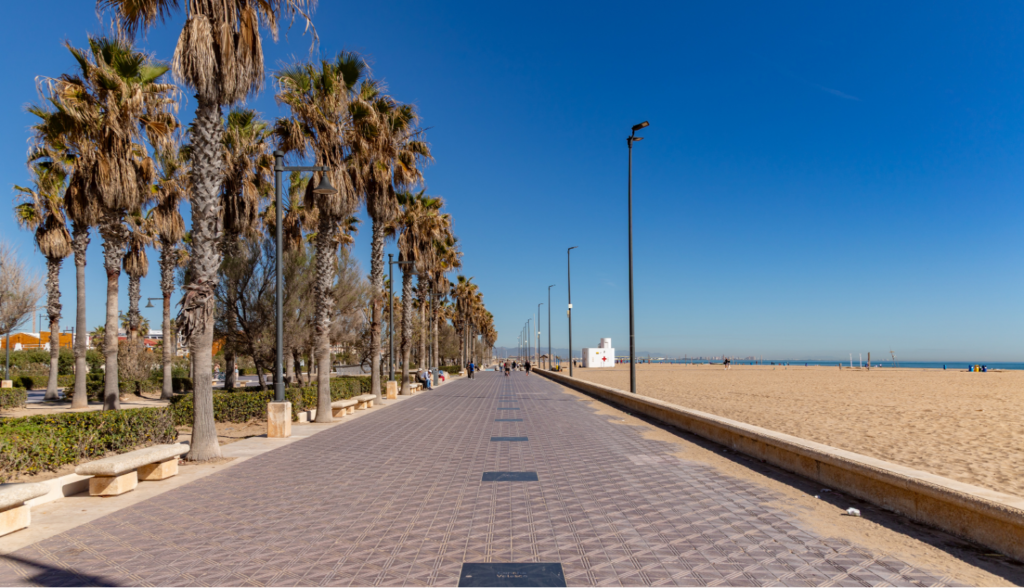
Valencia offers direct access to the Mediterranean. You can visit wide sandy beaches like Malvarrosa, just a short distance from the city center. The city also gives easy access to Albufera Natural Park, known for rice fields, boat rides, and sunset views.
Seville sits inland, so it has no nearby beaches. The closest ones are about 1.5 to 2 hours away, which makes quick trips hard. The city has parks and green areas, but it does not offer the same link to nature as Valencia.

6. Culture & Atmosphere
The overall feel of Valencia and Seville is very different, and this often shapes your choice.
Valencia feels more modern and relaxed. The city mixes historic areas with modern design, and it moves at a slower pace. It also feels more local and less crowded with tourists. It suits you if you want a balanced city with space, greenery, and a calm feel.
Seville feels traditional and full of character. It is known for flamenco, historic buildings, and strong Andalusian culture. The city feels lively and immersive, especially in the evening when streets and tapas bars fill up.
7. Getting Around
Both Valencia and Seville are easy to get around, but they offer different experiences.
Valencia has a strong public transport system, with metro, buses, and trams. The city also supports cycling, with dedicated bike paths and a flat layout that makes biking easy.
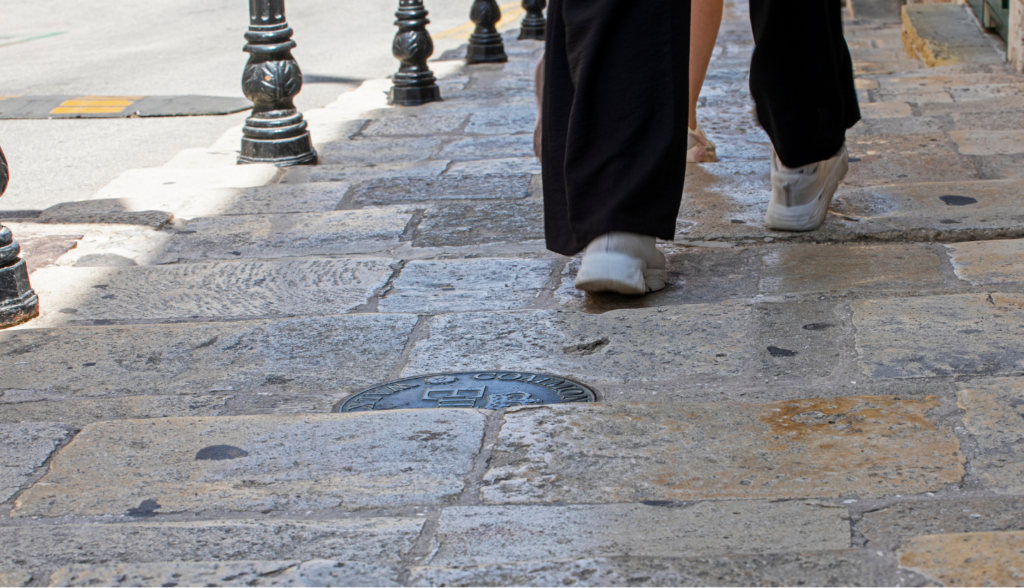
Seville is more compact, especially in the city center, which makes walking simple. Many main sights sit close to each other, and walking through the streets feels like part of the experience. The city also has trams and buses, but you use them less than in Valencia.

8. Nightlife
Nightlife in Valencia and Seville feels different, depending on your style.
Valencia offers a more modern and varied nightlife. You find trendy bars, clubs, and beachside spots, especially around Ruzafa and the marina. It suits you if you enjoy both relaxed drinks and late nights.
Seville feels more traditional but still lively. Nights often center on tapas bars and social time, with a slower pace. The city gets busy in the evening, and people move from one bar to another instead of staying in one place.

9. Which City is Better for You?
Choosing between Valencia and Seville comes down to your travel style and what you want from your trip.
Choose Valencia if you want beaches, modern sights, and a relaxed feel. It suits travelers who want variety, with a mix of culture, nature, and coastal experiences in one place.
Choose Seville if you care more about history, tradition, and culture. It fits those who want to see famous landmarks, enjoy tapas, and experience a classic Andalusian feel.
If it is your first time in Spain, Seville may feel more traditional, while Valencia offers a more balanced and less intense start.
If you can, visit both cities. If not, choose the one that matches your travel style.
Final Verdict
There is no single better choice between Valencia and Seville. Each city offers a different experience.
Valencia stands out for its beaches, modern sights, and relaxed feel, which makes it a good choice for an easy and balanced trip. Seville focuses on history, culture, and tradition, and it offers a more immersive and classic Spanish experience.
If you want variety and a coastal feel, choose Valencia. If you want strong culture and famous landmarks, Seville is the better option.
If your plan allows it, visit both cities to see more of what Spain offers.
Pingback: Valencia Travel Guide 2026: Top Attractions, Food & Best Tips | Rovenect