
Food in Valencia is more than a highlight of the trip. It is a big part of the city’s identity. This is where paella starts. The local food culture uses simple ingredients, follows traditional recipes, and values doing things the right way.
One thing to know early, Valencian food is not the same as what most people call “Spanish food.” Dishes follow local traditions, especially with rice. You might expect seafood paella at dinner, but locals do not eat it that way.
So it helps to know a few details before you go. Learn what real paella looks like, where to eat it, and when to order it. Small choices can change your experience.
In this guide, you will find exactly what to eat in Valencia.
- Paella Valenciana (What It Actually Is + Where to Eat It)
- Other Local Rice Dishes You Should Try
- Must-Try Local Drinks & Sweets
- Tapas & Everyday Food Culture
- Central Market Food Experience (What to Try There)
- When to Eat (Important Local Timing)
- Food Mistakes to Avoid in Valencia
- How Much Food Costs
- Final Thoughts
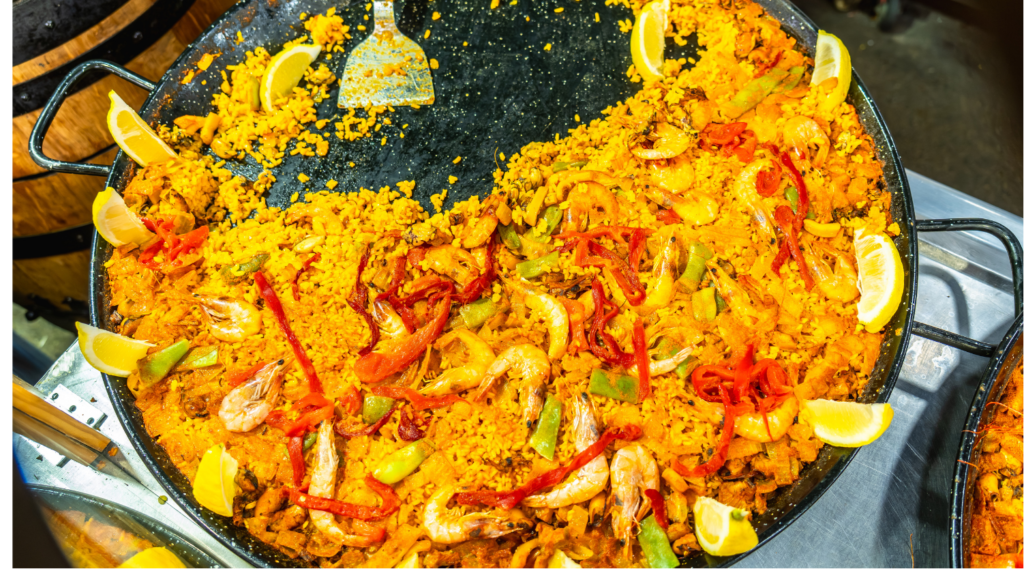
Paella Valenciana (What It Actually Is + Where to Eat It)
If there is one dish you need to understand in Valencia, it is paella Valenciana. It is not what you expect.
The traditional version uses chicken, rabbit, green beans, and saffron rice. It does not include seafood. Many visitors think of paella as a mixed seafood dish, but that is a variation, not the original.
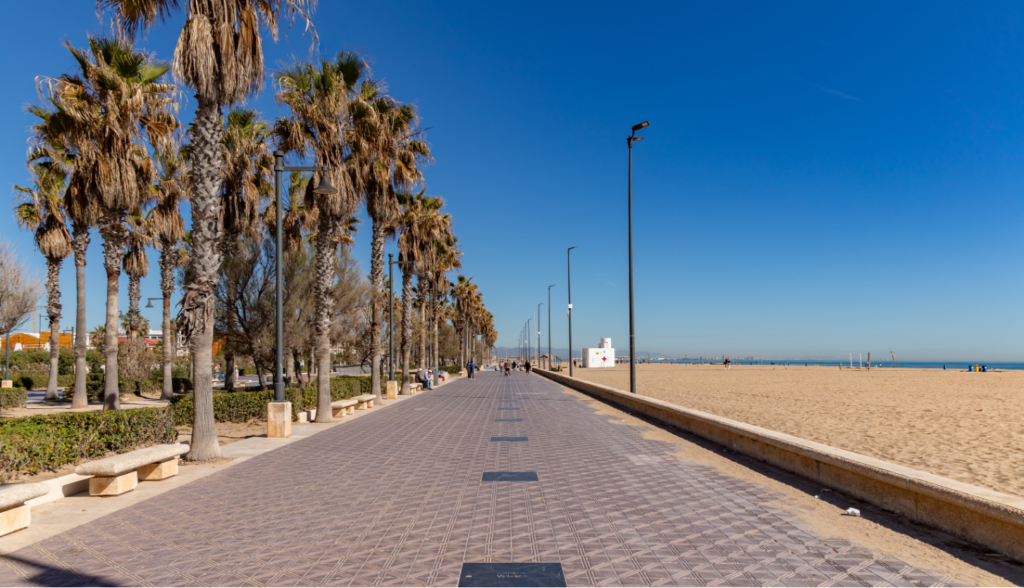
Where you eat matters as much as what you order. For a more authentic experience, go to the Malvarrosa beach area, or head outside the city to Albufera, where paella starts. These places usually make it fresh, not pre-prepared.
Timing matters too. Locals eat paella at lunch, usually between 1:30 and 3:30 PM. Ordering it at dinner is a common tourist mistake. In many good restaurants, you will not find it in the evening.
To avoid bad paella, stay away from restaurants with large photo menus or staff who try to pull you in. Look for places where locals eat, and where they cook paella to order.
Get this right, and it will likely be a highlight of your trip. When it is done well, paella in Valencia feels very different from what you have had elsewhere.
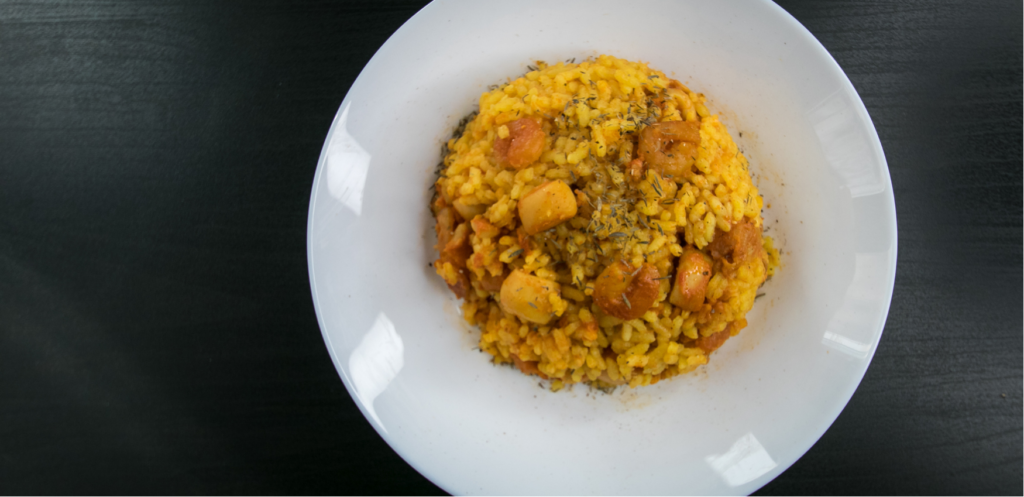
Other Local Rice Dishes You Should Try
Paella gets most of the attention, but Valencia has other rice dishes worth trying. Some may even suit your taste better.
One popular option is arroz a banda. It uses rice cooked in a rich fish broth. The dish often comes separate from the seafood. This gives the rice a deep flavor without feeling heavy.
Another strong choice is arroz negro. It uses squid ink, which gives the rice a dark color and a more intense, savory taste. It often comes with aioli on the side, which helps balance the flavor.
If you want something different, try fideuà. It is similar to paella, but it uses short noodles instead of rice. It usually includes seafood and cooks in the same wide pan.
If you’re unsure what to choose:
- Go for arroz a banda if you want something lighter and seafood-focused
- Try arroz negro for a stronger, more unique flavor
- Pick fideuà if you want a break from rice but still a local experience
You can find these dishes across the city, especially near the coast. They give you a wider view of Valencia’s food culture, not just paella.
Must-Try Local Drinks & Sweets
Valencia has a few local drinks and sweets worth trying. You will not find them as often in other parts of Spain.
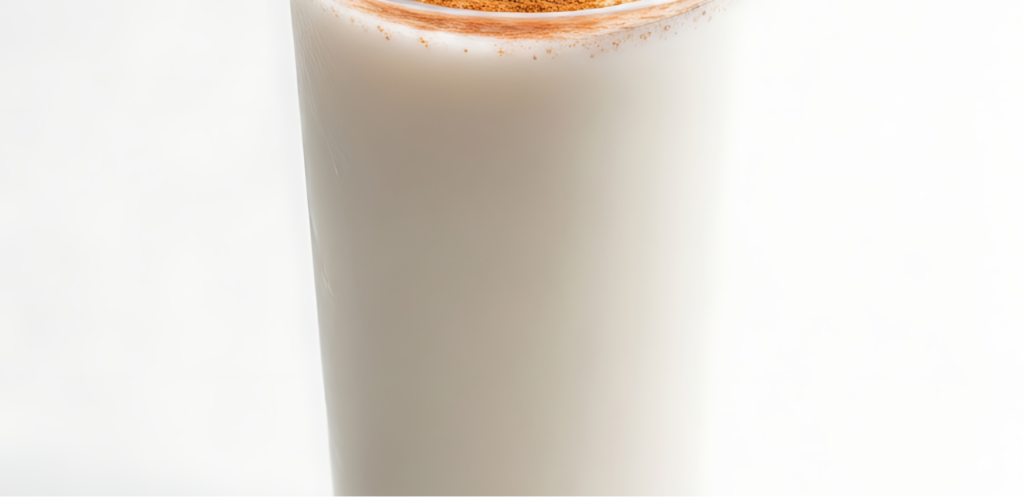
The most famous is horchata. It is a cold drink made from tiger nuts (chufa). It has a light sweet, nutty taste and feels refreshing in warm weather. A good place to try it is Alboraya, just outside Valencia, known for horchata.
Horchata often comes with fartons. These are long, soft pastries made for dipping. The mix is simple and very local. People often enjoy it in the afternoon.
Another local favorite is Agua de Valencia. It is a cocktail with orange juice, cava, vodka, and gin. It tastes light, but it is quite strong.
These are easy to try between meals. They give you a better sense of Valencia’s food culture beyond main dishes.
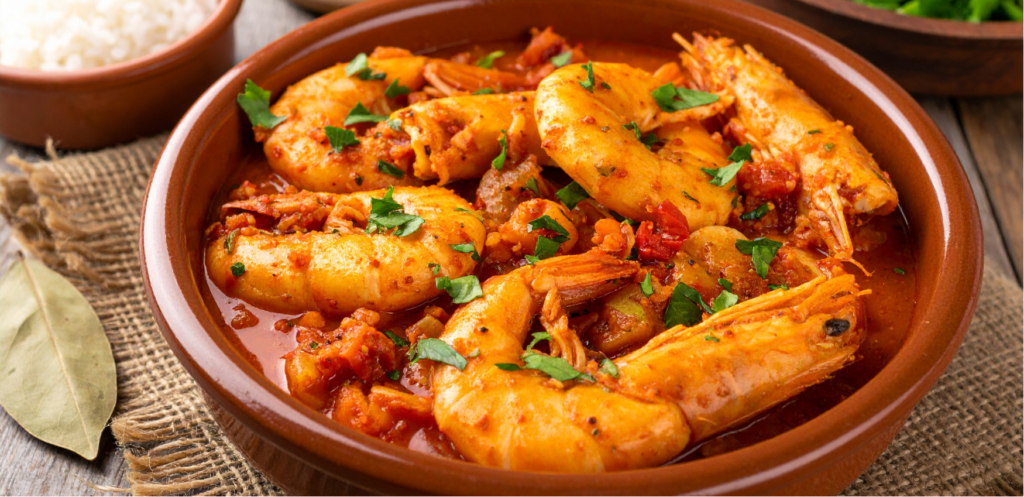
Tapas & Everyday Food Culture
Paella is the most famous dish, but locals do not eat it every day. Most meals in Valencia are simpler and more casual.
A typical meal includes tapas, small dishes made for sharing. You will see options like patatas bravas, calamari, and croquetas almost everywhere. People order a few plates, share them at the table, and do not eat them alone.
Eating feels relaxed. People take their time, order in rounds, and stay at the table longer than you might expect. It is normal to start with a couple of dishes, then add more if you are still hungry.
If you want to eat like a local, do not focus only on big meals. Stop at a casual place, order a few small plates, and take your time. This is a big part of everyday food culture in Valencia.
Central Market Food Experience (What to Try There)
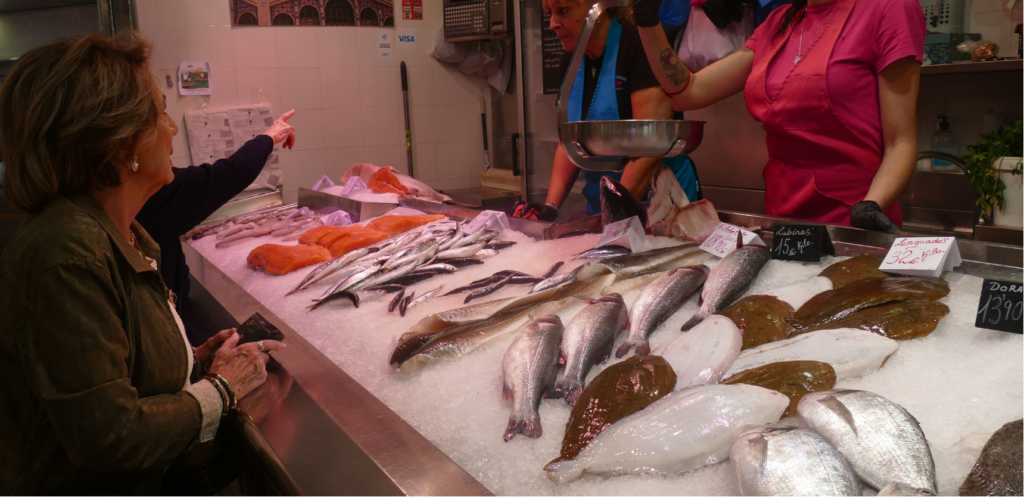
The Mercado Central is a great place to see and taste Valencia’s food culture in one spot.
When you walk in, head to the jamón ibérico stalls. You will see legs of cured ham hanging, sliced fresh. Many vendors offer small portions, so you can try some without ordering a full meal.
Next, look for fresh orange juice. It is common here because of the nearby orange farms. It is simple, but it tastes much fresher than what you may find elsewhere.
You will also see local cheeses, olives, and small snacks. These are easy to try as you walk around. The goal is not to sit for a full meal, but to move through the market, try a few things, and see the variety.
Go in the morning, before 11 AM if you can. It feels less crowded and more local. It is an easy stop near other sights, and it gives you a quick, real look at Valencia’s food scene.

When to Eat (Important Local Timing)
One easy way to improve your food experience in Valencia is to follow the local eating schedule.
Breakfast is light. People usually have coffee and a pastry. It is not a big meal, and many places do not offer full breakfast menus.
Lunch is the main meal of the day. People eat it between 1:30 and 3:30 PM. This is when locals order paella and other rice dishes.
Dinner starts late, often after 8:30 PM. Many restaurants do not open before then. Dinner is often lighter, especially after a big lunch.
Many restaurants also close between lunch and dinner, often from 4:00 to 8:00 PM. If you try to eat then, you will have fewer options.
Follow this schedule, and it will make a big difference. You avoid closed kitchens and places that focus only on tourists.

Food Mistakes to Avoid in Valencia
A few common mistakes can lead to a poor food experience in Valencia, even though the city has great cuisine.
One big mistake is ordering paella at dinner. Many good restaurants serve it only at lunch. If you find it at night, it is often not freshly made.
Another issue is choosing restaurants in very touristy areas without checking quality. Places with photo menus, many languages, or staff trying to pull you in are usually not the best. They focus on convenience, not quality.
Many visitors also skip reservations, especially for popular spots near the beach or in Ruzafa. This can mean long waits or settling for lower quality places.
Some people also stick to familiar dishes and skip local food. This means they miss what makes Valencia special. Trying different rice dishes or local drinks can change your experience.
Avoid these mistakes, and you will eat better without spending more.
How Much Food Costs
Food in Valencia is usually affordable, but prices change based on where and what you eat.
A typical paella costs about €12–25 per person. The price depends on the restaurant and location. Beachfront places cost a bit more, but they often offer better quality.
Tapas usually cost €3–8 per dish. The price depends on what you order. Sharing a few plates often gives you a good meal at a fair price.
Drinks are also reasonable. A glass of horchata costs about €2–4. A beer or a glass of wine is often in the same range.
If you want to save money, try the menú del día. It is a set lunch menu with several courses and a drink for one price. It offers good value.
You can eat well in Valencia without spending much. Avoid very touristy places and choose local spots.
Final Thoughts
Food in Valencia is simple, local, and tied to tradition. It is not about complex dishes or presentation. It is about good ingredients and proper cooking.
If you eat at the right places, go at the right times, and choose dishes that are truly local, your experience will feel very different from a typical tourist meal.
You do not need expensive restaurants to eat well. Some of the best meals come from simple places that focus on a few things and do them well, especially rice dishes.
With some awareness and the tips in this guide, you can experience Valencia’s food scene in a way that feels real and worth it.
Pingback: Where to Eat in Valencia: 12 Best Restaurants You Must Try | Rovenect
Pingback: Things to Do in Valencia Spain: A Practical Guide for First-Time Visitors | Rovenect