
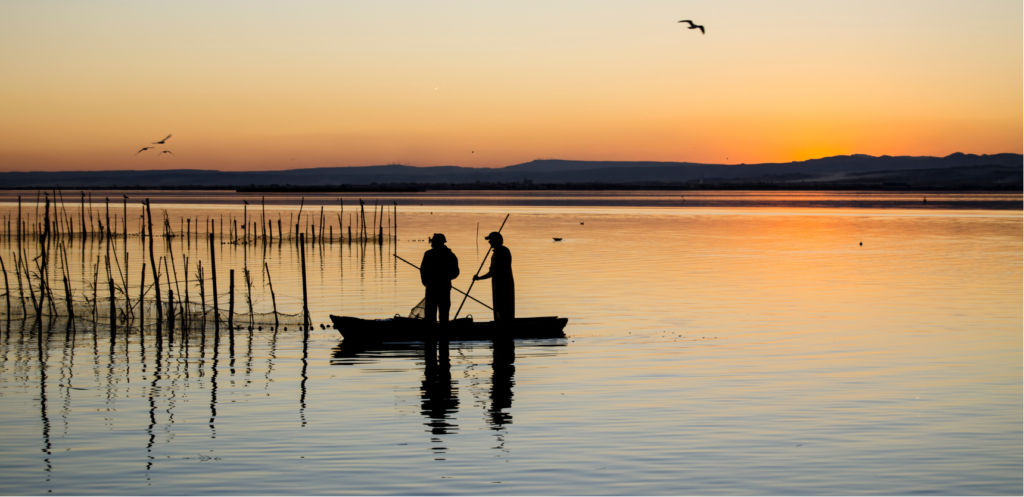
Valencia is known for its food, festivals, beaches, and modern architecture. It is Spain’s third-largest city and offers a mix of everyday local life and well-known attractions. Many people visit for a few specific highlights, but once you arrive, you quickly see there is more to it.
If you are planning a trip or just curious, it helps to understand what actually defines Valencia. Some things are famous worldwide, while others are more local but still shape the experience of the city. This guide breaks down what is Valencia known for in a clear and practical way.
Paella and Local Food Culture
Food is one of the strongest reasons people associate Valencia with something specific. This is where paella comes from, and locals take that seriously. The traditional version is not seafood-based, as many expect. It usually includes chicken, rabbit, and local beans.
If you sit down at a restaurant and order paella, timing matters. Locals typically eat it at lunch, not dinner. Many places don’t even serve it in the evening. That small detail tells you how connected the dish is to daily routines rather than tourism.
Beyond paella, Valencia also has a simple but consistent food culture. Fresh produce from nearby farms shows up in most meals. You will notice oranges, rice dishes, and light Mediterranean flavors everywhere. The food is not complicated, but it is reliable and tied closely to the region.
Las Fallas Festival
If you visit in March, you will experience one of the most unusual festivals in Spain. Las Fallas is a large-scale event where neighborhoods build massive sculptures, often several stories high. These are displayed across the city for days.
At the end of the festival, most of these structures are burned. This is not symbolic in a quiet way. It is loud, crowded, and constant. Fireworks go off daily, and the city becomes very active from morning to night.
Even if you are not planning to visit during this time, Las Fallas is still part of Valencia’s identity. Locals spend months preparing for it, and it shapes how the city is organized during that season. It is one of the main reasons Valencia is known internationally.
City of Arts and Sciences
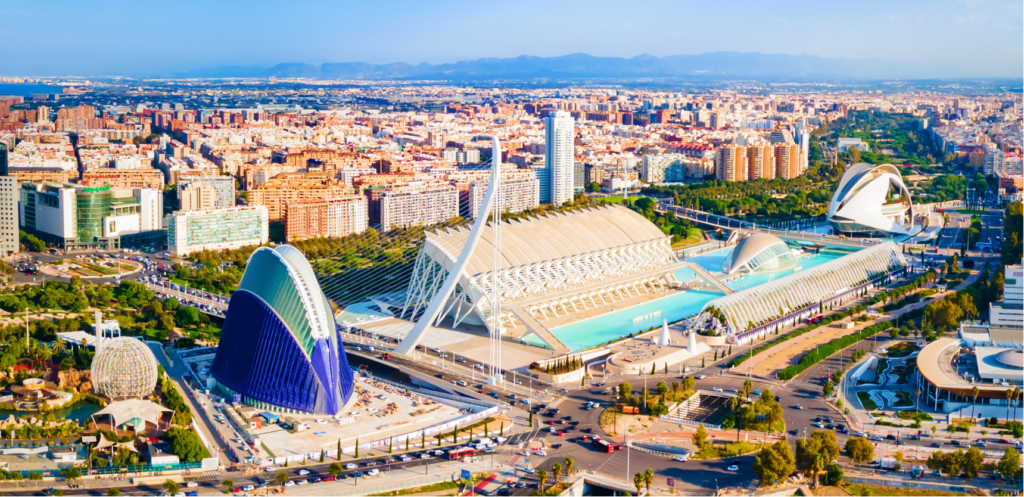
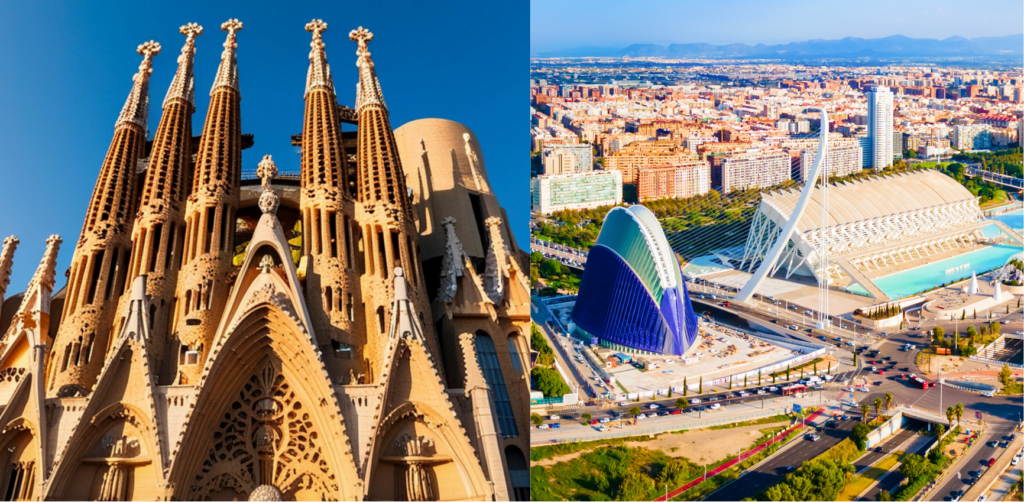
A completely different side of Valencia shows up in its modern architecture. The City of Arts and Sciences is a large complex with museums, an aquarium, and open spaces. The design is futuristic and stands out compared to the rest of the city.
When you walk through this area, it feels planned and structured. Wide paths, large buildings, and water features create a very different atmosphere from the older parts of Valencia. It is one of the most photographed places in the city.
You do not need to enter every building to enjoy it. Many visitors spend time just walking around the outside. It is also a practical place to visit if you are traveling with family, since several attractions are grouped together.
Beaches and Coastal Living
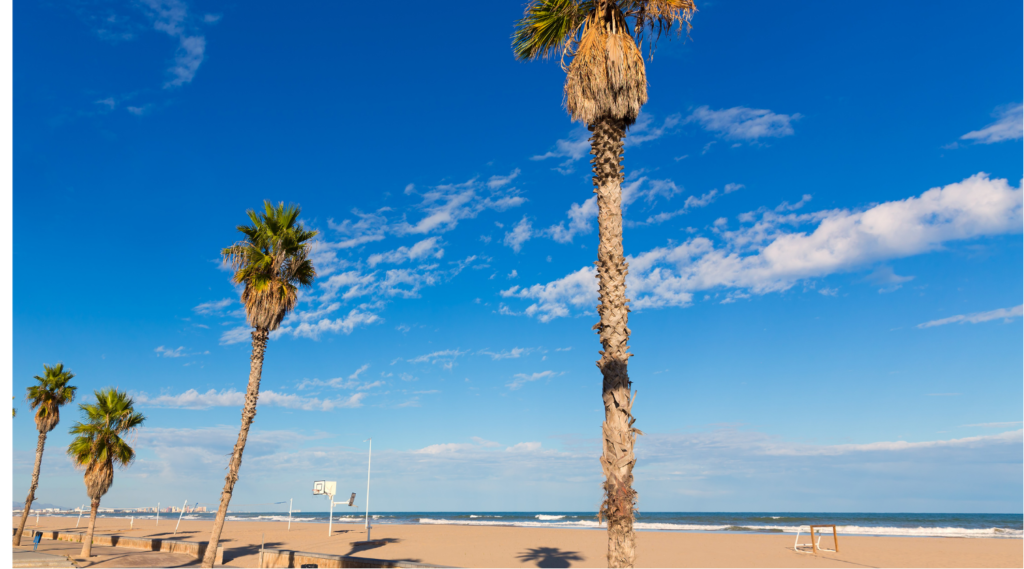
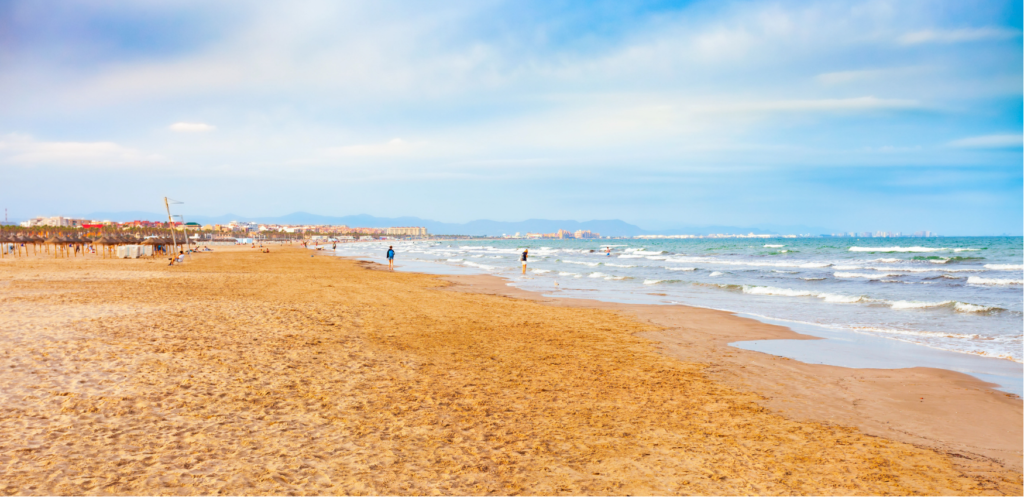
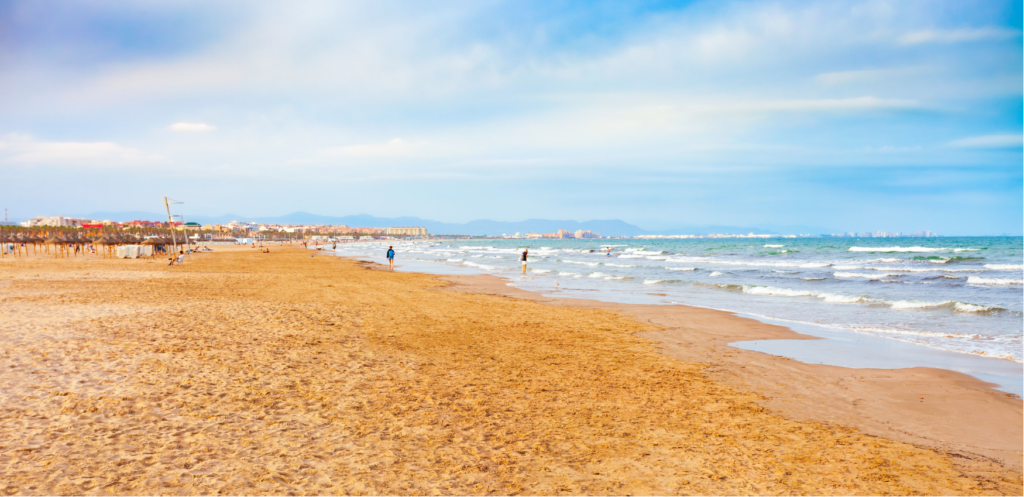
Valencia sits on the Mediterranean coast, so beaches are a natural part of daily life. Unlike some major cities, the beaches here are wide, flat, and easy to access. You can reach them quickly from the city center.
If you spend a few days in Valencia, you will likely notice how often people go to the beach casually. It is not treated as a special trip. Locals go for walks, short swims, or meals by the water without much planning.
Restaurants near the beach often specialize in rice dishes, including paella. Eating near the coast is a common experience and gives you a different view of the city compared to staying in the center.
Turia Garden and Green Spaces
One of the more practical things that defines Valencia is the Turia Garden. This is a long park built in a former riverbed that runs through the city. Instead of traffic or buildings, you get walking paths, sports areas, and open green space.
If you move around Valencia, you will probably cross this park more than once. It connects different parts of the city and gives people space to walk or cycle without dealing with roads.
For visitors, it is a useful way to explore. You can walk from one attraction to another without needing transport. It also breaks up the city layout and makes it feel less dense than other large Spanish cities.
Historic Center and Old Architecture
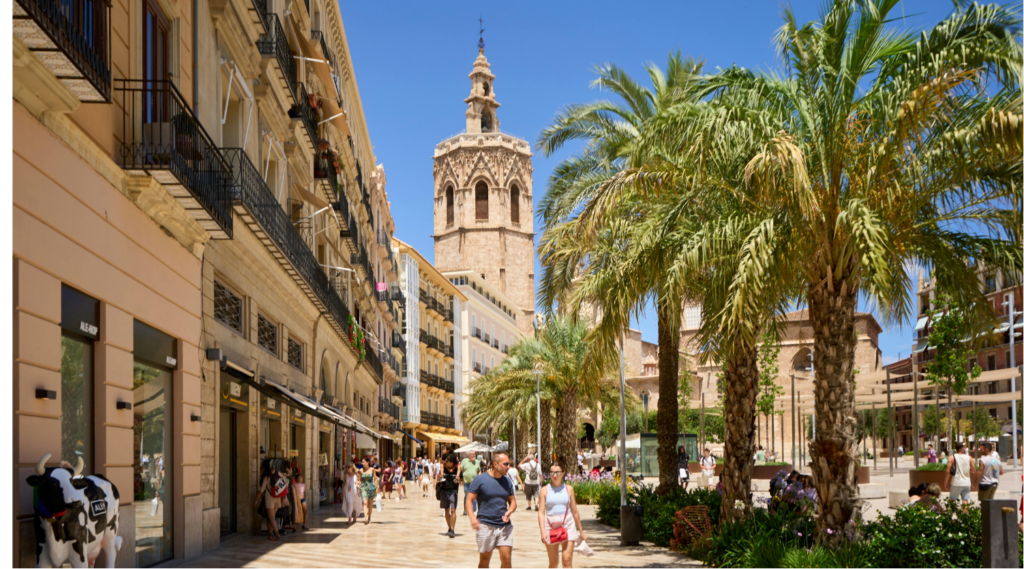
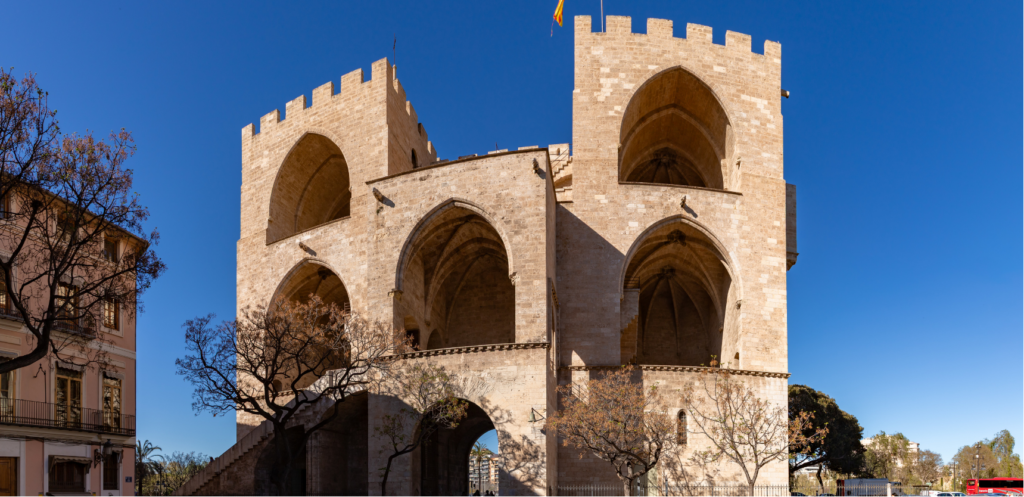
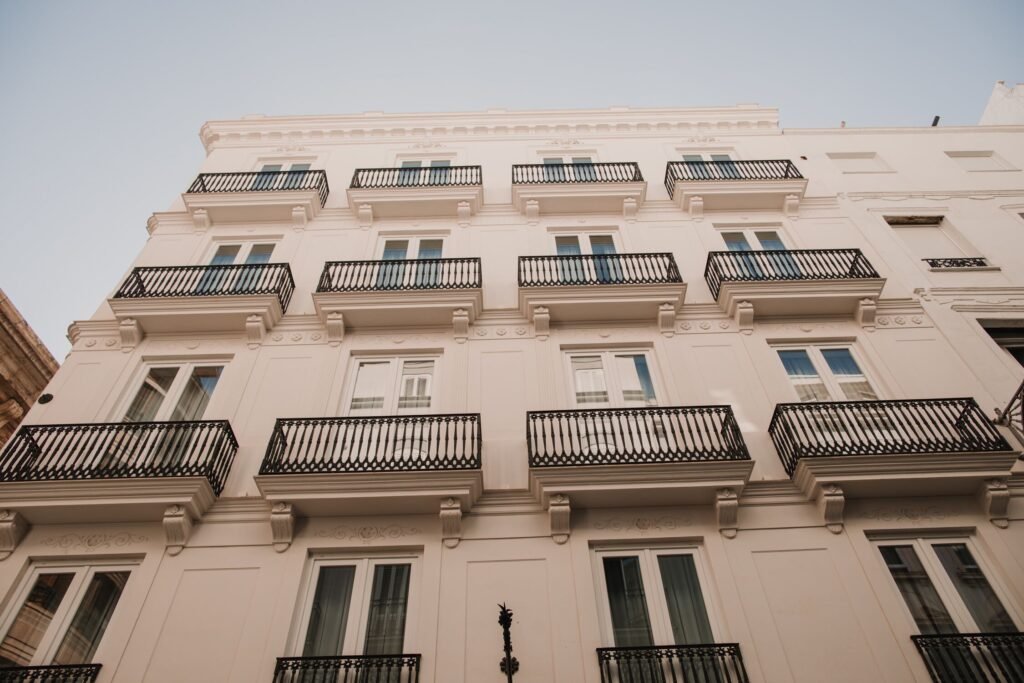
While Valencia is known for modern design, its historic center is just as important. The old town includes narrow streets, traditional buildings, and key landmarks like the cathedral and central market.
Walking through this area feels more compact compared to other parts of the city. Streets are smaller, and everything is closer together. You can cover a lot on foot without needing a plan.
Markets play a big role here. The Central Market is one of the largest in Europe and still functions as a daily shopping space. It is not just for tourists, which makes it more useful if you want to see how locals actually shop and eat.
A More Relaxed City Compared to Madrid and Barcelona
Another reason people remember Valencia is how it feels compared to Spain’s bigger cities. It is still large, but the pace is slower. You do not deal with the same level of crowds as in Barcelona or Madrid.
This shows up in simple ways. Public transport is less crowded, restaurants are easier to get into, and walking around feels more manageable. You can explore without planning every step in advance.
At the same time, Valencia still offers enough variety to keep you busy. You have beaches, cultural sites, parks, and food options all within a short distance. That balance is part of why many visitors end up liking it more than expected.
Final Thought
Valencia is known for a combination of food, festivals, modern architecture, and everyday coastal life. Each of these plays a role in how the city feels, and none of them exist in isolation.
If you visit, you will likely come for one main reason, like paella or the City of Arts and Sciences. But once you are there, the mix of different elements becomes more noticeable. The city is easy to navigate, offers variety, and does not feel overwhelming.
Understanding what Valencia is known for helps set expectations. It is not just about one landmark or activity. It is about how these parts come together into a city that is practical to explore and easy to spend time in.
Pingback: Food in Valencia 2026: Best Guide to Local Dishes & Dining | Rovenect