

Got three days in Osaka? Perfect. This 3-day Osaka itinerary gives you a little of everything—street food, culture, history, and even a few relaxed moments in a local park. Whether it’s your first time in Japan or you’re back for more, this guide will help you hit the highlights without the stress.
Osaka is a city that doesn’t try too hard to impress—and that’s what makes it so easy to love. You’ll spend your days exploring lively neighborhoods like Dotonbori and Shinsekai, trying local favorites like takoyaki and okonomiyaki, visiting historical landmarks like Osaka Castle, and winding down in peaceful spots like Nara Park. And because the city is compact and easy to get around, you won’t waste time hopping between places.
This itinerary is designed to give you a full Osaka experience without feeling rushed. It balances big sights with smaller local stops, mixes in food, fun, and cultural moments, and includes tips on where to stay, how to get around, and what to expect. Whether you’re here for the food, the vibe, or just to see something new, this three-day plan will help you make the most of your time in one of Japan’s most welcoming cities.
If your journey doesn’t stop in Osaka, consider spending a full week in Tokyo! Our detailed 7-day Tokyo itinerary covers everything from iconic sights like Shibuya Crossing and the historic Asakusa district to hidden gems, sushi spots, day trips, and unique cultural experiences. It’s the perfect complement to your time in Osaka.
Why You Need to Travel To Osaka
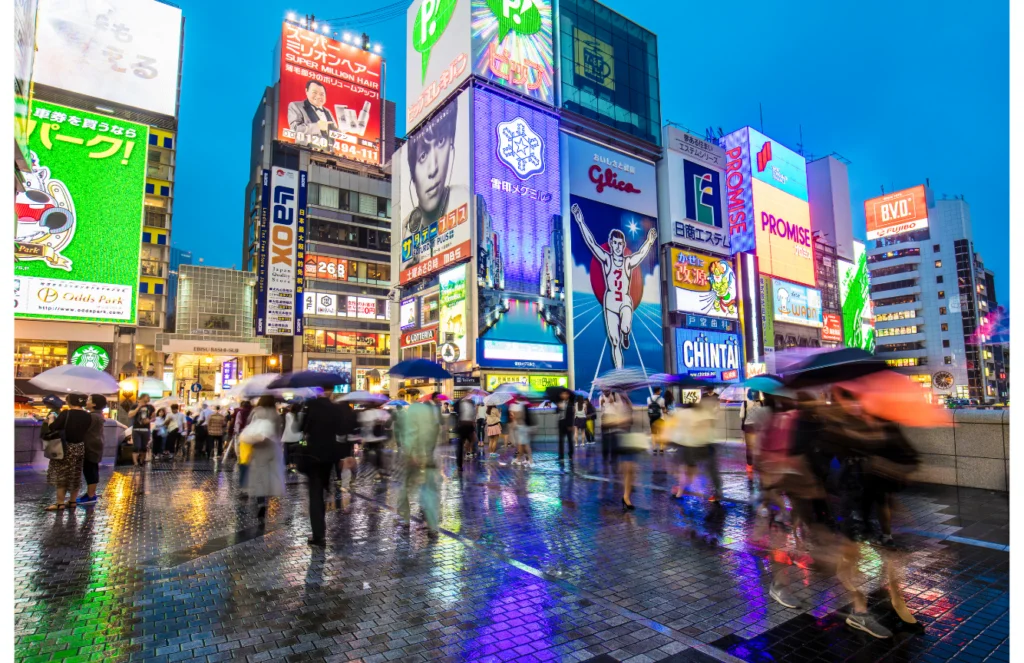
Osaka delivers an experience that feels real, rich, and grounded in everyday life. It’s known across Japan as the “nation’s kitchen,” and for good reason—this city takes food seriously, from crispy street-side snacks to casual joints that locals swear by. Compared to Tokyo, Osaka moves at a slower pace and feels more relaxed, with smaller crowds and a stronger sense of place. Shopping here is more personal, with cozy arcades and neighborhoods full of character instead of massive commercial blocks.
You can easily get around on foot, and walking is part of the fun—there’s always something interesting around the corner, whether it’s a tiny restaurant with a line of regulars or a quiet alley lit by paper lanterns. As Japan’s second largest urban area, Osaka still hums with energy, but it doesn’t overwhelm you. The nightlife is lively without being chaotic, and the city feels more grounded and approachable than some of its flashier counterparts.
Transport Tips
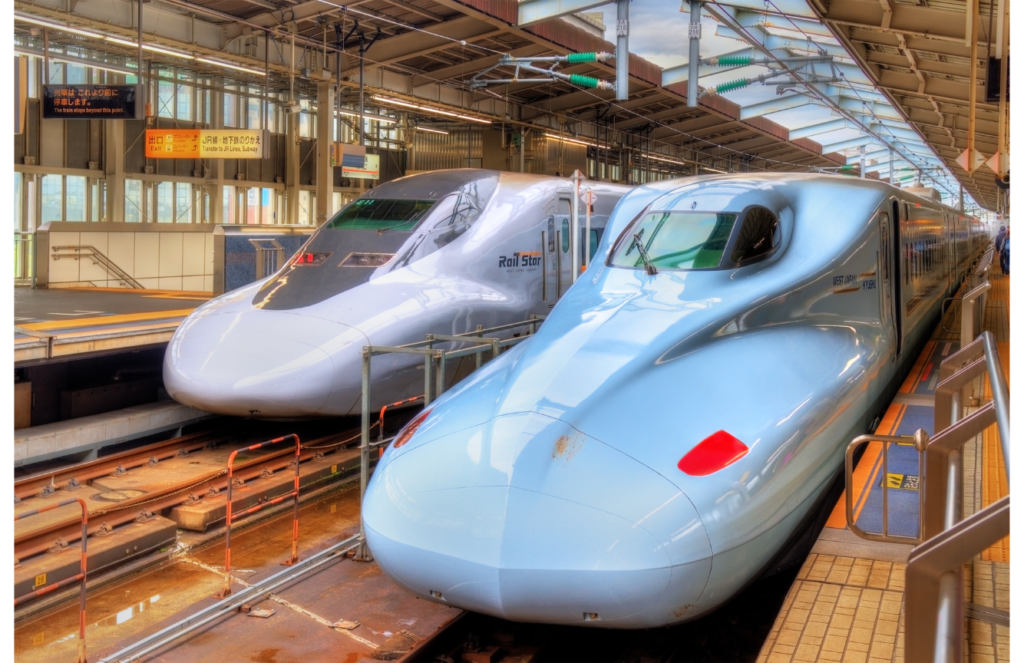
The fastest way to get around Osaka is by train or metro, both of which are reliable, frequent, and connect well to major attractions and neighborhoods. Taxis are also available and can be convenient, especially late at night or in bad weather, but they tend to be quite expensive and aren’t the best option for those watching their budget.
The metro is highly recommended—it’s affordable, efficient, and easy to navigate, especially if you use a prepaid IC card like ICOCA. Pairing metro rides with short walks is a great way to see more of the city without wasting time or money.
Where to Stay
If you’re deciding where to stay in Osaka, some of the best areas to consider are Namba (also known as Minami), Kita, Central Osaka around Honmachi, the Tennoji area, Honmachi itself, and the Osaka Castle area. Namba and Minami are known for their lively streets, shopping, and entertainment, while Kita offers major transport connections and a more business-focused feel.
Central Osaka and Honmachi are good middle-ground choices, placing you between the city’s main hubs. Tennoji is a bit more residential but still has easy access to attractions, and the Osaka Castle area gives you a quieter base with more open space and greenery nearby.
Budget
A daily budget of $113 should be enough to cover the essentials, including meals, transportation, accommodations, and some sightseeing or shopping. This amount allows for comfortable spending without being too tight, giving you room to enjoy the local food, use public transport like the metro, and pay for entry to popular attractions or occasional extras.
Safety
Osaka is widely regarded as one of the safest cities in the world, with low crime rates and a generally secure environment for both locals and visitors. Violent crime is extremely rare, and people often feel comfortable walking around at night or using public transportation alone.
That said, it’s still smart to stay alert in busy areas, where minor incidents like pickpocketing can occasionally occur—especially in places with heavy foot traffic such as train stations, shopping arcades, or popular tourist spots. Keeping an eye on your belongings and using basic common sense goes a long way in avoiding any issues during your stay.
Local Etiquette
When visiting Osaka, it’s helpful to understand and respect the local etiquette to avoid standing out or causing unintentional offense. On escalators, people stand on the right side and walk on the left, which is the opposite of what you might see in Tokyo. Trains are quiet spaces, so loud talking—especially on the phone—is considered rude and should be avoided. Tipping is not part of the culture in Japan, including Osaka, so there’s no need to leave extra money at restaurants or for services.
When handing over money, such as at a register, it’s polite to use both hands as a sign of respect. While Japan is increasingly accepting cards, cash is still the most common method of payment, especially in smaller shops or local restaurants. Public trash bins are rare, so it’s a good idea to carry a small bag with you for your rubbish until you find a place to throw it away. Also, smoking in public spaces is discouraged and often restricted to designated areas, so be sure to follow posted signs and local rules.
Best Time to Visit
The best time to visit Osaka is during the spring months of March to May and the autumn months of October to November. These seasons offer mild, comfortable weather that makes it easier to enjoy walking around the city and visiting outdoor attractions. In spring, cherry blossoms bloom across parks and near landmarks like Osaka Castle, drawing both locals and visitors for seasonal viewing.
Autumn brings cooler air and colorful leaves throughout the city, creating a striking contrast with Osaka’s urban scenery. These months also avoid the high humidity of summer and the cold winds of winter, giving travelers a more pleasant overall experience. Since these times are popular, it’s wise to book accommodations early to avoid higher prices or limited availability.
Language
Getting around Osaka is fairly easy for visitors, as many signs in train stations, tourist areas, and public facilities are written in both Japanese and English. This makes navigation and using public transport more manageable even if you don’t speak the language. However, it’s still a good idea to learn a few basic Japanese phrases, such as “arigatou” (thank you), “sumimasen” (excuse me or sorry), and “onegai shimasu” (please), as these small efforts are often appreciated by locals.
While many people working in tourism or customer service may understand some English, not everyone does, so using simple phrases can help you communicate more smoothly and show respect for the local culture.
Connectivity
For staying connected while in Osaka, getting an eSIM card is one of the most convenient options, especially if your phone supports it. Services like Airalo, Ubigi, and Holafly allow you to activate mobile data without needing to remove your physical SIM card, making setup quick and hassle-free. If you prefer a traditional physical SIM, you can easily find one at major convenience stores, including 7-Eleven.
Both options provide reliable internet access, which is especially useful for navigating the city, using translation apps, and staying in touch during your trip.
Local Dishes
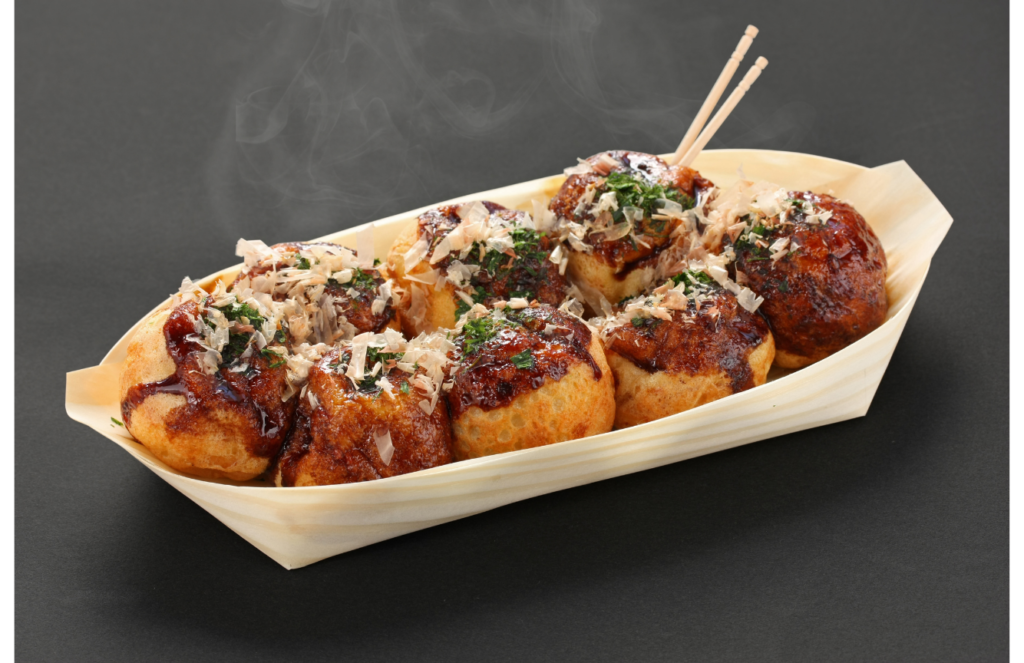
Takoyaki
Takoyaki is one of Osaka’s most famous street foods—small, round balls made from a savory batter filled with diced octopus, green onion, and pickled ginger. Cooked in a special pan, they’re crisp on the outside and soft inside, then topped with takoyaki sauce, mayonnaise, bonito flakes, and seaweed powder. You’ll find them all over the city, especially in busy areas like Dotonbori.
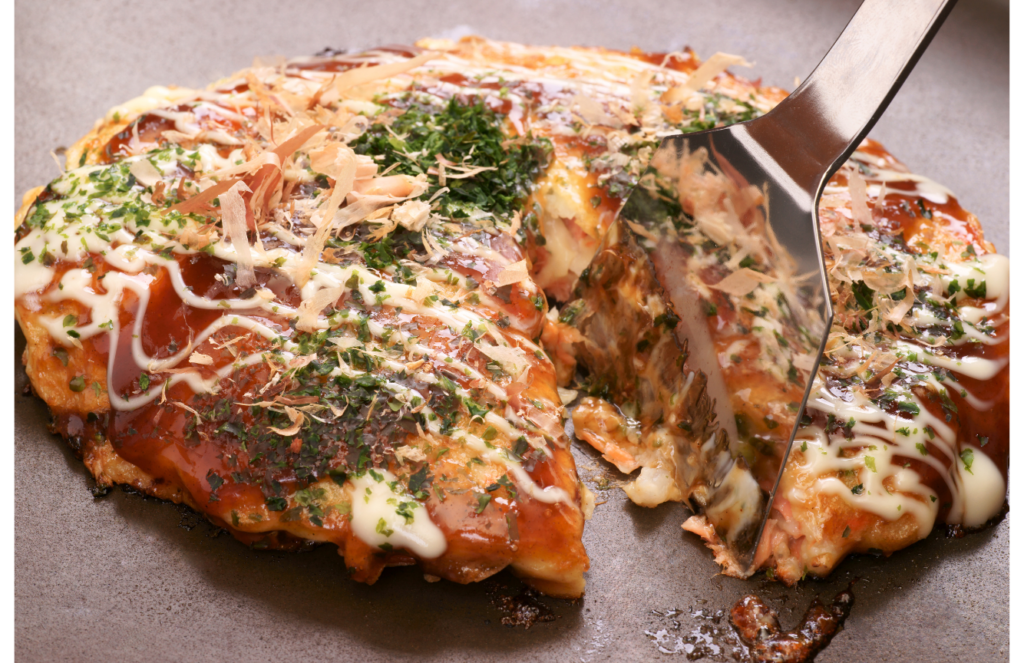
Okonomiyaki
Often called a “Japanese savory pancake,” Okonomiyaki is a local favorite in Osaka. It’s made from a batter mixed with cabbage and other ingredients like pork, squid, or shrimp, cooked on a griddle and topped with a sweet and tangy sauce, mayonnaise, and dried seaweed. Many restaurants let you cook it yourself at the table, making it a fun and interactive meal.
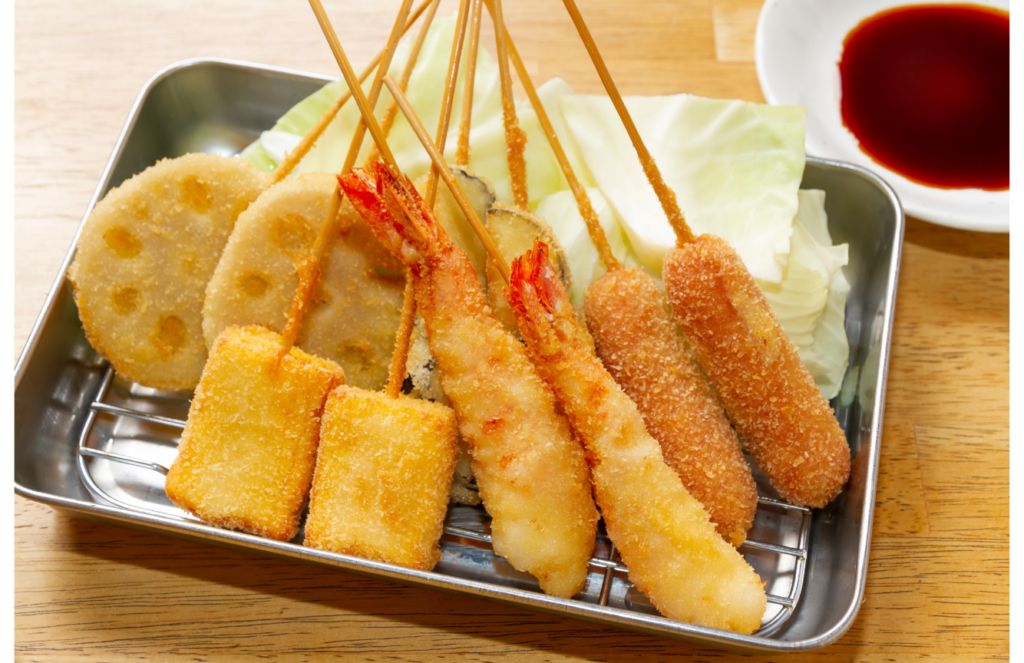
Kushikatsu
Consists of skewered pieces of meat, seafood, or vegetables that are breaded and deep-fried until golden. It’s usually served with a shared container of dipping sauce—just be sure not to double dip. This dish is especially popular in the Shinsekai area of Osaka, known for its casual, no-frills dining spots.
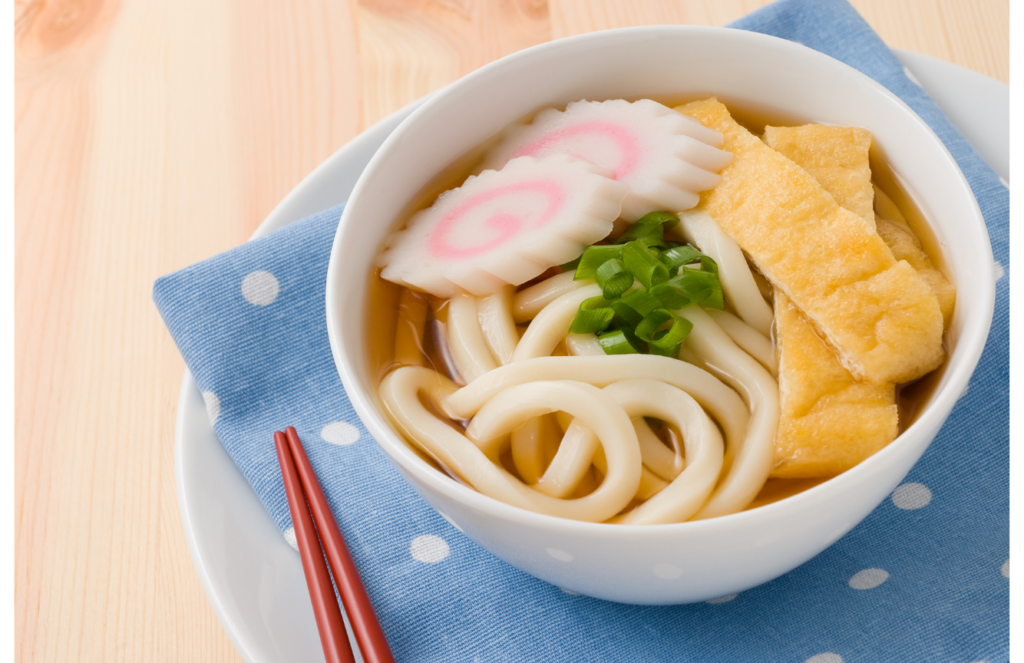
Kitsune Udon
A noodle soup made with thick udon noodles in a light, flavorful broth and topped with a piece of aburaage (sweet fried tofu). The name “kitsune” means fox, based on the folklore that foxes love fried tofu. It’s simple, warm, and especially popular in the Kansai region.
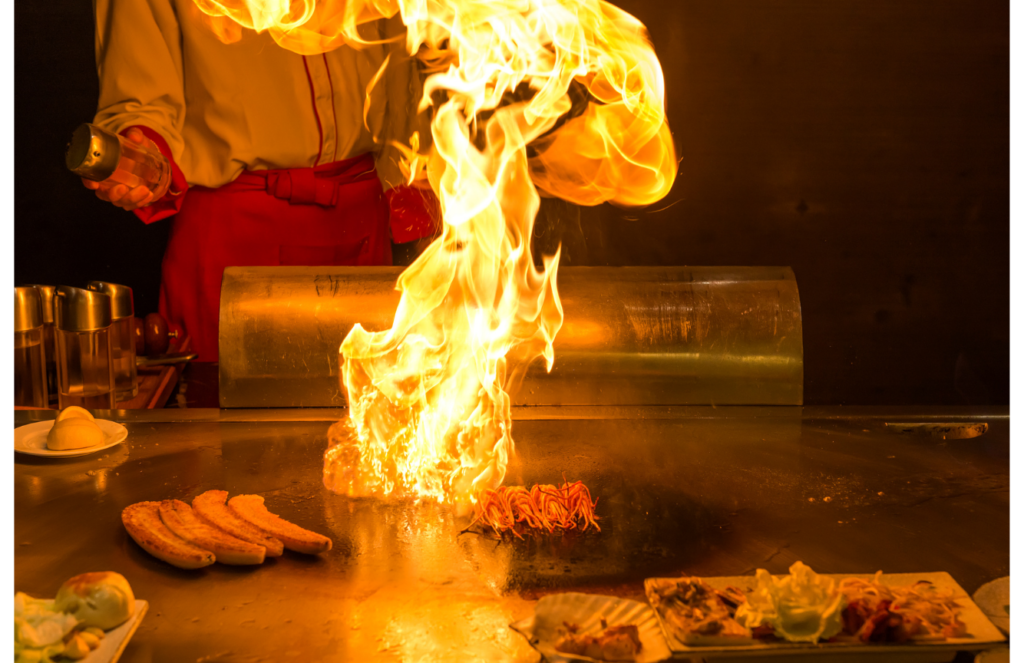
Teppanyaki
Teppanyaki is a cooking style where meat, seafood, and vegetables are grilled on a large, flat iron plate. In many restaurants, the chef prepares the food right in front of you, making it both a meal and a show. It’s a great way to enjoy high-quality beef or fresh seafood while watching the skillful techniques of a trained chef.
DAY 1: Street Culture & Local Flavor
Morning
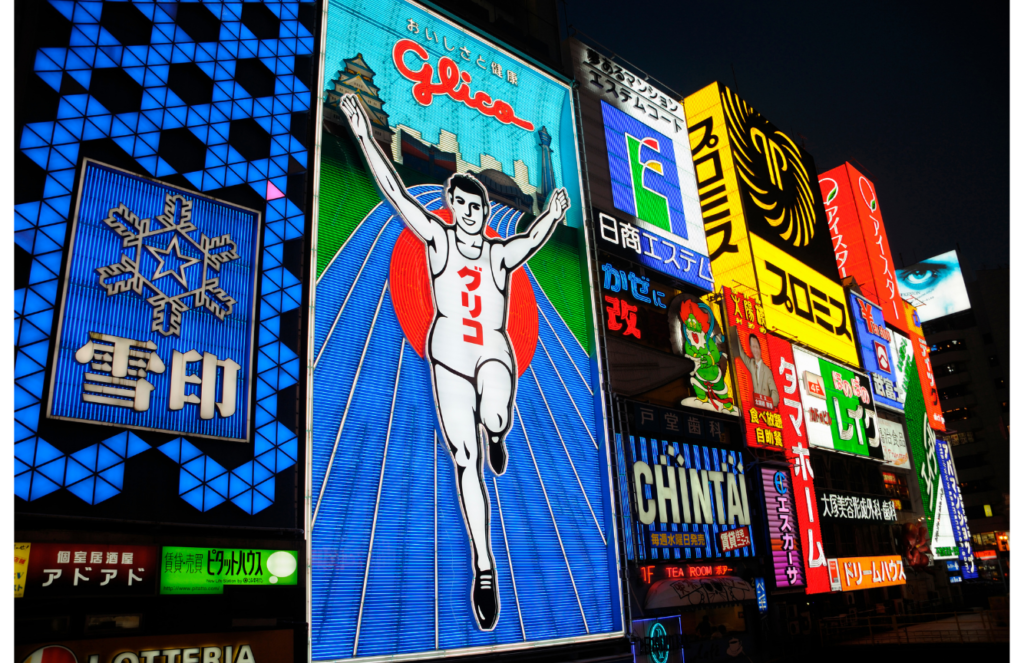
Dotonbori
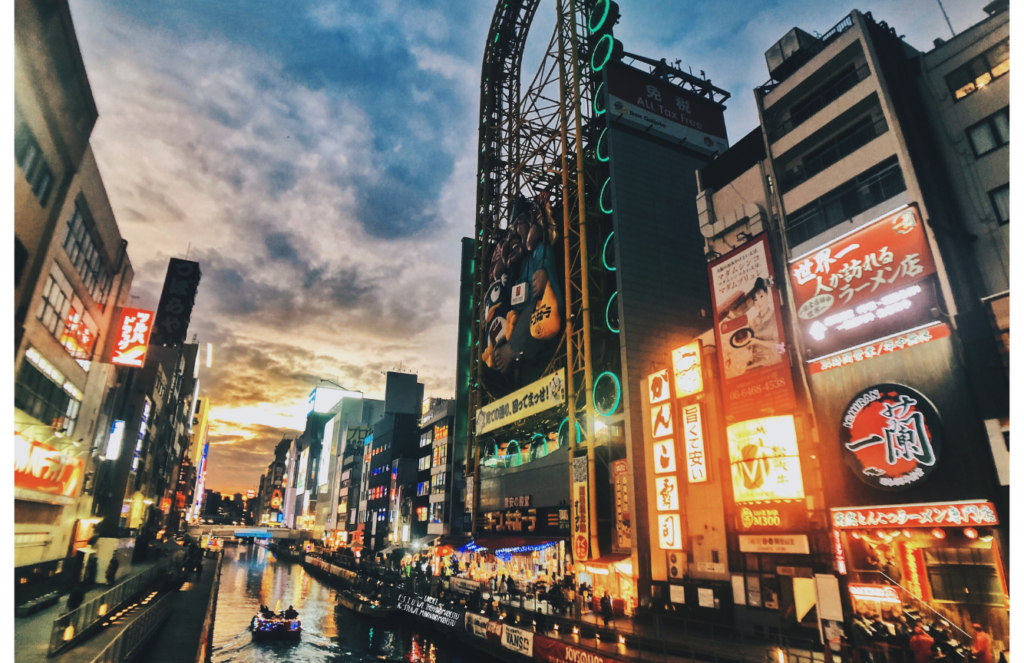
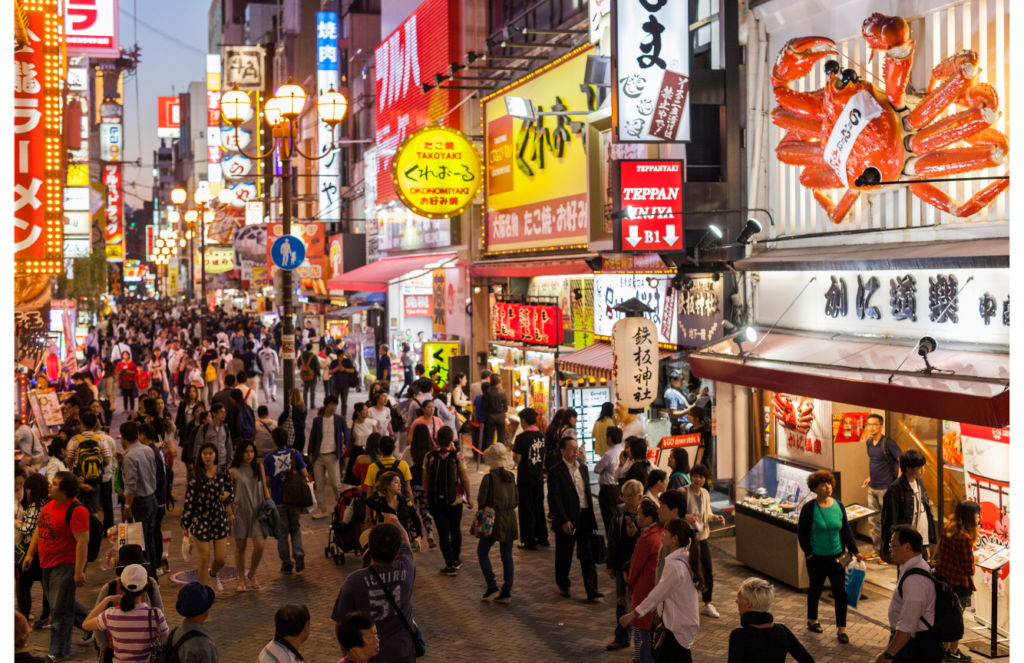
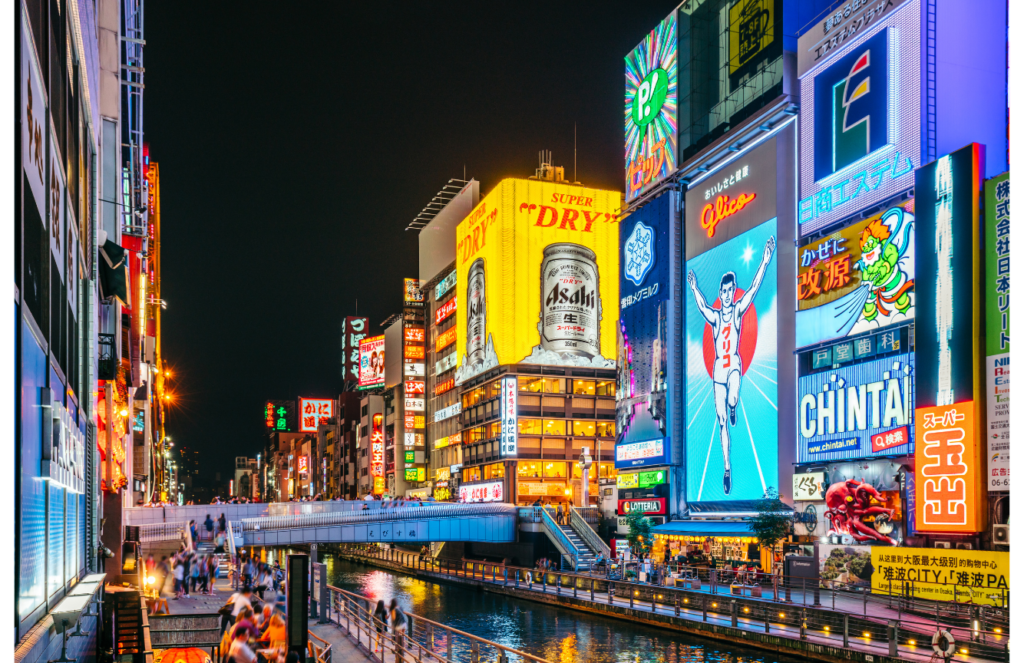
Dotonbori is one of Osaka’s most famous and visually striking districts, known for its neon lights, oversized animated signs, and constant buzz of activity along the canal. It’s a go-to spot for street food lovers, with stalls and casual restaurants serving local favorites like takoyaki and okonomiyaki. As you walk through the area, you’ll spot landmarks like the Glico running man sign and the giant mechanical crab—perfect for quick photos.
The area is also packed with shops, arcades, and river cruises that let you take in the views from the water. It gets very crowded in the evenings, so visiting it in the morning is great. Wear comfortable shoes, keep some cash on hand for smaller vendors, and stay aware of your belongings in the thick of the crowds.
Afternoon
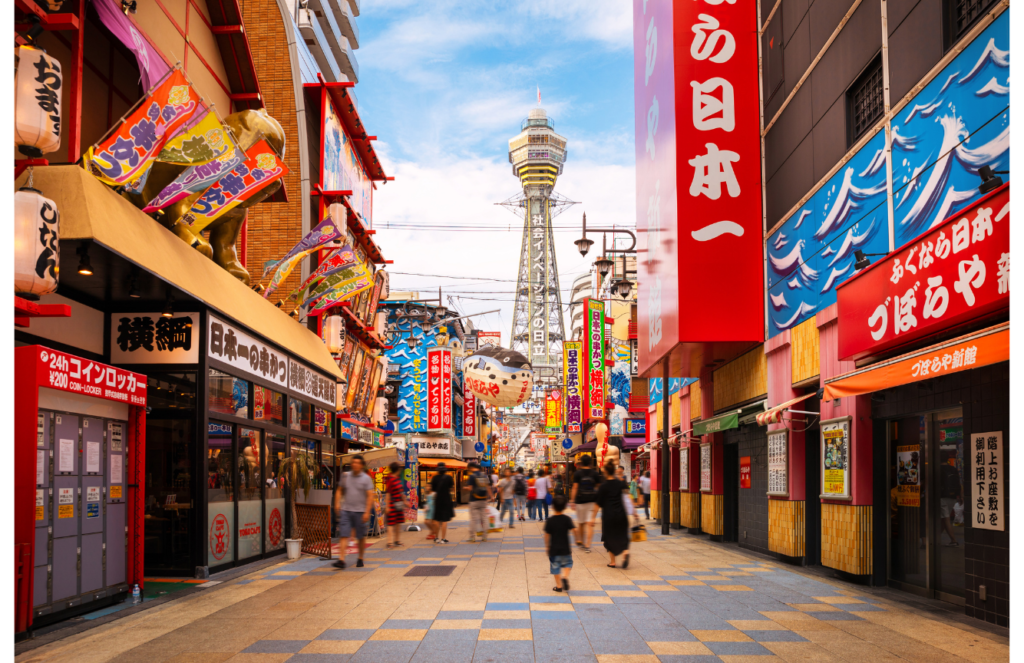
Shinsekai
Back in 1912, Osaka introduced Shinsekai, or “New World,” a neighborhood modeled after Paris and Coney Island, now one of its most iconic districts. At the heart of the area is Tsutenkaku Tower, a well-known symbol of the city that offers observation decks with views over Osaka.
Shinsekai has a nostalgic, old-school charm with its retro signage, narrow streets, and casual, affordable restaurants. It’s especially famous for kushikatsu. Though it’s rougher around the edges than more polished neighborhoods, Shinsekai offers a unique glimpse into Osaka’s past and a distinctly local atmosphere.
Evening
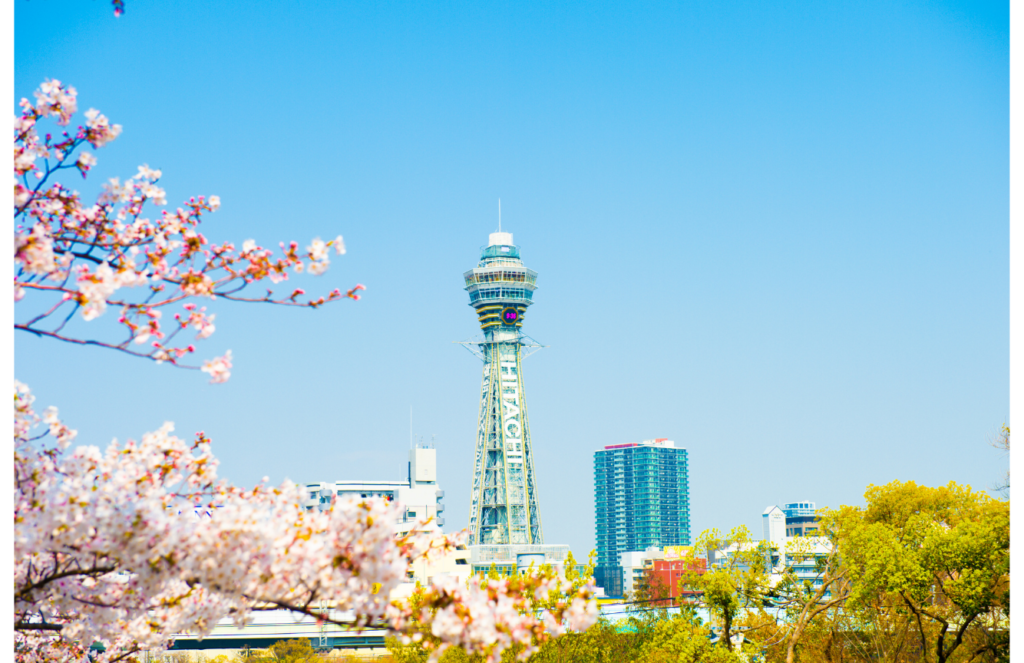
Tsutenkaku Tower
Standing tall in Osaka’s Shinsekai district, Tsutenkaku Tower—meaning “Tower Reaching Heaven”—is a historic landmark with roots dating back to 1912.Originally constructed in 1912 and inspired by the Eiffel Tower, it was rebuilt in 1956 after being dismantled during World War II. The current tower stands at 103 meters and features observation decks that offer wide views of the city, including an outdoor deck for those who want an open-air experience.
One of its most famous features is the statue of Billiken, known as the “God of Happiness”—rubbing the soles of his feet is said to bring good luck. At night, the tower is lit with colorful LED lights that change based on the next day’s weather forecast. Easily reached from Ebisucho Station, Tsutenkaku remains a popular attraction for both tourists and locals looking to enjoy a bit of Osaka’s nostalgic charm.
DAY 2: History, Shrines & Shopping
Morning
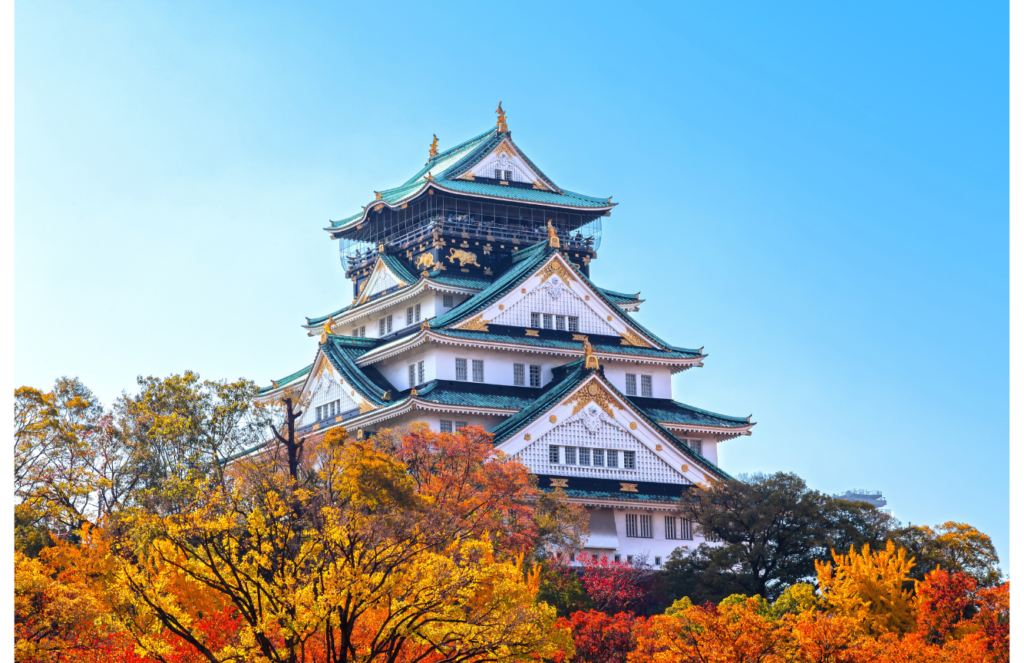
Osaka Castle
It’s one of those spots that gives you a little bit of everything: history, great views, and a peaceful place to unwind. Built in the late 1500s by Toyotomi Hideyoshi, a key figure in Japan’s past, the castle has been rebuilt and restored over the centuries but still stands as a proud symbol of the city.
The inside of the castle is now a museum with exhibits about Osaka’s history and Hideyoshi’s life, including old armor, maps, and models. You can take an elevator or climb the stairs up to the top floor, where you’ll be rewarded with a 360-degree view of the city—especially beautiful in spring when the cherry blossoms are out or in autumn when the leaves turn deep red and gold.
Outside, the castle is surrounded by a wide park filled with trees, walking paths, open lawns, and a moat. It’s a great place to relax, have a snack, or just take a break from the more fast-paced parts of the city. Whether you’re into history or just want a chill afternoon in a pretty setting, Osaka Castle is a solid spot to add to your list.
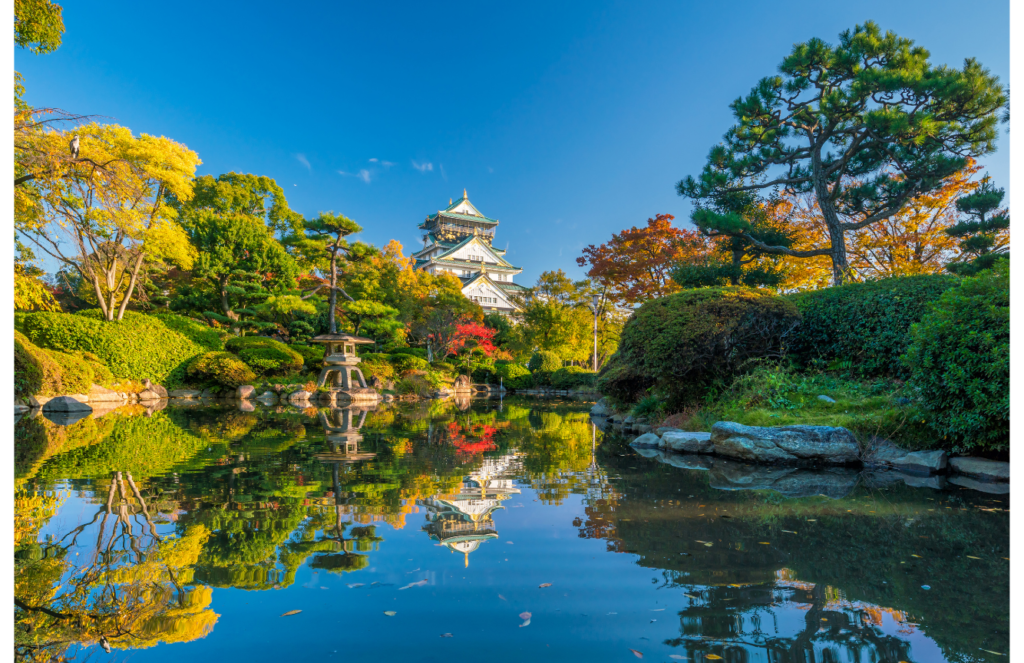
Osaka Park
Surrounding the Osaka Castle, the park is huge, with wide lawns, quiet walking paths, and a scenic moat that wraps around the grounds. It’s especially popular in spring when the cherry blossoms bloom and people come out for picnics and photos.
You’ll find locals jogging, families relaxing, and visitors taking in the views of the castle or snapping shots of the old stone walls and gates. It’s a great place to wander with a coffee, rent a bike, or just sit under a tree and take a break from the busy city. The mix of history, greenery, and space makes it more than just a background to the castle—it’s a destination all its own.
Afternoon
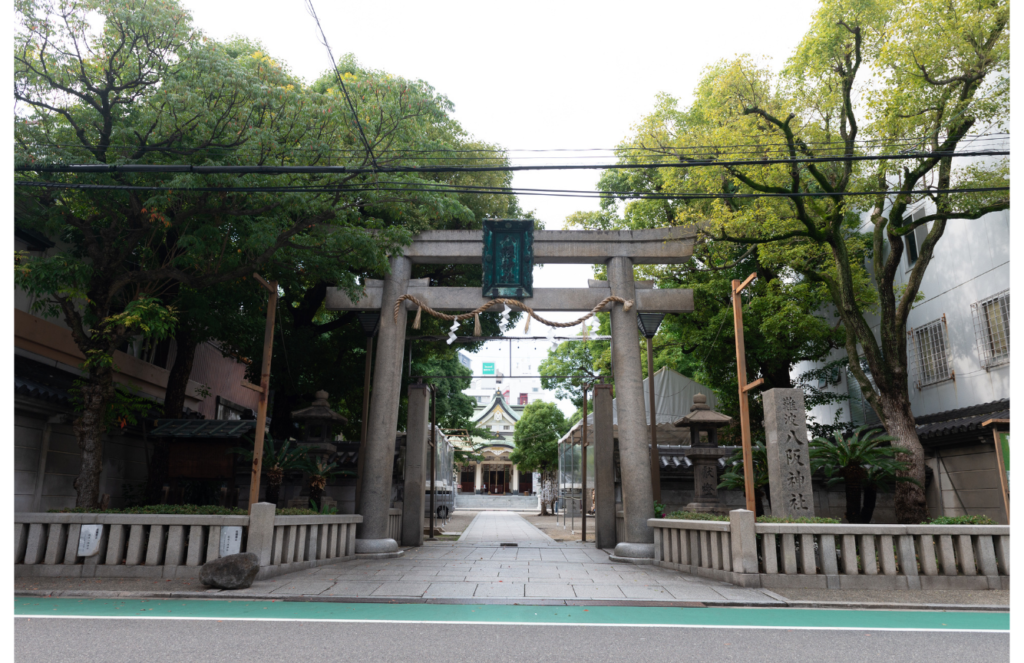
Namba Yasaka Shrine
One of the most unique shrine in Osaka. What makes it stand out is the giant lion head structure right in the middle of the shrine grounds. It’s got this fierce expression and a wide-open mouth, and locals say it’s meant to “eat up” bad luck and bring in good fortune, especially for things like school, work, or personal goals.
The vibe is pretty relaxed, and it’s usually not too crowded, so you can take your time snapping a few photos or just soaking in the quiet moment. It’s kind of hidden away from the main shopping streets, which makes it feel like a little surprise when you find it.
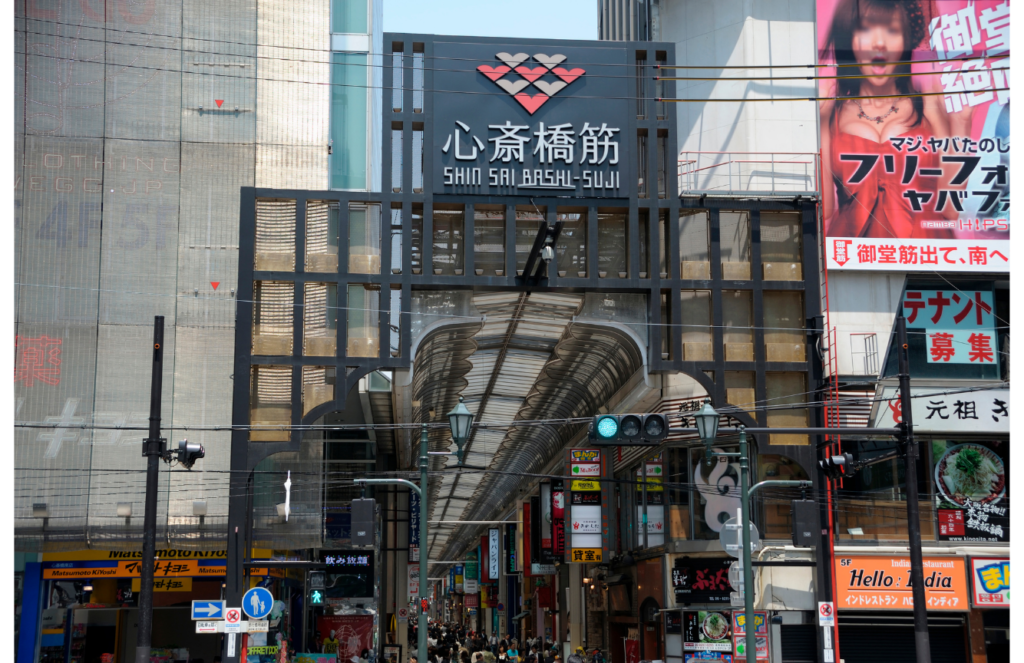
Shinsaibashi Shopping Arcade
Osaka’s go-to spots for shopping, offering a long, covered arcade packed with hundreds of stores that range from high-end designer brands to affordable fashion and local boutiques. You’ll also find beauty shops, accessory stands, and quirky souvenir stores, making it easy to spend hours browsing without even realizing it. The arcade is clean, well-lit, and always buzzing with energy, drawing both locals and tourists alike.
It’s connected directly to Dotonbori, so you can easily combine shopping with sightseeing or food stops, and it’s super convenient to reach by subway, with Shinsaibashi Station located right underneath. Whether you’re hunting for the latest trends, looking for a great deal, or just enjoying the atmosphere, Shinsaibashi makes for a fun and lively stop in the heart of the city.
Evening
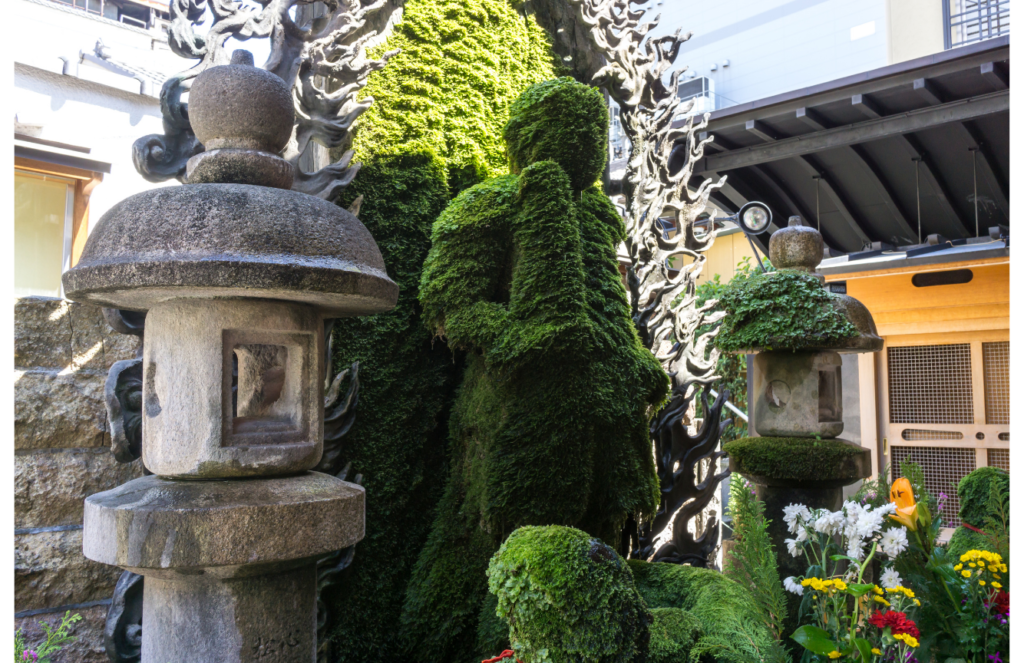
Hozenji Temple
Hozenji Temple is a small, peaceful temple located just a short walk from the busy streets of Dotonbori. It’s best known for a stone statue of Fudō Myōō, a Buddhist deity, which has become completely covered in moss over time from visitors regularly pouring water over it as part of a traditional offering.
The temple itself is simple and not very large, but its quiet setting and the contrast with the surrounding city make it an interesting and quick stop. Right next to it is Hozenji Yokocho, a narrow alley with a few traditional restaurants and bars, offering a more local and relaxed feel compared to the nearby crowds. It’s a nice place to pause if you’re already in the area and want a short moment of calm.
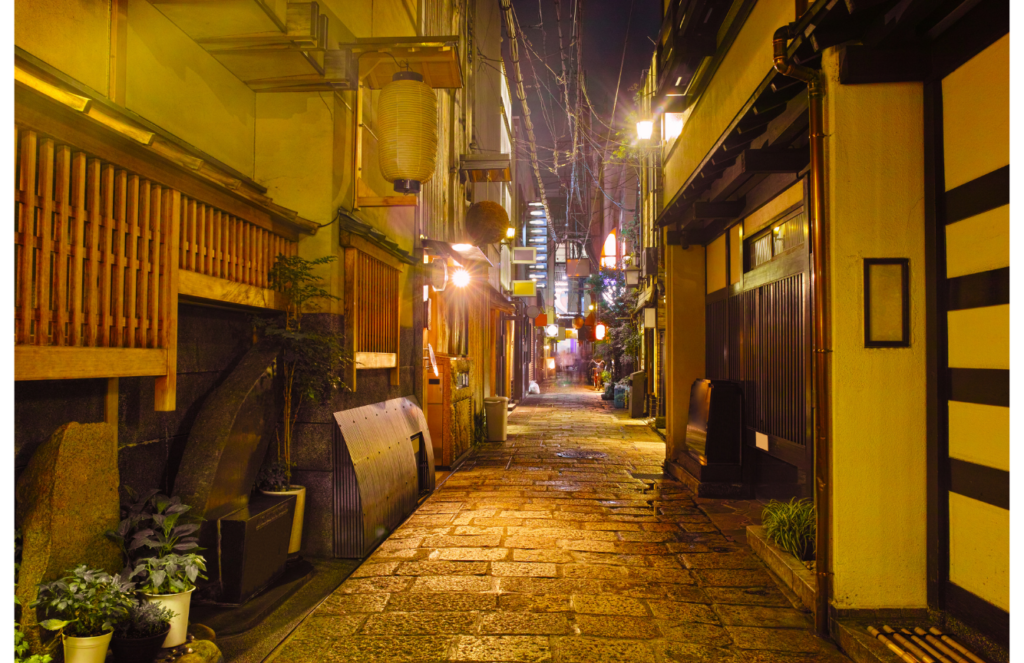
Hozenji Yokocho Alley
Right next to Hozenji Temple, you’ll find Hozenji Yokocho—a charming, old-world alleyway only steps away from the chaos of Dotonbori. It’s lined with small, traditional-style restaurants and izakayas, many of which have been serving food for decades. The alley has a quieter, more local feel compared to the nearby tourist crowds, and it gives you a glimpse of what older Osaka might have looked and felt like.
At night, the area becomes especially atmospheric with warm lighting, noren curtains hanging at entrances, and the soft hum of people enjoying a meal. It’s not a large area—just a short stretch—but it’s great for those looking to try local food in a more relaxed, tucked-away setting. Even if you don’t stop to eat, walking through Hozenji Yokocho offers a nice change of pace and a quick step into a different side of the city.
DAY 3: Nara Day Trip
Morning
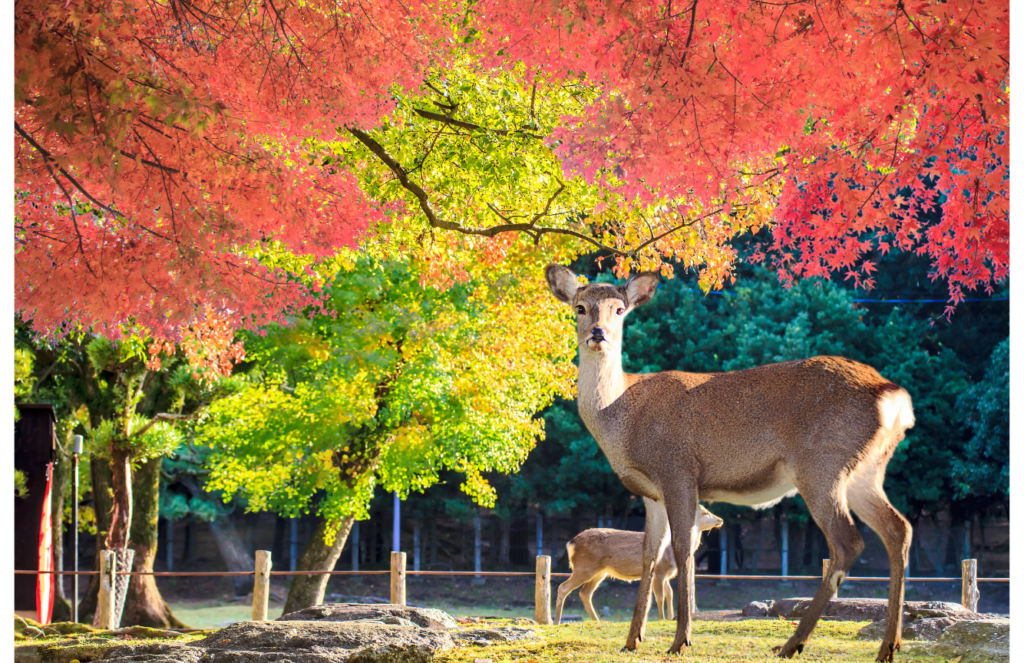
Nara Park
The park is best known for its free-roaming deer, which have become a symbol of the area. You can buy special deer crackers (shika senbei) to feed them, and many of the deer have learned to gently bow in exchange for a treat. They’re used to people, but it’s still good to be respectful—some can get a bit pushy if they know you’ve got food.
The park itself is spacious and relaxing, with plenty of open green areas, ponds, and walking paths. It’s also home to several important historical sites, including Tōdai-ji Temple, which houses one of the largest bronze Buddha statues in the world, and Kasuga Taisha Shrine, known for its stone lanterns. You can easily spend a few hours here just walking, sightseeing, and enjoying the scenery.
Afternoon
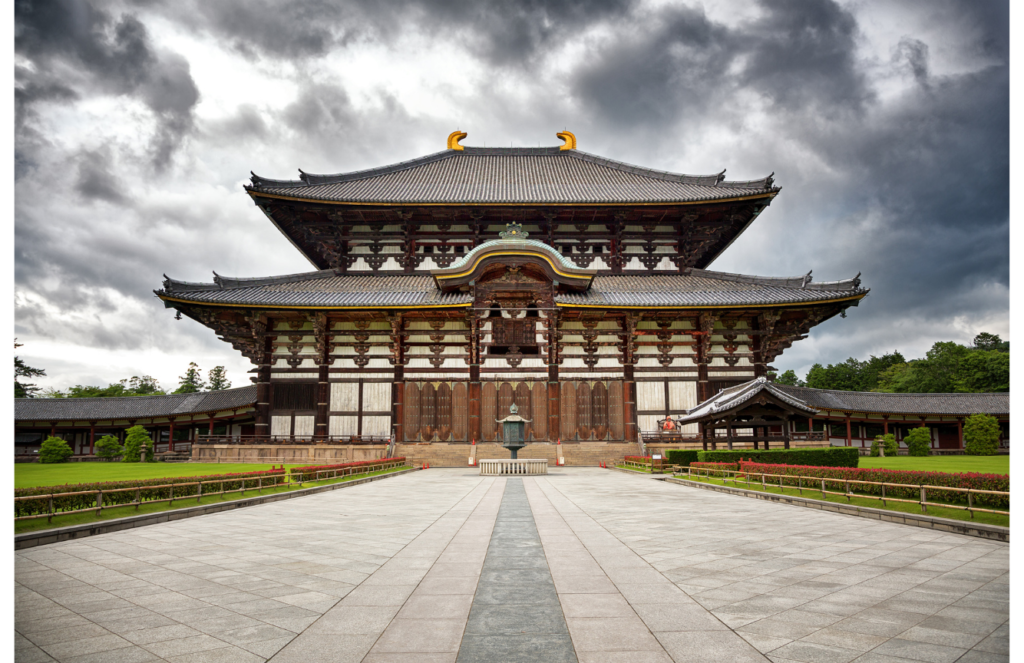
Todai-ji Temple
Tōdai-ji Temple is one of the main highlights of Nara and a must-see when you’re visiting Nara Park. It’s best known for the Great Buddha Hall (Daibutsuden), which houses a massive bronze statue of Buddha—one of the largest in Japan. The scale of both the statue and the wooden hall that contains it is seriously impressive, and photos don’t quite do it justice until you see it in person.
The temple grounds are peaceful and open, surrounded by trees and often shared with the local deer that wander freely through the area. Inside the hall, you’ll find smaller statues, old artifacts, and a wooden pillar with a hole in the base said to be the same size as the Buddha’s nostril—kids (and some adults) try to crawl through it for good luck.
Founded in the 8th century, Tōdai-ji has deep historical and religious importance, but you don’t need to be an expert to enjoy it. Whether you’re into architecture, history, or just seeing something big and memorable, it’s a standout stop during a visit to Nara.
Kasuga Taisha Shrine
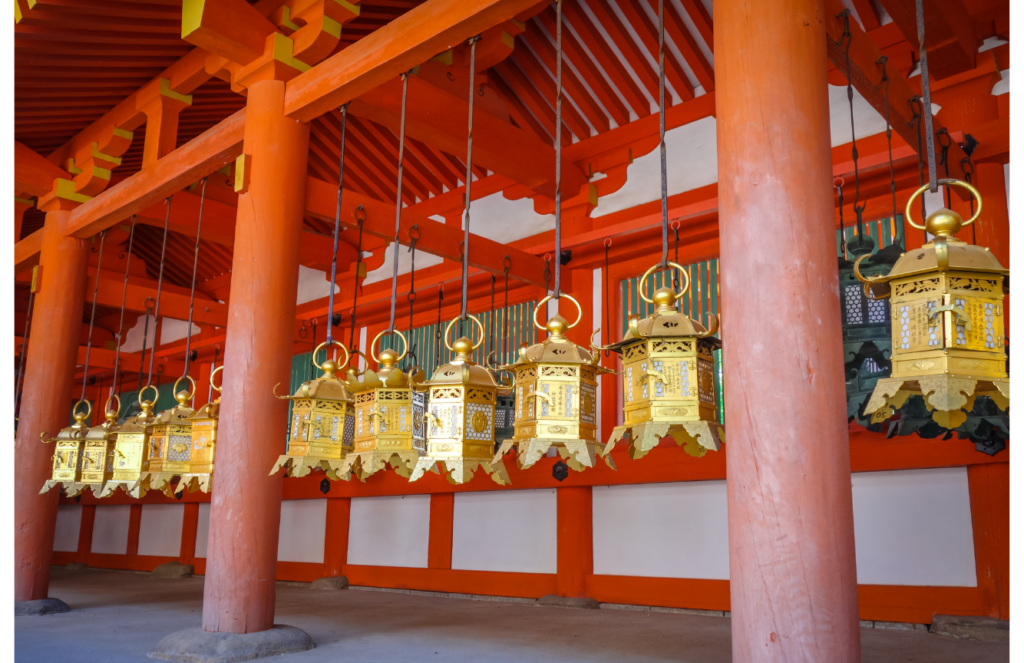
This shrine is another must-visit spot in Nara Park, known for its peaceful atmosphere and long rows of stone and bronze lanterns that line the paths leading up to the shrine. It’s a Shinto shrine that dates back to the 8th century, and while the main buildings have been rebuilt over the centuries, the overall setting has remained beautifully preserved.
The lanterns are one of the highlights—there are thousands of them, and while most are unlit during regular visits, they’re all lit up twice a year during special festivals, creating an incredible scene. Even when they’re not glowing, they give the whole area a calm, timeless feeling. Inside the shrine, you’ll also see hanging lanterns in soft, warm tones, adding to the peaceful vibe.
It’s located in a forested part of the park, so the walk there feels like a quiet escape from the more crowded parts of Nara. You’ll also likely encounter a few deer along the way, as they tend to rest in the shaded areas around the shrine. Whether you’re interested in history, photography, or just want a peaceful walk in a beautiful place, Kasuga Taisha is definitely worth the stop.
Evening
Return to Osaka
After spending a few hours exploring Nara Park and its main sights like Tōdai-ji Temple and Kasuga Taisha Shrine, heading back to Osaka is easy and straightforward. Most visitors take the train—either the JR Yamatoji Line or the Kintetsu Line—both of which get you back to the city in about 45 to 60 minutes. Trains run frequently, so there’s no need to rush; you can take your time enjoying a final walk through the park or grab a bite before leaving.
Once you’re back in Osaka, you can either wind down your day or dive into more sightseeing, shopping, or dinner depending on your energy level. It makes for a full but very doable day trip that gives you a good mix of nature, history, and a slower pace before returning to the city buzz.
Final Though
Three days in Osaka may fly by, but the memories will stick with you—whether it’s the first bite of takoyaki fresh off the grill, the view from the top of Osaka Castle surrounded by cherry blossoms or autumn leaves, or a quiet moment in a lantern-lit alley that feels like it belongs to another time. Osaka isn’t a city that tries to impress with perfection—it draws you in with its character, its energy, and its sense of everyday life. It’s a place where casual meals turn into highlights, small neighborhoods leave a big impression, and the people make you feel at home even if you don’t speak the language.
You may leave with your camera full of photos, your stomach full of good food, and your schedule packed with memories—but there’s always something left to see, eat, or experience here. Osaka rewards curiosity, and each visit opens up a little more. Whether this was your first time or just the latest in many, chances are you’ll find yourself already thinking about when you’ll come back.