
Choosing the best time to visit Asturias depends on the kind of trip you want. Asturias sits on Spain’s Green Coast. It has steep cliffs, green mountains, historic cities, and a mild climate shaped by the Atlantic Ocean. Summers stay comfortable. Heat rarely feels intense. Rain falls often, so the landscape stays green all year.
You may plan to hike in the Picos de Europa, want quiet beaches or time in cities like Oviedo. Some travelers come for cider festivals and local life. The season you choose matters. Certain months suit outdoor plans. Others help you avoid crowds or save money.
This guide shows the best time to visit Asturias based on weather, seasons, activities, and travel style. It helps you plan with confidence and enjoy what this region offers.
- Overview – Is There a Best Time to Visit Asturias?
- What’s the Weather Like in Asturias?
- Best Time to Visit Asturias by Season
- Times That May Be Less Ideal for Visiting Asturias
- What to Pack for Asturias
- Final Thought
- What is the best month to visit Asturias in Northern Spain?
- Is Asturias worth visiting for tourists?
- What are the best cities to visit in Asturias?
- What are the best things to do in Asturias?
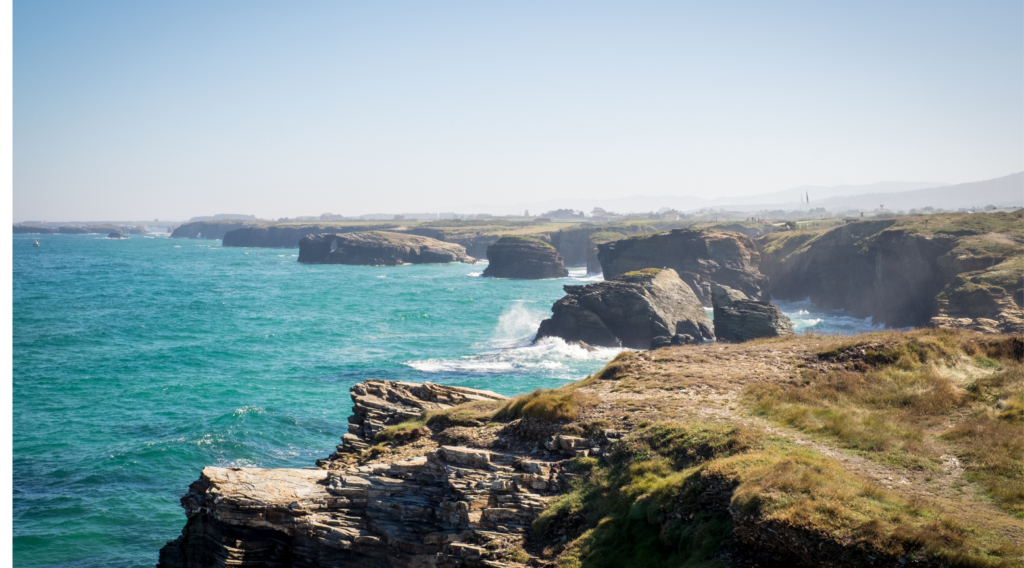
Overview – Is There a Best Time to Visit Asturias?
The short answer is yes. It depends on what you want to experience. Asturias works as a year-round destination. Each season feels different. Spring brings green mountain hikes. Summer fills coastal towns with life. Winter feels calm and focused on culture.
For most travelers, the best time to visit Asturias is late spring, from May to June, and early autumn in September. These months offer mild temperatures and fewer crowds. They suit hiking, sightseeing, and road trips along the coast.
Here’s a quick breakdown to help you decide:
- Best overall weather & balance: May, June, and September
- Best for beaches & festivals: July and August
- Best for hiking & nature: Late spring and early autumn
- Best for fewer crowds & lower prices: April and October
- Best for cultural visits & city breaks: Spring, autumn, and winter
Asturias has an Atlantic climate, so rain can fall at any time of year. This rain keeps the landscape green and beautiful. Weather, crowds, and activities change with the seasons. Knowing these changes helps you choose the right time for your trip. We explore this in the sections below.
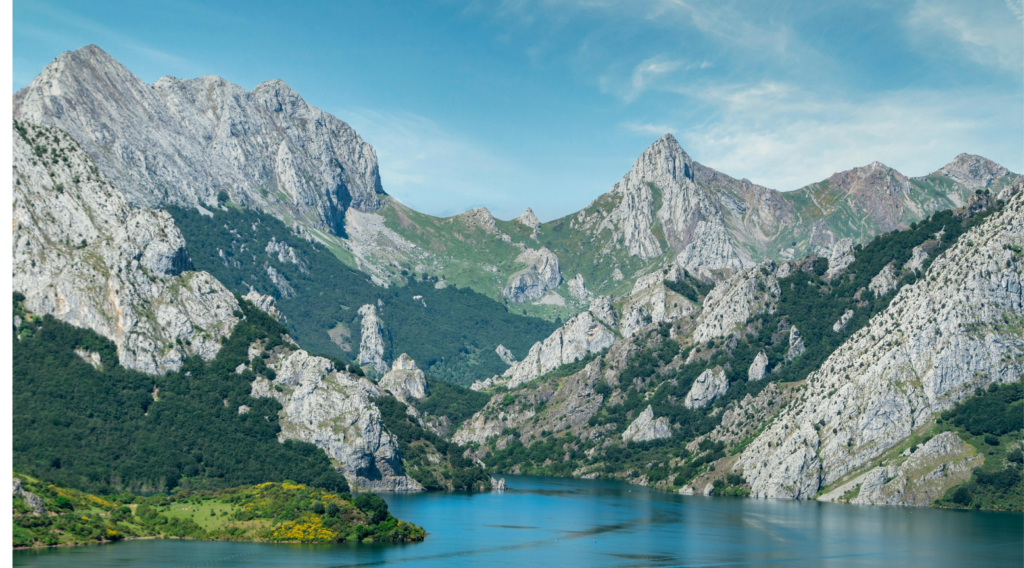
What’s the Weather Like in Asturias?
Asturias has a strong Atlantic feel. The weather stays mild and often changes. The region feels greener than many expect from Spain. Heat rarely lasts long. Conditions stay comfortable for exploring the coast, cities, and mountains.
The key thing to know is this. The weather in Asturias is not bad. It is unpredictable. Travelers who stay flexible get the most from it.
Asturias Climate Explained
The Atlantic Ocean shapes the climate of Asturias. Sea breezes keep summer days from feeling extreme. Winters stay softer than in inland areas. Asturias sits between the ocean and the mountains. Local conditions can change fast. You may see sun on the coast and mist inland. Higher elevations feel cooler.
This mix creates variety in a single day. Many travelers feel like they experience more than one season in one trip. This stands out during road trips across the region.
Rainfall in Asturias
Rain plays a big role in Asturias. It keeps the landscape lush and green. The region looks greener than southern Spain because it gets regular moisture. This rain feeds forests, pastures, and coastal scenery.
The good news is simple. Rain often falls in short bursts. If you expect some showers and stay flexible, Asturias feels enjoyable in almost any season.
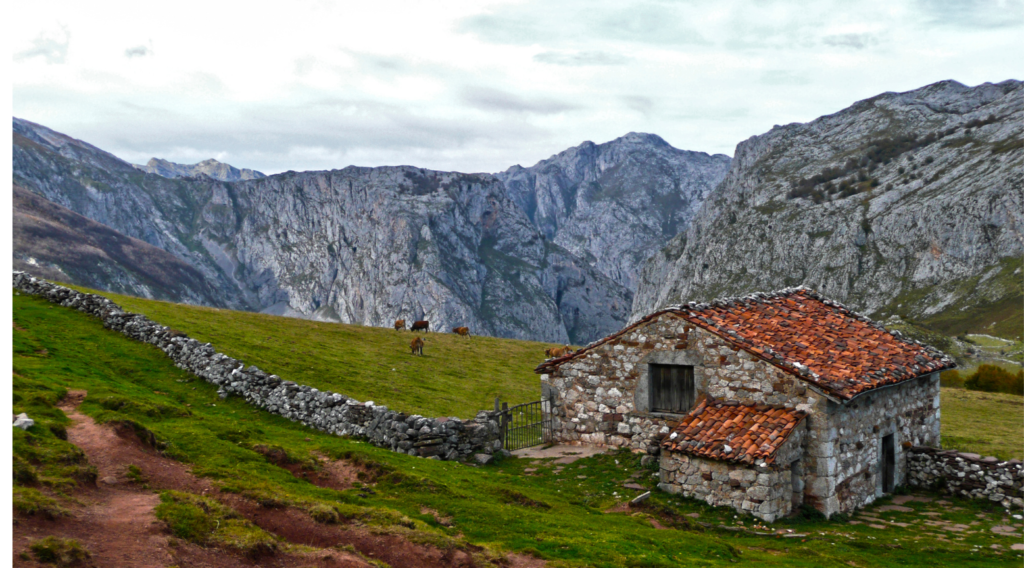
Best Time to Visit Asturias by Season
Spring (March–May)
Spring is one of the most rewarding times to visit Asturias. The region looks its greenest after winter. The countryside fills with fresh growth. Rivers flow strong. Mountain views stay clear. This season suits nature lovers and photographers. Changing light and new colors give the coast and inland areas a scenic feel.
Spring brings fewer tourists than summer. Towns and natural parks feel quiet. Popular sites feel more relaxed. Hiking trails, coastal paths, and rural villages stay easy to enjoy. Accommodation prices often feel more reasonable.
Spring works well for hiking, sightseeing, and road trips. Rain can appear, but it rarely takes over the day. Mild weather makes long hours outside feel comfortable. For many travelers, spring starts the best time to visit Asturias.
Summer (June–August)
Summer is the most popular time to visit Asturias. The region feels lively and social. This season brings the warmest weather. It suits beach time, swimming, and long days outside. Coastal towns and natural swimming spots draw many visitors. Many travelers come to avoid the intense heat found in other parts of Spain.
Summer also marks festival season. Local celebrations take place across the region. Food events and traditional fiestas fill the calendar. Coastal areas and larger towns feel busy. Restaurants and terraces stay full into the evening.
Summer has downsides. Crowds increase, and prices rise. July and August feel the busiest. Popular beaches, parks, and hotels can fill fast. Planning ahead helps. Even so, summer works well for travelers who want energy, beaches, and many activities in Asturias.
Autumn (September–November)
Autumn is often the best time to visit Asturias. It offers a balance of good conditions and fewer crowds. As summer ends, the region feels quieter. The landscape stays vibrant. Green hills mix with early autumn colors. Mountain and coastal views remain clear. The season feels calm and authentic. It suits slow travel.
Autumn works well for hiking. Trails feel less busy, especially in areas like the Picos de Europa. Conditions suit long walks. Rural areas stay active with local life. Many places feel easier to explore without peak-season pressure.
Autumn also connects closely to food and cider culture. Harvest season brings fresh local produce and traditional dishes. Gastronomy takes center stage. For many travelers, autumn feels like the most complete way to experience Asturias.
Winter (December–February)
Winter in Asturias feels quiet. You experience the region at a slower pace. This season suits you if you prefer local life. The weather feels cooler and often brings rain, especially along the coast. Higher areas can see snow. The mountains take on a different look. This contrast adds to the atmosphere, mainly in rural and mountain areas.
With fewer visitors, winter suits cultural trips and city breaks. You find cities like Oviedo more relaxed. You explore museums, historic centers, and local food without crowds. Accommodation prices stay lower. You see daily life as locals live it.
Winter does not suit beach time or long hikes. It shows you a more intimate side of Asturias. If you care about culture, food, and quiet places, winter can still feel rewarding.
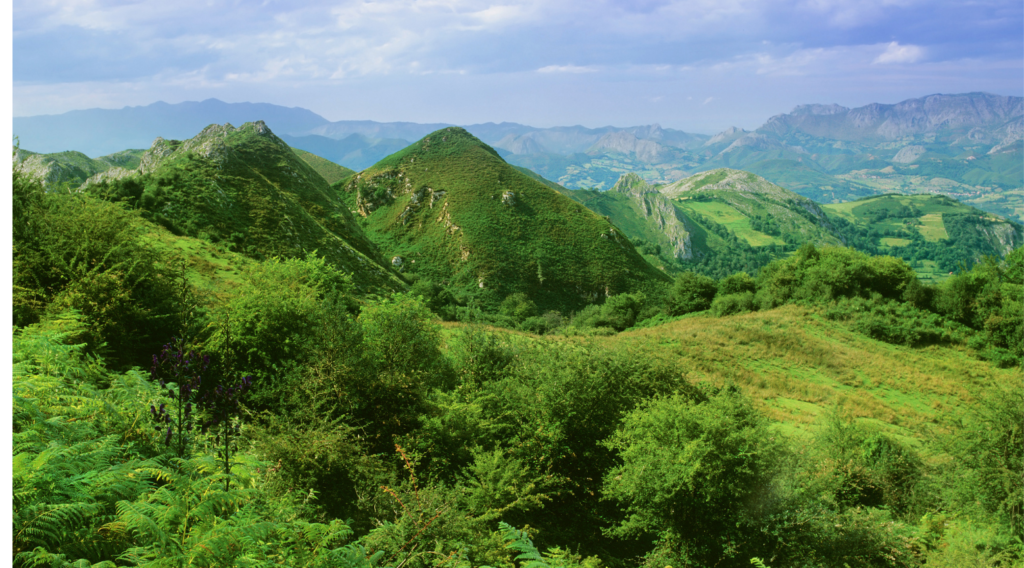
Times That May Be Less Ideal for Visiting Asturias
Asturias works as a year-round destination. Some periods suit you better than others. Knowing these moments helps you plan a trip that matches your expectations and travel style.
Late summer, especially August, feels the busiest. School holidays bring more visitors. Beaches, coastal towns, and popular nature spots fill up. The atmosphere feels lively. Prices rise, and availability drops. If you want a quieter trip, this won’t suit you.
Winter months feel calm and slow. Rain appears more often, especially compared to summer. Shorter days limit time outdoors, mainly for hiking or coastal plans. Even so, winter suits you if you care about culture and local food. You experience Asturias without crowds.
School holidays during the year affect crowd levels and prices. If you plan your visit just before or after these periods, you enjoy a more peaceful and flexible trip.

What to Pack for Asturias
Packing well matters for your trip to Asturias. The Atlantic climate and varied landscape cause quick weather changes. This happens often when you move between the coast, cities, and the mountains. When you prepare well, you stay comfortable and flexible during your trip.
Clothing Tips for Every Season
Layering matters when you travel in Asturias. It helps you adjust to changing temperatures during the day. A waterproof jacket works in every season. Short rain showers can appear, even in warmer months.
Comfortable walking or hiking shoes matter. Many experiences involve natural areas, historic streets, and uneven ground. When you pack with versatility in mind, you stay ready for whatever weather the region brings.
Final Thought
The best time to visit Asturias depends on what you want from your trip. For most travelers, late spring and early autumn feel the most balanced. You get comfortable weather and fewer crowds. These seasons suit exploring both the coast and the mountains.
Summer fits you if you love beaches and festivals. Towns feel lively, and days feel long. Winter suits you if you care about culture, food, and a slower pace. Asturias stays appealing all year, but the season you choose shapes your experience.
If you want the right mix of scenery, activities, and atmosphere, plan your visit outside peak summer. You enjoy Asturias at its most relaxed and authentic.
For help planning routes, places to stay, and top attractions, our Asturias travel guide covers everything in detail.
Frequently Asked Questions About Visiting Asturias
What is the best month to visit Asturias in Northern Spain?
For most travelers, the best months to visit Asturias are May, June, and September. You get pleasant weather and fewer crowds. These months suit exploring the coast, cities, and natural areas. Summer works well for beaches and festivals. Spring and early autumn fit sightseeing and outdoor plans better.
Is Asturias worth visiting for tourists?
Yes, Asturias is worth visiting. You enjoy it most if you care about nature, culture, and local experiences. The region stands out for green landscapes, a dramatic coast, and traditional villages. The atmosphere feels relaxed.
Compared to more tourist-heavy parts of Spain, Asturias feels less commercial. You experience a stronger local feel. This makes it a good choice for slow travel and exploration.
What are the best cities to visit in Asturias?
Some of the best cities and towns to visit in Asturias include Oviedo, where you explore a historic center and strong cultural heritage. You also enjoy Gijón, which offers a lively seaside feel.
Along the coast, you find towns like Llanes and Ribadesella. You visit them for beaches, scenery, and charming old quarters.
What are the best things to do in Asturias?
Asturias offers you a wide range of activities. You hike in the mountains and explore coastal cliffs. You visit historic cities and enjoy local food. Popular experiences include walking in Picos de Europa, relaxing on wild beaches, and discovering traditional villages. You also experience Asturian cider culture.
The region suits you well if you like to combine nature, food, and culture in one trip.
Pingback: Asturias Travel Guide: 13 Essential & Amazing Things to Know Before You Go | Rovenect
Pingback: 6 Best Things to Do in Asturias: Top Places & Experiences | Rovenect
Pingback: 7 Best Beaches In Asturias | Rovenect
Pingback: The Complete 10 Day Asturias Itinerary for an Amazing Adventure | Rovenect
Pingback: 2 Week Asturias Itinerary: A Stunning Adventure You’ll Absolutely Love | Rovenect
Pingback: 6 Most Beautiful Villages in Asturias | Rovenect
Pingback: What to Pack for Asturias: 6 Simple Tips for a Better Trip | Rovenect