
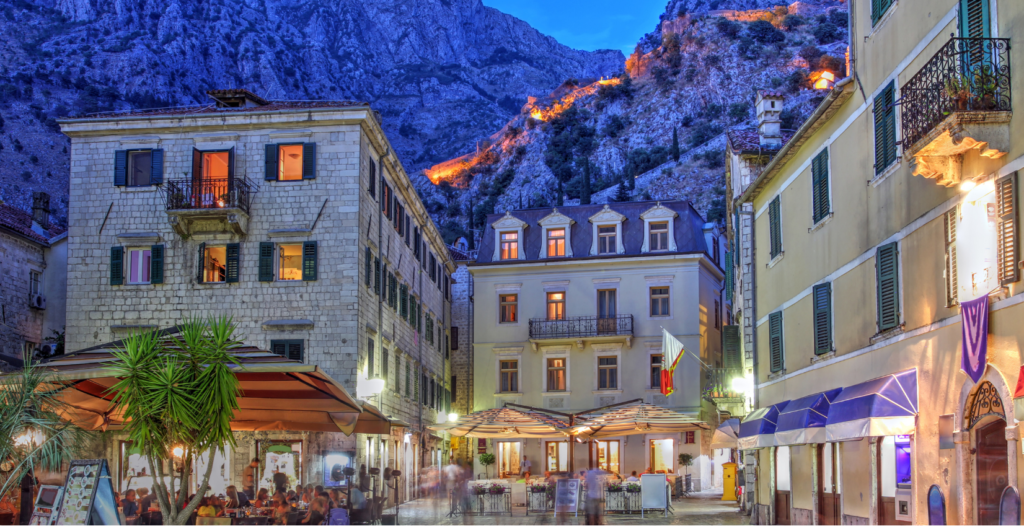
Montenegro is known for its Adriatic coastline, historic towns, mountain landscapes, and a mix of beach and outdoor activities in a relatively small area. Choosing the best time to visit Montenegro depends on what you want to do. Some months are ideal for swimming and nightlife, while others are better for hiking, sightseeing, or avoiding crowds. This guide explains how each season feels so you can decide what works best for your trip.
Understanding Montenegro’s Climate
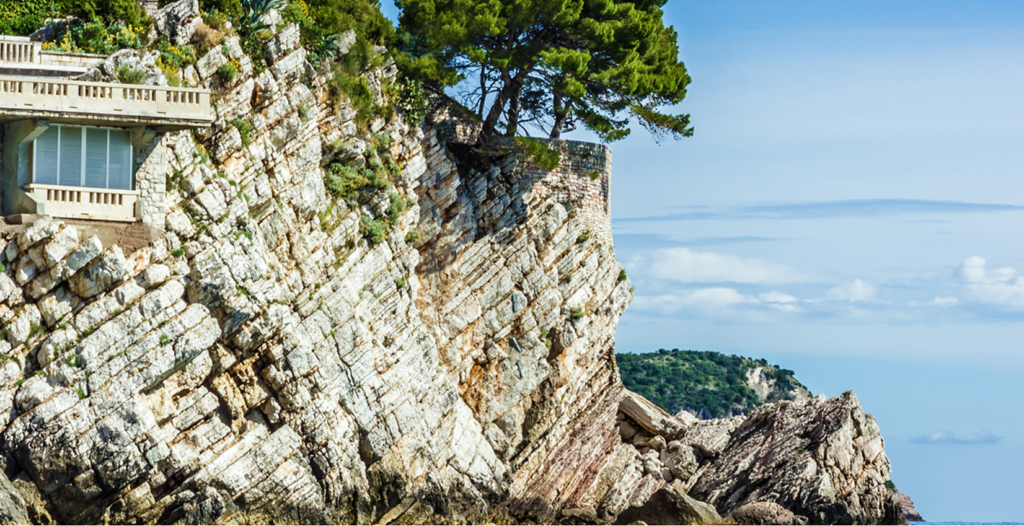
Montenegro has two main climate zones, and this affects when you should visit. Along the coast, the weather follows a Mediterranean pattern with hot, dry summers and mild winters. Inland and in the mountains, the climate is more continental, which means colder winters and more variation throughout the year.
If your plan is focused on coastal towns like Kotor or Budva, you’ll notice long sunny days in summer and relatively mild temperatures even in spring and autumn. On the other hand, places like Žabljak or the Durmitor region can still be quite cool in early spring and become snowy in winter.
Because of this contrast, the “best time” is not the same for everyone. A beach-focused trip and a hiking trip will naturally lead you to different months. It’s worth deciding your main priority first before choosing dates.
Summer: Peak Season for Beaches and Nightlife
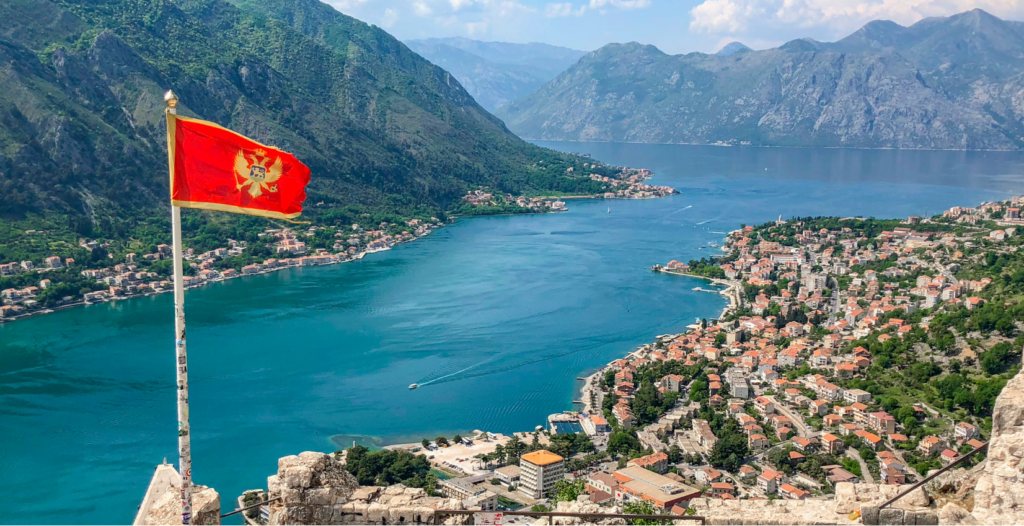
If your goal is to enjoy the coast, summer is the most popular time to visit. From June to August, the weather is consistently hot, with temperatures often above 30°C. The sea is warm, and beach conditions are ideal almost every day.
This is also when coastal towns are busiest. Budva becomes a center for nightlife, with clubs, festivals, and crowded beaches. Kotor and Perast see a steady flow of cruise visitors and tourists exploring the old towns. Everything is open, and there is a lively atmosphere everywhere you go.
However, there are trade-offs. Prices for accommodation are at their highest, and popular spots can feel crowded. If you prefer a more relaxed experience, late June or early September might give you similar weather with fewer people.
Spring: A Balanced and Underrated Choice
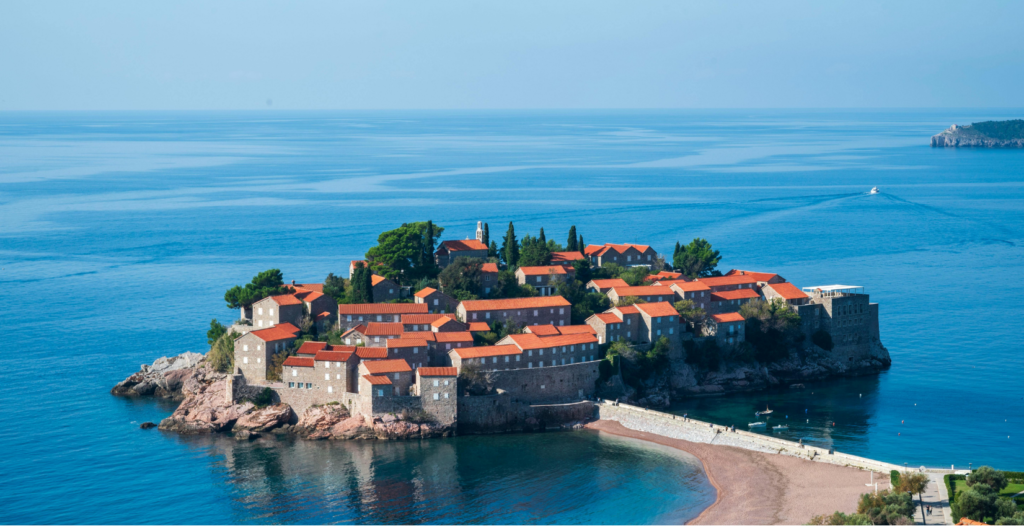
Spring, especially from April to early June, offers a good balance between weather and crowd levels. Temperatures are mild, usually ranging from 15°C to 25°C, which makes it comfortable for walking, sightseeing, and outdoor activities.
During this time, the landscape is greener, especially in the inland and mountain areas. It’s a good season for exploring national parks, hiking trails, and quieter towns without the summer crowds. Coastal areas are also pleasant, although the sea may still be too cold for swimming in early spring.
One advantage of visiting in spring is flexibility. You can combine coastal sightseeing with trips inland without dealing with extreme heat or heavy tourism. It’s a practical option if you want to see more than just the beaches.
Autumn: Warm Sea and Fewer Crowds
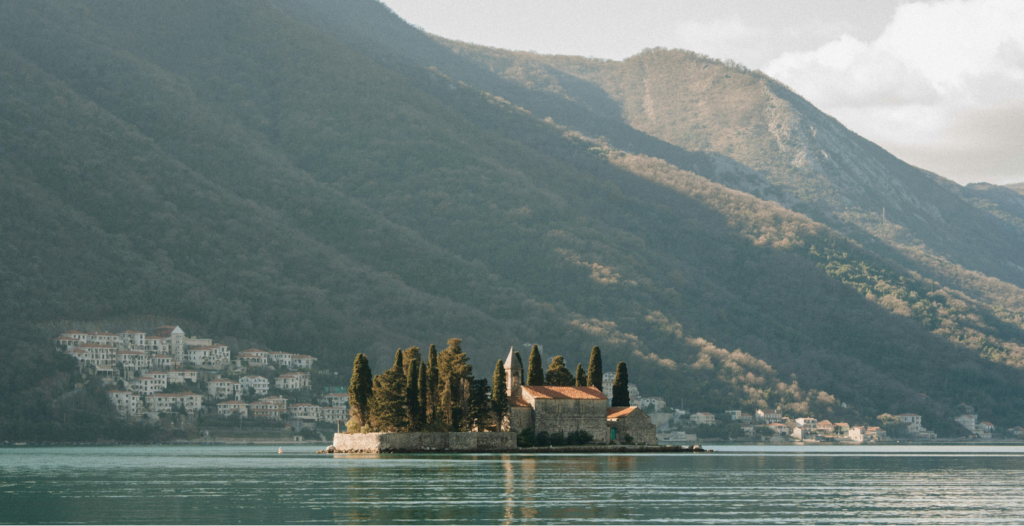
Autumn, particularly September and early October, is often considered one of the best times to visit Montenegro. The summer heat begins to ease, but the sea remains warm enough for swimming, especially in September.
Crowds start to thin out after August, which makes popular destinations more enjoyable. You can still enjoy beach days, but also explore towns and attractions at a slower pace. Prices for accommodation and flights also tend to drop compared to peak summer months.
As October progresses, the weather becomes less predictable, especially inland. Rain becomes more common, and some tourist services begin to close for the season. Still, early autumn offers a strong combination of good weather and a more relaxed atmosphere.
Winter: Quiet Travel and Mountain Activities
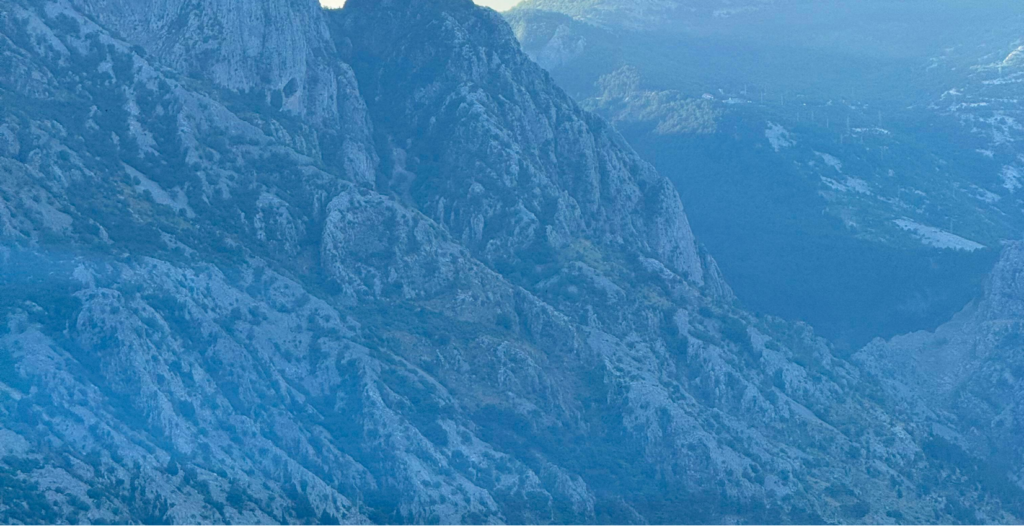
Winter is the least popular time for coastal tourism, but it has its own appeal. From December to February, coastal towns are much quieter, with fewer tourists and a slower pace of life. Temperatures remain relatively mild near the sea, usually between 5°C and 15°C.
In the mountains, winter brings snow and opportunities for skiing and winter sports, especially in areas like Durmitor. This makes Montenegro a dual-season destination, even though winter tourism is less developed compared to other European countries.
If you’re not interested in beaches and prefer quiet travel, winter can be a good time to visit. You’ll find lower prices, fewer crowds, and a more local experience. Just keep in mind that some attractions and restaurants may have limited hours or be closed.
Conclusion
The best time to visit Montenegro depends on what kind of trip you want. Summer is ideal for beaches, nightlife, and a lively atmosphere, but it comes with crowds and higher prices. Spring and autumn offer a more balanced experience, with comfortable weather and fewer tourists, making them strong choices for most travelers. Winter is quieter and better suited for those interested in mountains or a slower pace.
If you want a straightforward recommendation, late May to early June and September are often the most practical times to visit. You get good weather, manageable crowds, and more flexibility in how you explore the country.