
Introduction
Costa Rica is one of those destinations where you can wake up surrounded by rainforest, spend the afternoon on a beach, and finish the day in a mountain town. Its small size makes it easy to travel around, but the variety of landscapes means packing requires a bit of planning.
With tropical heat, sudden downpours, and activities ranging from ziplining to hot springs, bringing the right gear makes a big difference.
Whether you’re heading for the dry season sun or the lush green of the rainy months, smart packing ensures you can enjoy the country’s natural beauty without being weighed down by unnecessary items.
To make things even easier, you can download this packing list as a handy PDF to keep on your phone or print out for your trip.
How To Pack For Costa Rica
Varied climates
Costa Rica’s landscapes range from sunny beaches to cool highlands, so pack light, breathable clothing that you can layer.
Humidity
The air is humid year-round, making quick-dry fabrics far more practical than cotton or denim, which take too long to dry.
Rainy season
Sudden downpours are common between May and November, so a waterproof jacket and dry bags for electronics are worth the space.
Sun protection
Hats, sunglasses, and reef-safe sunscreen are everyday essentials — the sun is strong even on cloudy days.
Insect safety
Mosquitoes are common in coastal and rainforest areas, so keep repellent within easy reach.
Luggage choice
Travel often involves shuttles, boats, or small planes. A soft-sided suitcase or backpack is easier to manage than a bulky hard-shell case.
Pack light
Laundry services are widely available, and quick-dry clothes are easy to wash by hand. Fewer items make travelling between regions far simpler.
Packing List For Costa Rica
Absolute Essentials
Passport
You’ll need a valid passport to enter Costa Rica. Make sure it’s valid for your whole trip, and ideally have at least three months left to avoid airline issues. Keep a photocopy or digital copy as backup.
Travel documents (boarding passes, hotel bookings, itinerary)
Bring printed or digital copies of your flight details, hotel confirmations, and itinerary. Having them organised in one place makes check-ins smoother, and it helps if Wi-Fi or mobile data isn’t available.
Health insurance information
Travel insurance that includes health coverage is essential. Keep your policy details and emergency contact numbers handy in case of illness or accidents.
Prescription medications
Pack any prescription medicines you need in their original containers, along with a copy of your prescription. Bring extra in case of delays.
Power adapter
Costa Rica uses 110V, with the same plug type as the U.S. If you’re coming from elsewhere, bring an adapter so you can charge your devices.
Phone charger
A simple but easy-to-forget item. Pack your charger and consider a portable power bank for long travel days or excursions.
Sunscreen (reef-safe, SPF 30+)
Choose a reef-safe sunscreen with SPF 30 or higher. The sun is strong year-round, even on cloudy days
Insect repellent (DEET or picaridin)
Mosquitoes are common in many areas. Pack repellent with DEET or picaridin to protect yourself, especially in the rainy season.
Lightweight rain jacket or poncho
Sudden showers are part of the tropical climate. A compact rain jacket or poncho will keep you dry without taking up much space.
Quick-dry clothing (shirts, trousers, underwear)
Humidity makes cotton slow to dry. Bring shirts, trousers, and underwear made from quick-dry fabrics for comfort and convenience.
Comfortable walking shoes or hiking boots
You’ll likely do a lot of walking — from city streets to jungle trails. Choose sturdy shoes or hiking boots that you’ve already broken in.
Sandals or flip-flops
Handy for the beach, hot springs, or casual wear around town.
Reusable water bottle
Stay hydrated and cut down on plastic waste by carrying a refillable bottle. Many hotels and tour operators provide filtered water.
Small backpack or daypack
Useful for day trips, hikes, or carrying essentials like water, sunscreen, and snacks.
Copies of important documents stored separately
Keep photocopies or digital backups of your passport, insurance, and booking confirmations separate from the originals.
Credit/debit cards and some cash
Cards are widely accepted, but carry some colones or small USD bills for rural shops and local buses.
Nice-to-Have Items
Travel pillow
Makes long flights, buses, or car rides more comfortable.
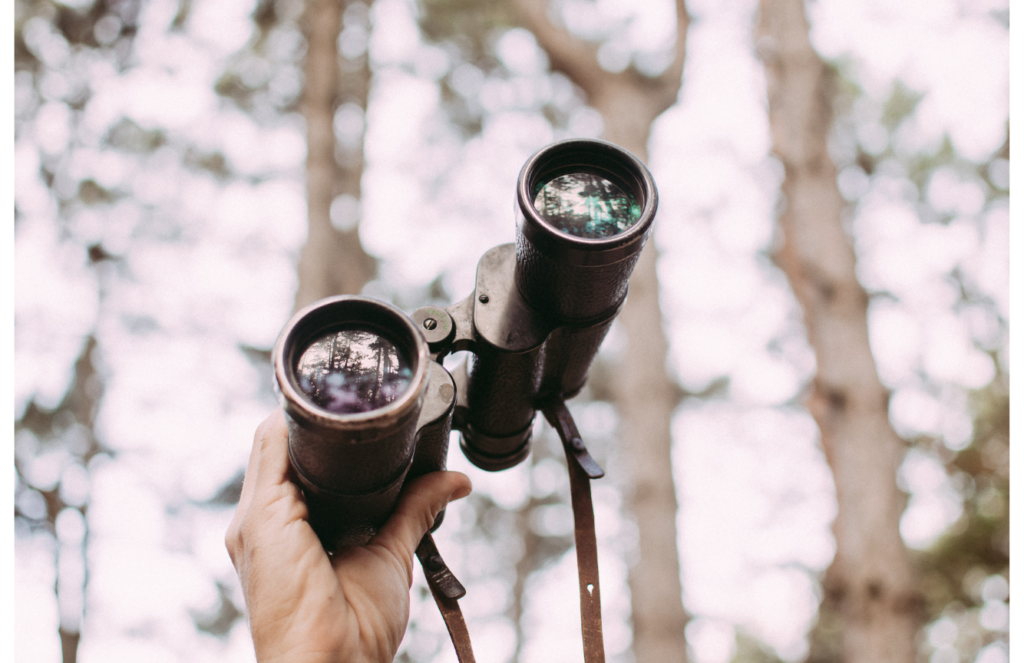
Binoculars (great for birdwatching and wildlife)
Great for birdwatching and spotting wildlife in national parks.
Dry bag (to keep electronics safe on boat tours or in heavy rain)
Keeps electronics safe on boat tours or during heavy rain.
Quick-dry towel
Useful as a backup for beaches, hot springs, or hikes
Portable charger / extra power bank
Essential for long travel days when outlets aren’t available
Waterproof phone pouch
Protects your phone from rain, splashes, and sand.
Lightweight scarf or shawl
Adds comfort in air-conditioned places or works as a cover-up.
Headlamp or small flashlight
Helpful for night walks, early tours, or power outages.
Reusable shopping bag (handy for groceries or beach gear)
Convenient for groceries, snacks, or carrying beach gear.
Snorkel gear (optional, can also rent locally)
Optional — you can rent locally, but bringing your own guarantees a good fit.
Packing cubes or compression bags
Keeps luggage organised and saves space.
Travel-size umbrella
Handy for quick showers when a rain jacket isn’t practical.
Motion sickness tablets (for boats and winding roads)
Useful for boat rides, mountain roads, or long bus journeys.
After-bite or anti-itch cream
Helps calm insect bites if repellent isn’t enough.
Extra pair of shoes (especially if hiking in rainy areas)
Gives you a dry or clean option if one pair gets muddy.
Travel locks for luggage
Adds a layer of security, especially on shared transport.
Notebook and pen (for journaling or practical notes)
For journaling, notes, or practical details on the go.
Small first-aid extras (band-aids, blister pads, rehydration salts)
Band-aids, blister pads, and rehydration salts are handy for minor issues.
Packing by Season
Dry Season (Dec–April):
Lightweight, breathable t-shirts
The dry season is hot and sunny, so pack breathable fabrics like cotton blends or quick-dry materials for comfort.
Lightweight trousers (for evenings or bugs)
Useful in the evenings for extra comfort and protection from mosquitoes.
Swimwear
Bring at least two sets if you plan on swimming or visiting hot springs often.
Flip-flops or sandals
Essential for the beach and handy for casual wear around town.
Comfortable walking shoes or sneakers
Comfortable shoes are best for city walks and light hikes when boots aren’t necessary.
Sunhat or cap
The midday sun is strong — a hat helps protect your face and neck.
Sunglasses with UV protection
A good pair will save your eyes from harsh glare at the beach and outdoors.
Reef-safe sunscreen (SPF 30+)
Sunburn happens quickly. Choose reef-safe options to protect both your skin and marine life.
Lip balm with SPF
Prevents dry, sunburned lips, which are easy to forget about.
Reusable water bottle
Hydration is key in the heat, and a refillable bottle helps cut down on plastic.
Light sweater or jacket (for cooler evenings in highlands)
Evenings in the highlands or San José can feel cool.
Small backpack or daypack
Practical for day trips — carry water, sunscreen, and other essentials easily.
Rainy Season (May–Nov):
Lightweight, quick-dry trousers/leggings
More practical than shorts in wet or muddy areas, and they dry much faster than jeans.
Rain jacket or poncho (waterproof, breathable)
A waterproof, breathable layer is essential for sudden downpours. Ponchos are easy to pack, while jackets give better coverage.
Waterproof backpack cover or dry bag
Keeps your clothes, electronics, and documents dry during heavy rain or boat trips
Hiking boots or waterproof trail shoes
Trails can get muddy and slippery. Proper footwear helps with grip and comfort
Extra pair of shoes (in case one gets soaked)
Shoes take a long time to dry in humidity, so having a backup saves trouble
Flip-flops or sandals (for wet conditions and indoors)
Useful indoors or when your main shoes are drying. Also good for casual outings
Swimwear
You’ll still want swimsuits for hot springs, beaches, or pools — two sets are practical
Insect repellent (more important in rainy months)
Mosquitoes are more common in wet months, so repellent with DEET or picaridin is essential
Reef-safe sunscreen (even on cloudy days)
Even on cloudy days, UV rays are strong. Daily sunscreen is still needed.
Hat or cap (with water-resistant material if possible)
A water-resistant hat helps with both rain and sun
Travel umbrella (compact)
Handy in cities or for light showers when you don’t want a rain jacket
Quick-dry towel
Compact and useful after rain or water activities
Plastic or waterproof bags for dirty/wet clothes
Separate wet or dirty clothes and protect valuables from moisture
Reusable water bottle
Hydration is important, even in cooler, rainy conditions.
Packing by Activity and Destination
Beaches (Tamarindo, Manuel Antonio, Santa Teresa, Puerto Viejo)
Swimwear (at least two sets)
Bring at least two sets so you always have a dry one ready for the next swim
Rash guard or UV shirt (for sun protection while swimming/surfing)
Strong sun makes these useful for swimming, surfing, or snorkelling while protecting your skin
Flip-flops or sandals
Easy for sand and water, and they dry quickly
Beach towel or quick-dry towel
A lightweight option is easier to carry and dries faster than a regular towel
Lightweight cover-up or sarong
Handy for moving between the beach and cafés or shops
Reef-safe sunscreen (SPF 30+)
Protects your skin and the marine environment. Apply often, especially after swimming
Sunglasses with UV protection
The glare from sun and water can be harsh, so good sunglasses are essential
Sunhat or cap
Adds extra sun protection during long hours on the sand
Reusable water bottle
It’s easy to dehydrate at the beach, so carry water with you
Waterproof phone pouch or dry bag
Keeps your phone and valuables safe from sand and splashes
Snorkel gear (optional, can rent locally)
You can rent locally, but bringing your own means it always fits comfortably.
Lightweight shorts and tank tops
Casual and practical for relaxing before or after the beach
Aloe vera gel or after-sun lotion
Helpful if you get a bit too much sun
Insect repellent (for evenings near the beach)
Useful in the evenings near beachside bars or restaurants where mosquitoes come out
Rainforest & Adventure (Monteverde Cloud Forest, Arenal Volcano, Tortuguero)
Hiking boots or sturdy trail shoes (preferably waterproof)
Trails can be muddy, uneven, and slippery, so proper footwear is a must. Waterproof options are best for comfort.
Lightweight, quick-dry trousers
These protect your legs from insects and plants, and they’re easier to manage in humidity than jeans.
Long-sleeve shirts (for sun and insect protection)
Good for sun and insect protection. Quick-dry fabrics help you stay comfortable on hikes.
Lightweight rain jacket or poncho
Sudden showers are common in rainforest regions, so pack a reliable rain layer
Moisture-wicking socks
They help keep your feet dry and reduce blisters during hikes
Hat or cap (for rain or sun)
Useful for both sun and rain, especially on longer treks
Insect repellent (strong, DEET or picaridin)
Mosquitoes and other insects are part of the rainforest experience — repellent with DEET or picaridin makes a big difference.
Binoculars (for bird and wildlife watching)
Great for spotting wildlife and birds that are otherwise hard to see.
Small backpack or daypack
Carry water, snacks, and gear comfortably during excursions
Waterproof backpack cover or dry bag
Protects your belongings from rain or river spray.
Reusable water bottle or hydration pack
Staying hydrated is important when hiking in humid conditions.
Quick-dry towel
Useful after rain, swimming, or sweaty hikes.
Flashlight or headlamp
Essential for night walks, power outages, or early-morning tours.
Plastic/waterproof bags for wet or dirty clothes
Keep wet or dirty clothes separate from the rest of your gear.
Travel-size first-aid kit
Nights in Monteverde and other higher elevations can be surprisingly cool.
Lightweight fleece or sweater (nights in Monteverde can be cool)
City Visits & Dining Out (San José, Liberia)
Casual T-shirts or polo shirts
Comfortable tops that work for sightseeing by day and casual dining by night.
Lightweight trousers, chinos, or jeans
Good for evenings out, museums, or air-conditioned spaces where shorts may feel too casual.
Comfortable walking shoes or sneakers
Cities involve a lot of walking — choose shoes you can wear all day without discomfort.
Light sweater or jacket
Evenings can feel cooler in San José, especially indoors with strong air conditioning.
Casual dress or skirt (for women)
Easy to wear for evenings out or slightly dressier restaurants.
Collared shirt or neat short-sleeve shirt (for men)
Adds a polished touch for restaurants or nightlife without being formal.
Small crossbody bag or daypack
Keeps essentials close and secure while exploring the city.
Sunglasses
Useful for bright days, even in urban areas.
Reusable water bottle
Stay hydrated as you explore museums, markets, or neighbourhoods.
Travel umbrella (compact)
Showers can happen even in cities, so a small umbrella is practical.
Minimal jewellery and accessories
Best to keep valuables simple and avoid unnecessary attention.
Credit/debit cards and small cash
Most places accept cards, but small shops or taxis often prefer cash.
Lightweight scarf or shawl (optional)
Adds comfort in chilly indoor spaces and a touch of style.
Hot Springs & Wellness (La Fortuna, Rincón de la Vieja)
Swimsuits (bring at least two)
Bring at least two, since one often won’t dry overnight in humid conditions.
Quick-dry towel
Lighter and faster-drying than a regular towel, perfect after soaking in hot springs.
Waterproof sandals or flip-flops
Non-slip and easy to wear around pools and spa areas.
Lightweight cover-up or sarong
Useful for moving between hot springs and common areas without changing clothes.
Plastic/waterproof bag for wet clothes
Keeps wet swimwear separate from the rest of your belongings.
Reusable water bottle
Hot springs can dehydrate you — keep water close by.
Lightweight shorts and t-shirts for after soaking
Comfortable clothes to change into after soaking.
Aloe vera gel or after-sun lotion (if visiting during the day)
Helpful if you’ve spent part of the day in the sun before visiting the springs.
Hair ties or headbands
Keeps hair out of the way in pools or spa treatments.
Small waterproof pouch for valuables
Protects items like your phone, cash, or keys while you’re in the water.
Packing With Kids:
Extra sets of lightweight clothing
Kids get messy quickly, so pack more than you think you’ll need. Quick-dry fabrics make laundry easier.
Swimwear and water shoes
Water shoes protect small feet from rocks or slippery surfaces, while extra swimsuits keep the fun going.
Sunhat and sunglasses
Helps shield children from the strong tropical sun.
Reef-safe sunscreen (kid-friendly formula)
Choose gentle formulas made for children’s sensitive skin
Child-safe insect repellent
Mosquito protection is important, especially in the evenings and near forests.
Reusable water bottle or sippy cup
Keeps kids hydrated on excursions and travel days.
Snacks for travel days and excursions
Handy for bus rides, flights, or long tours when food might not be available right away.
Entertainment (books, colouring, small toys, tablet with headphones)
Books, colouring sets, small toys, or a tablet with headphones help pass time during travel.
Lightweight stroller or baby carrier (depending on age and destinations)
A stroller is practical in cities, while a carrier is easier for trails or uneven paths.
Travel crib or portable bed rail (if not provided by accommodation)
Not all accommodations provide them, so bring one if your child needs it for sleep.
Wet wipes and hand sanitiser
Essential for cleaning up spills and sticky hands on the go.
Nappies/diapers and swim diapers (if needed)
Stock up before leaving — these can be harder to find outside larger towns.
Small first-aid kit (children’s pain relief, band-aids, rehydration salts)
Include children’s pain relief, band-aids, and rehydration salts for common travel issues.
Favourite blanket or comfort item for sleeping
A familiar item can make bedtime easier in new places.
Waterproof bag for wet or dirty clothes
Keeps the rest of your luggage clean and dry.
Packing Extras For women:
Lightweight dresses or skirts
Great for warm evenings, dining out, or casual city days.
Modest outfit or shawl (for cultural or religious sites)
Useful if you’re visiting cultural or religious sites.
Lightweight cover-up or sarong
Makes it easy to transition from beach to café or hotel.
Sports bra / comfortable bras
Helpful for hikes, ziplining, or any adventure activity
Small crossbody bag or daypack
Practical for keeping essentials close while exploring.
Feminine hygiene products (not always easy to find in rural areas)
These can be harder to find in rural areas, so bring enough for your trip.
Hair ties or headbands
Keep hair secure in humid conditions or during activities.
Minimal make-up (humidity makes heavy make-up impractical)
Humidity makes heavy make-up impractical, so stick to essentials.
Packing Extras For Men:
Breathable long-sleeve shirt (for sun or bugs)
Protects against both sun and mosquitoes, especially in rural or forested areas.
Swim trunks (at least two)
Pack at least two so you always have a dry pair ready.
Small backpack or daypack
Handy for carrying water, sunscreen, and daily essentials
Belt (lightweight or travel style)
Practical if you’re packing trousers or jeans.
Travel-size laundry detergent (for hand-washing clothes)
Helpful for washing clothes by hand if you’re packing light.
What Not to Bring
Heavy jeans or bulky clothing
They’re uncomfortable in heat and take too long to dry in humid conditions.
Thick jackets or sweaters
Unnecessary in the tropical climate — a light sweater is enough for cooler evenings.
Expensive jewellery or valuables
Better left at home to avoid loss or unwanted attention.
Too many pairs of shoes
Shoes take up space and weight — stick to versatile options.
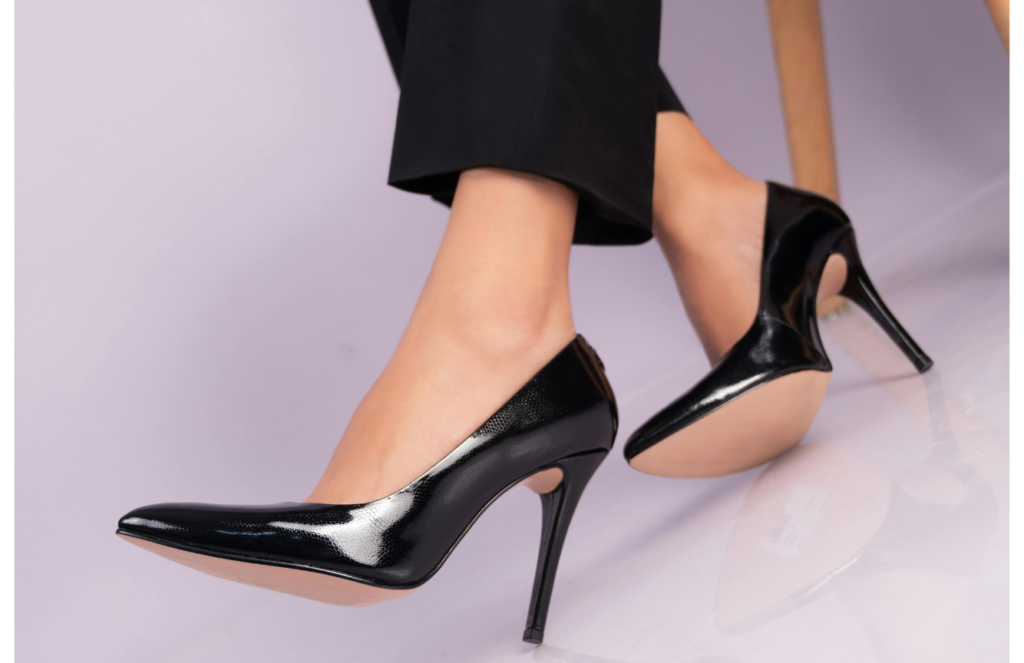
High heels
Impractical for beaches, cobblestone streets, or uneven paths.
Large amounts of cash
ATMs are widely available, and cards are accepted in most tourist areas.
Multiple electronic devices (laptops, tablets, gaming consoles)
Laptops, tablets, and gaming consoles add bulk and risk — bring only what you’ll use.
Hair dryers or styling tools (most hotels provide them, and humidity makes them less useful)
Most hotels provide dryers, and the humidity makes heavy styling difficult.
Non–reef-safe sunscreen
Damages coral reefs and marine life — always choose reef-safe
Single-use plastic bottles or bags (many areas encourage eco-friendly alternatives)
Costa Rica promotes eco-friendly alternatives, so reusable items are preferred.
Large hard-shell suitcases (awkward on small shuttles and boats)
Large hard-shell suitcases

Tips
Cash and card:
ATMs are widely available, and credit cards are accepted in most tourist areas. Keep small bills for taxis, markets, and rural towns.
USD and colones:
U.S. dollars are accepted in many places, but paying in colones often gives better value in local shops and restaurants.
Tipping:
Not required, but appreciated. In restaurants, a 10% service charge is often included; if not, adding around 10% is polite. A few dollars for guides or drivers is also common.
Budget:
Daily costs vary by region. Beach towns are generally more expensive, while local sodas (small, family-run restaurants) serve hearty meals at budget-friendly prices.
Final Thought
Packing for Costa Rica is about balance. Focus on lightweight, versatile clothing, and don’t forget the essentials that keep you safe in the sun, rain, and varied terrain. With the right gear, you’ll be ready for beaches, rainforests, cities, and hot springs without overpacking.
Travel light, stay flexible, and enjoy everything Costa Rica has to offer.