
Introduction
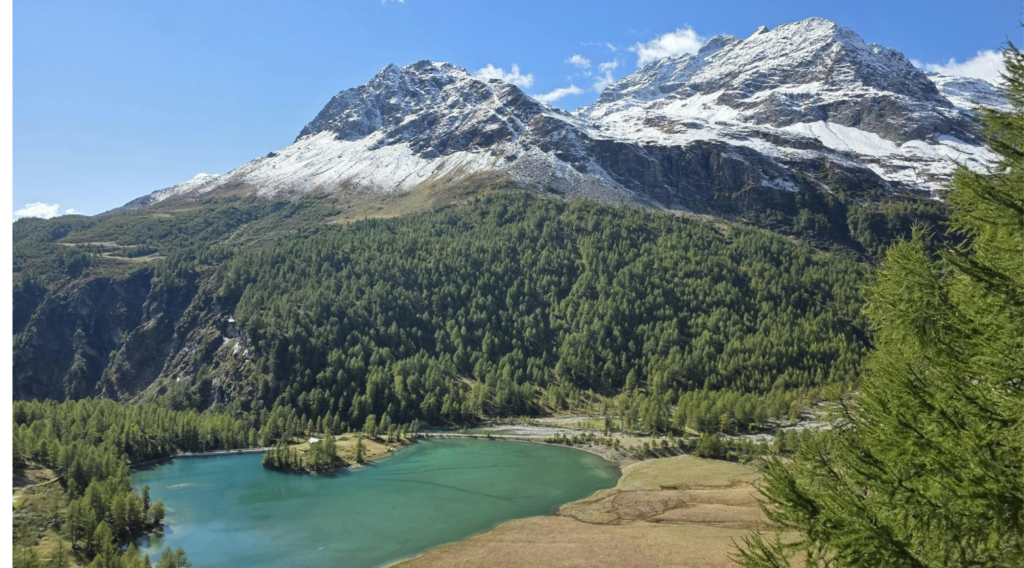
Ski resorts in summer suit you if you are looking for mountain landscapes and cooler temperatures. They also work well if you want direct access to outdoor activities, without the intensity of the winter season. Many of these destinations remain fully operational outside the ski months. Lift systems keep running. Trail networks stay open. Resort towns adjust for hiking, cycling, and longer stays.
This guide brings together a curated selection of ski resorts around the world for summer travel. It does not focus on winter reputation. Instead, the recommendations are based on how these resorts function during the warmer months. Landscape matters. So do available activities, accessibility, and the type of experience you can expect in summer.
Ski Resorts Worth Visiting in Summer
The ski resorts listed below are selected for how well they function as summer destinations. Not for their winter reputation. Each recommendation looks at landscape, available activities, and ease of access. It also considers how the resort environment translates outside the ski season.
The focus stays on practical differences. This makes it easier to quickly identify which destinations match how you want to spend your time in summer.
1. Zermatt — Switzerland
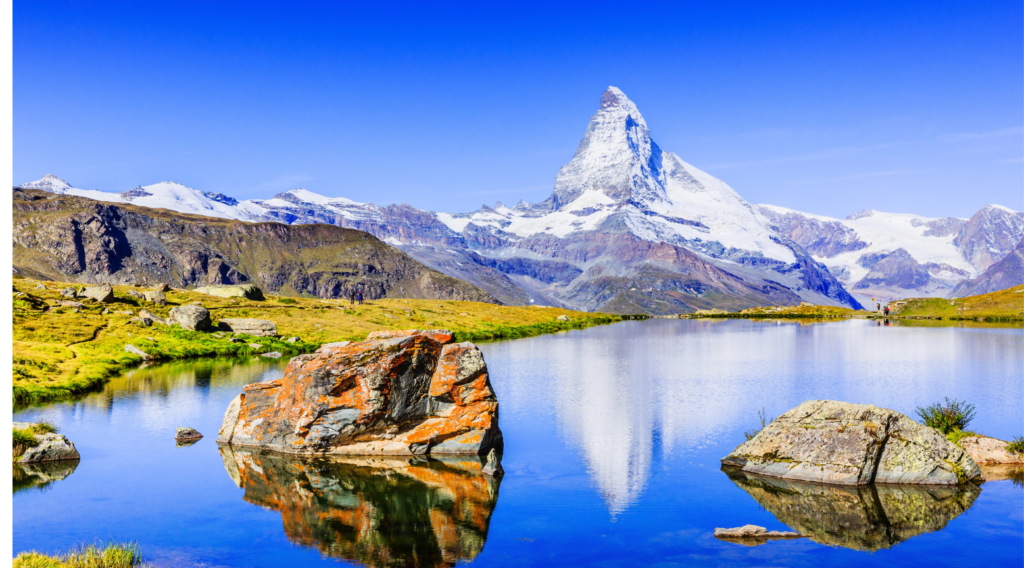
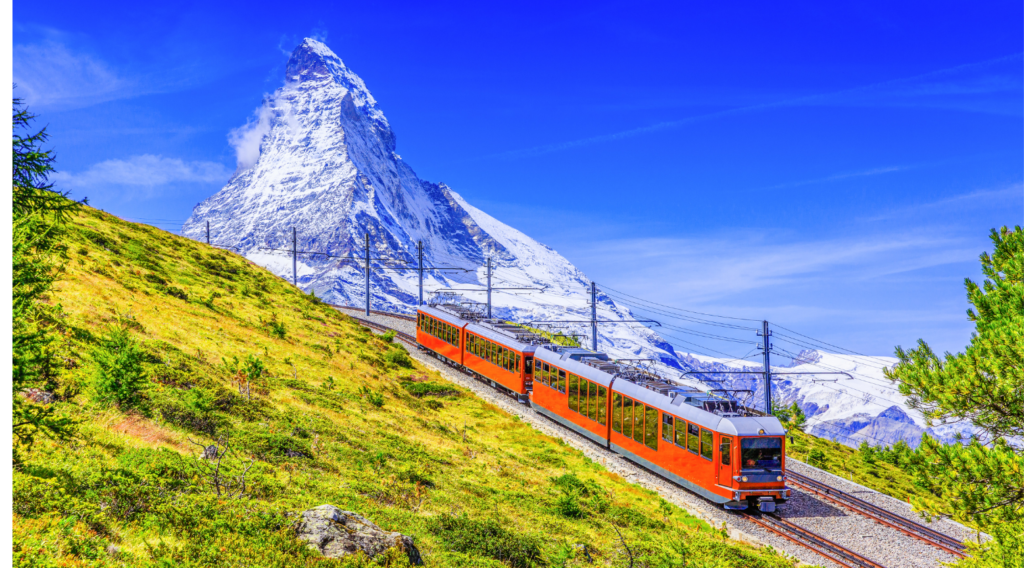
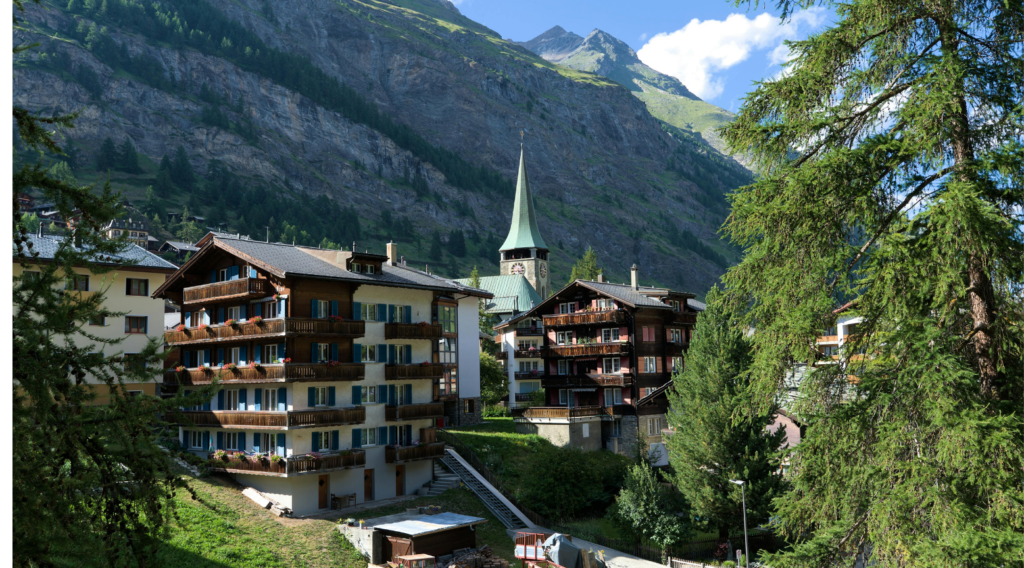
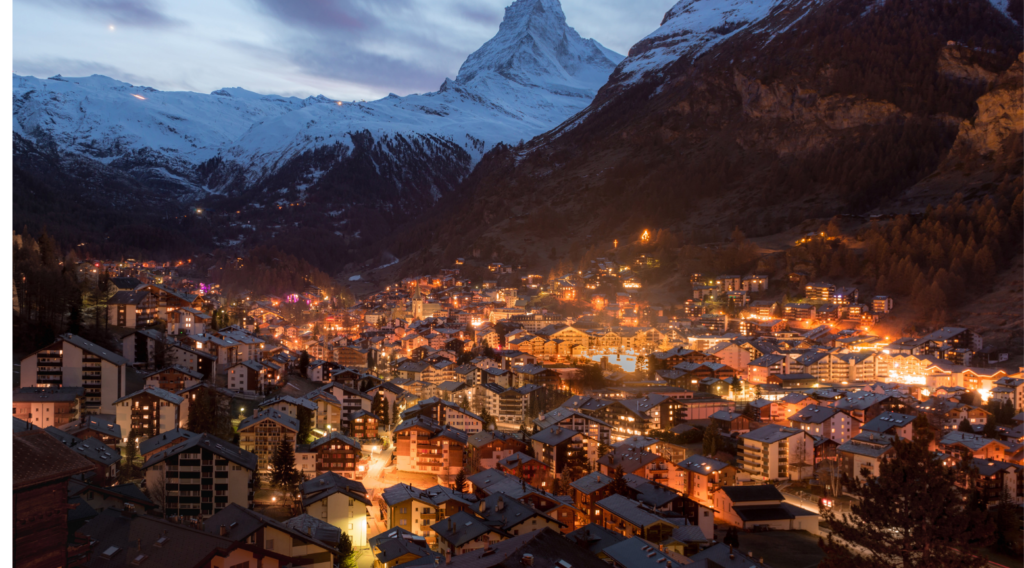
In summer, you experience Zermatt as a high-alpine village set among glaciers and sharp peaks. The Matterhorn is a major feature of the area and can be seen from many places in and around the village. Outside the ski season, the car-free centre remains active, and much of the mountain infrastructure continues to operate. This makes it easy to move between elevations using mountain railways rather than long road transfers.
Summer activities focus mainly on hiking and mountain travel. You have access to an extensive network of marked trails at different altitudes. Mountain railways connect the village to areas such as Gornergrat and Klein Matterhorn, with lift-assisted glacier access available year-round, subject to conditions. At lower elevations, you also find routes suited to trail running, while mountain biking is possible on designated trails.
The best time to visit Zermatt in summer generally runs from late June to early September. This is when most lifts are operating and the majority of hiking trails are free of snow, depending on the season. July and August typically offer the most stable conditions, while late June and early September are quieter.
Zermatt suits travellers who prefer structured access to high-mountain landscapes, where well-maintained infrastructure plays an important role. The resort works particularly well for active travellers and couples who plan to spend most of their time outdoors, while staying in a compact and well-organised environment.
2. St. Moritz — Switzerland
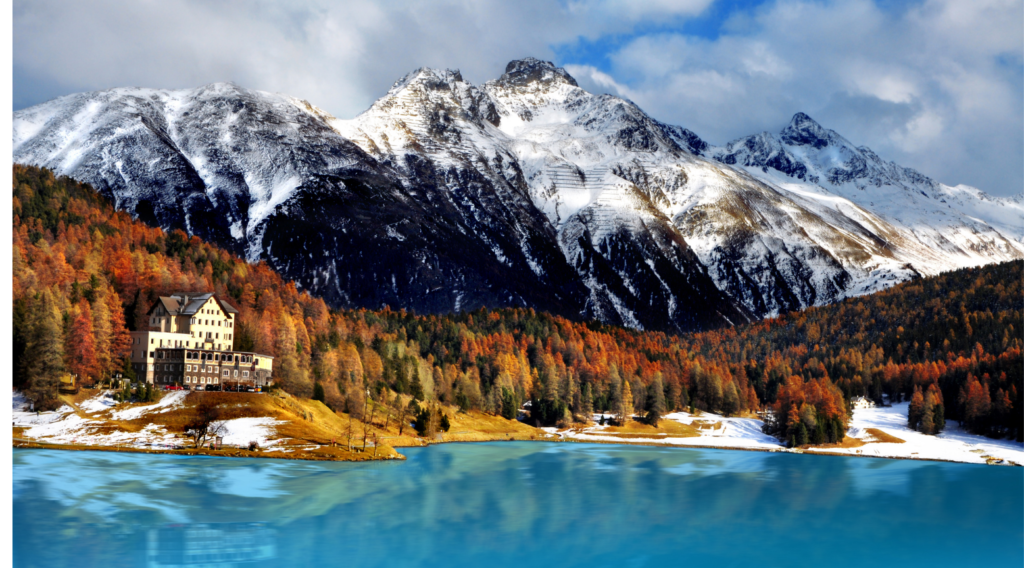
St. Moritz feels very different in summer. Especially when compared to the peak winter months. Snow and ski crowds fade away, replaced by open valleys, lakes, and wide walking paths. The resort sits in the Engadin Valley, where the landscape opens up more than in places like Zermatt or Chamonix. The terrain feels less steep. More spread out.
You have access to several alpine lakes. Lake St. Moritz and Lake Silvaplana are central to summer activity. Walking paths line the shores. Cycling routes connect nearby areas. Water sports are common. The valley also works well for both road cycling and mountain biking, with clearly marked trails linking towns and viewpoints.
Lift systems continue to operate through summer. This lets you reach higher terrain without long climbs. From there, hiking routes cross open landscapes and follow ridgelines with wide views over the Engadin Valley. Cultural events stay active. So do restaurants and wellness facilities. You have plenty of options beyond outdoor activities.
3. Chamonix
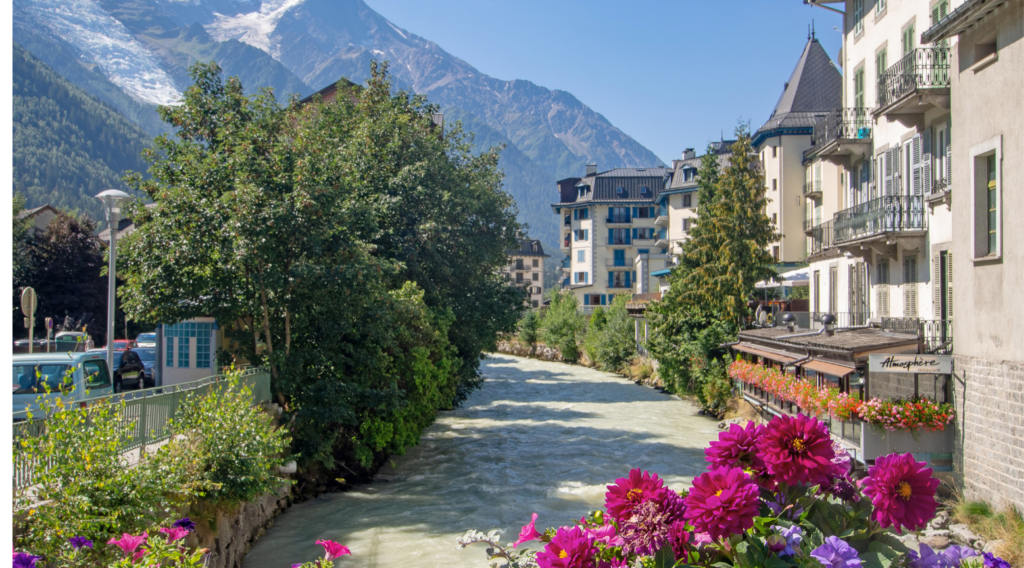
You associate Chamonix with high-mountain environments. Summer is when much of that landscape becomes accessible. No technical winter equipment required. As snow retreats from the valley floor, the area opens up. Hiking, climbing, and sightseeing take centre stage, largely focused on the Mont Blanc massif. Throughout the warmer months, the town stays active, supported by a strong outdoor culture and long-established tourism infrastructure.
One of the main summer draws is the lift and cable car system. It saves time. It reduces long approaches. High-altitude viewpoints and trailheads become easy to reach. The Aiguille du Midi cable car stands out in particular. It takes you straight into the alpine environment. From there, you look out across glaciers and surrounding peaks. Upper stations also offer short walking routes and observation areas, letting you experience the terrain without committing to full alpine ascents.
Hiking options give you plenty of choice. Some routes follow gentle valley paths. Others are more demanding and involve significant elevation gain. Trails link neighbouring villages, alpine lakes, and mountain refuges. This makes it easy to adjust plans based on experience and conditions. If you’re drawn to more technical pursuits, summer is also the main season for mountaineering, climbing, and guided glacier travel.
Away from the trails, the town remains lively. Restaurants, cafés, and shops operate at full capacity. Sporting and mountain-focused events run throughout the summer months. This balance between challenging alpine terrain and an accessible town centre makes Chamonix a strong fit if you want close contact with high mountains, while keeping comfort and services within easy reach.
4. Whistler
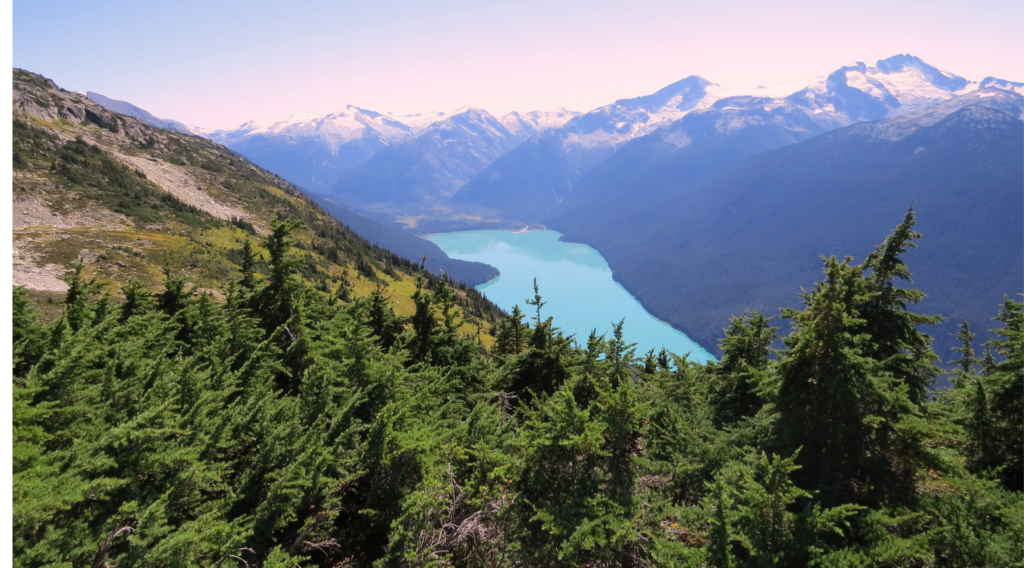
Whistler operates as a full-scale mountain resort throughout the summer season. Much of the winter infrastructure shifts into warm-weather use. As the snow melts, ski slopes and lift systems turn into access points for hiking, cycling, and alpine sightseeing. The resort’s size matters here. You find a wide range of activities available, while the village stays active across the summer months.
Mountain biking stands out as one of the most prominent summer activities. Nowhere is this clearer than in the lift-served bike park. It ranks among the largest of its kind and attracts riders of many skill levels. Beyond downhill terrain, the landscape opens up further. Cross-country trails and forest paths extend cycling options beyond the bike park itself. The activity feels more accessible. Less specialised.
Hiking also plays a central role in Whistler’s summer appeal. Trails move through forested terrain, alpine meadows, and higher elevations with views across the Coast Mountains. Many routes start from gondola-accessible points, reducing the need for long climbs. This keeps outings flexible. Short walks work just as well as longer day hikes. Alpine lakes around the resort often become natural stopping points along the way.
The pedestrian village remains the centre of activity in summer. Restaurants, cafés, and shops operate at full capacity. Festivals, outdoor events, and seasonal markets shape the atmosphere. This balance between easy outdoor access and a compact village layout makes Whistler a strong option if you prefer a resort-based summer destination with reliable services and clear structure.
5. Aspen
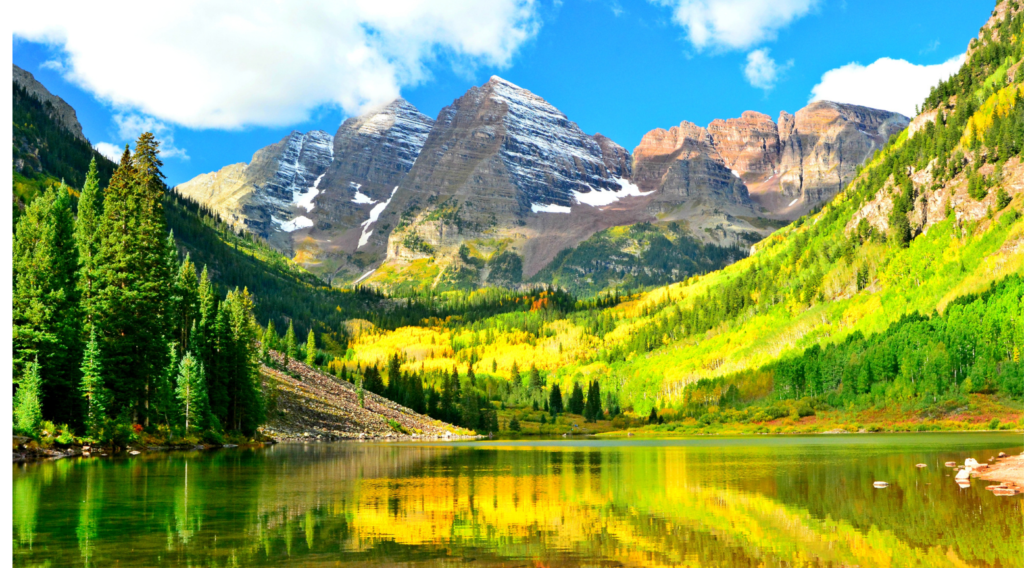
Aspen transitions smoothly from a winter ski destination into a summer mountain town. You notice the shift quickly. The focus moves toward outdoor access and cultural activity. As snow clears from the surrounding peaks, hiking, cycling, and scenic drives become easier to reach. The town stays active as well. Events and festivals run throughout the summer season.
Hiking becomes one of the main summer draws. Trails around the Maroon Bells rank among the most well known in Colorado. You can choose short walks or commit to longer day hikes. Lift systems on Aspen Mountain and Snowmass continue operating in summer. This gives you access to higher elevations and trailheads without long ascents. From these routes, wide views open up across the Elk Mountains and surrounding valleys.
Aspen places a clear emphasis on cultural programming during the warmer months. You are not limited to outdoor recreation. Music, film, and arts festivals take place regularly, attracting visitors who want more variety. The town takes on a different rhythm. Less sport-focused. More balanced.
In the town centre, the layout stays compact and easy to navigate. Restaurants, galleries, and public spaces cluster closely together. Everything feels within reach. With well-maintained trails and accessible transport to nearby mountains, Aspen offers a summer environment that balances outdoor activity with structured cultural events.
6. Niseko
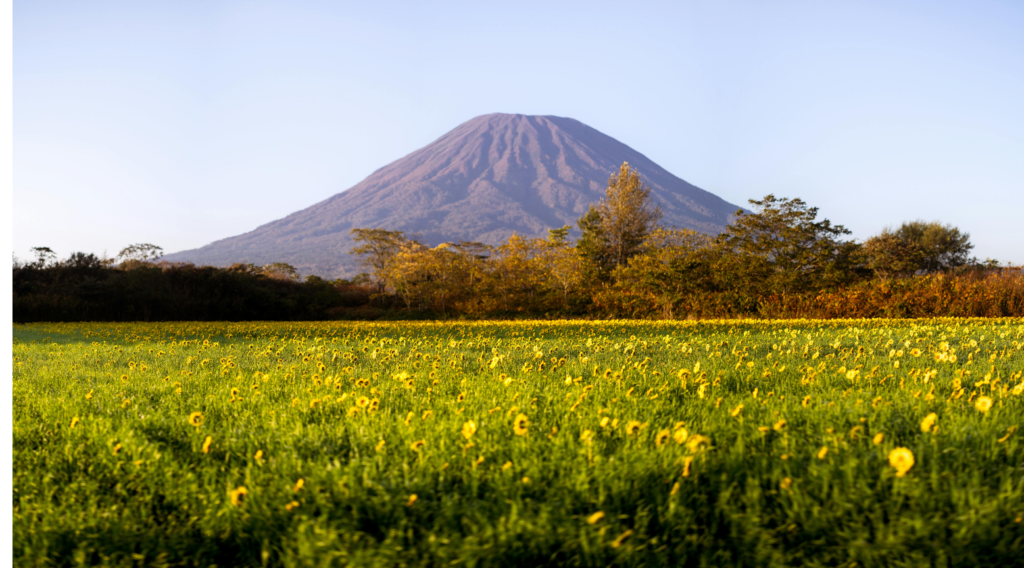
Niseko is best known for its winter snow, but summer shows you a different side of the area. The landscapes open up, and the pace slows noticeably. Located in Hokkaido, Niseko benefits from cooler summer temperatures than much of Japan. Outdoor time feels more comfortable. Less humid. Easier to sustain.
Hiking becomes a key summer activity, especially around Mount Yotei. You can follow gentler trails at lower elevations or choose steeper routes that climb higher. Views open out across farmland and forest. Compared with larger Alpine resorts, trails here are usually quieter. That suits you if you prefer fewer crowds and a slower rhythm.
Summer also supports cycling, rafting, and golf. Facilities adapt once the ski season ends. You can join guided rafting trips on local rivers, or cycle along rural roads and mountain paths. Hot springs remain open year-round. This part of the experience stays constant, regardless of season.
Village areas operate at a lower level than in winter. Still, restaurants, cafés, and accommodation remain available. The atmosphere feels calm overall. More understated. Niseko works well if you are looking for a relaxed mountain stay rather than a busy, high-energy resort environment.
7. Queenstown
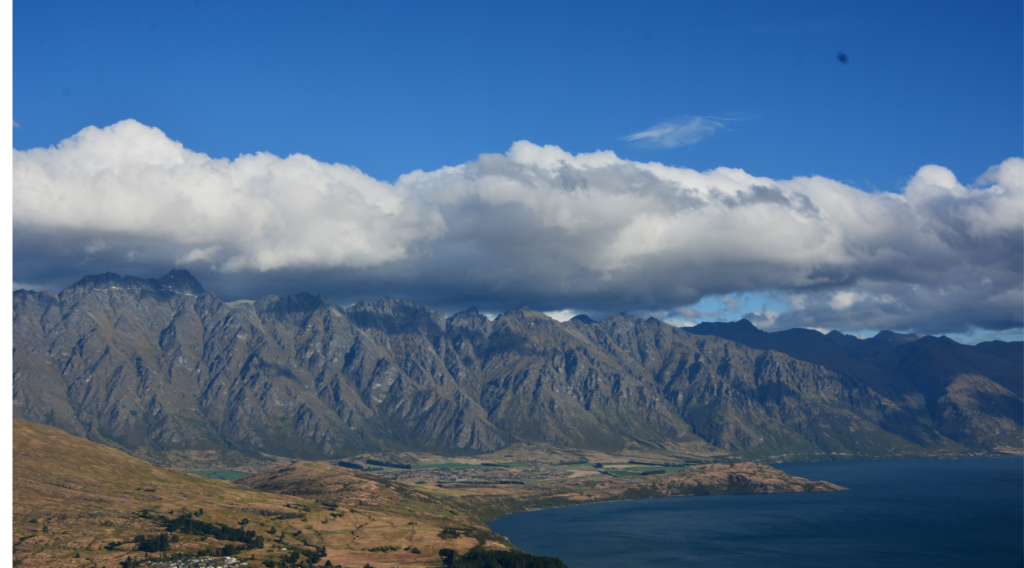
Queenstown works as a year-round mountain destination, with summer standing out as the most active period. When the ski season ends, the focus shifts. Hiking takes priority. So do lake activities and nearby mountain ranges. Set beside Lake Wakatipu, and with easy access to national parks, Queenstown supports a wide range of outdoor options during the warmer months.
Hiking plays a central role in summer. Trails like the Queenstown Hill Walkway and the Ben Lomond Track lead you to elevated viewpoints above the town and lake. Gondolas continue operating through summer. This removes the need for long climbs. From the upper stations, walking routes extend along ridgelines and open slopes.
Lake Wakatipu becomes a defining feature of the season. You can kayak. Join boat cruises. Or follow lakeside walking paths. Nearby areas also suit swimming and picnics. Visually, the lake anchors the town. Practically, it shapes both short walks and longer day routes that begin close to the centre.
The town itself stays busy throughout summer. Restaurants, cafés, and activity providers operate at full capacity. Queenstown’s reputation for adventure tourism carries through the season, with operators adapting their services to summer conditions. This combination of trails, water-based activities, and compact town infrastructure suits you if you want variety without travelling far.
How to Choose the Right Ski Resort for Summer
The ski resorts in this guide show how different summer experiences can be. Variety is the point. What works best for you depends less on winter reputation and more on how a resort functions once the snow is gone.
Some resorts centre their summer offering on hiking and high-altitude access. Lift systems stay open. Trails begin well above the valley floor. You see this most clearly in Alpine destinations with dense cable car networks and glacier terrain. Other resorts shift their focus toward cycling or adventure-based activities. Ski infrastructure adapts, supporting mountain biking, gondola access, and large trail systems through the summer months.
Climate and geography create clear contrasts. High-elevation European resorts often deliver cooler summer conditions. In Canada, Japan, and New Zealand, forests, lakes, and open landscapes help balance warmer weather. Northern destinations tend to feel quieter in summer. Southern hemisphere resorts, by contrast, often reach peak activity during the same months.
The summer atmosphere also changes from place to place. Some resorts remain busy, with festivals, events, and an active town centre. Others slow down once winter tourism fades. This affects you directly. Restaurant availability shifts. Trail and viewpoint crowd levels change.
Infrastructure plays a key role as well. Resorts that keep gondolas, transport links, and accommodation running year-round make summer travel easier. Often, you don’t need a car. Across the destinations included here, strong year-round operations consistently offer the most flexible and accessible summer experiences.
Taken together, these factors explain why the resorts listed work well in summer. They also show why one destination may suit your travel style better than another.
Practical Tips for a Summer Stay at a Ski Resort
A summer stay at a ski resort feels different from a winter visit. The pace changes. With some planning, the experience becomes much smoother. The resorts in this guide operate year-round, but services, schedules, and conditions often shift once the ski season ends.
Checking lift and gondola dates is essential. Not all lifts run every day in summer. Some operate on reduced schedules, depending on weather and demand. Access to hiking trails, viewpoints, and higher terrain often depends on these systems. You benefit from confirming opening times before you arrive.
Packing properly also matters. Mountain weather can change quickly, even in summer. This is especially true at higher elevations. Lightweight layers, waterproof clothing, and good walking shoes work across all destinations. Conditions can vary noticeably between valley floors and higher viewpoints on the same day.
Accommodation availability also varies by resort. Some destinations see peak demand in summer, particularly those known for hiking, biking, or festivals. Others become much quieter once winter ends. Booking early helps in busier resorts. In more remote areas, you often get greater flexibility and lower prices.
Getting around is another factor to consider. Many resorts operate summer transport, including shuttle buses, cable cars, and pedestrian-friendly town centres. Knowing what stays open helps you decide whether you need a car or if most places are easy to reach on foot or by lift.
Rest days are often overlooked. Summer activities like hiking and cycling can be physically demanding, especially at altitude. Mixing active days with slower ones gives you time to recover. It also lets you enjoy the resort beyond outdoor activities alone.
Taken together, these practical points apply across the destinations in this guide. Keeping them in mind helps you plan a more comfortable, flexible summer stay at a ski resort.
Conclusion
Ski resorts are often associated only with winter travel. The destinations in this guide show how well they adapt to summer. Across Europe, North America, Asia, and the Southern Hemisphere, these resorts remain active once the snow melts. Landscapes stay accessible. Infrastructure continues to operate. Town centres remain open. Together, these elements support hiking, cycling, lake activities, and longer stays.
Each destination approaches summer differently. Some focus on high-altitude access and clearly defined trail systems. Others place more emphasis on lakes, adventure sports, or quieter natural settings. What they share is the ability to function as complete summer destinations. Lifts keep running. Terrain stays reachable. Services make it easy to move between activity and rest.
When you consider how a resort works outside the ski season, the choice becomes clearer. Climate matters. Atmosphere does too. Infrastructure plays a role as well. Whether you prioritise hiking, cultural events, adventure activities, or a slower pace, ski resorts in summer offer a flexible alternative to more traditional warm-weather destinations.