

Asturias is not the first place that comes to mind when people think about Spain. It avoids postcard clichés and famous landmarks. The region does not try to impress at first glance. Still, when you visit or grow up there, the place leaves a lasting mark.
This guide looks at what Asturias is known for. You see strong landscapes and a rough coastline. It covers cider, local food, and a clear regional identity. It does not list facts or dates. Instead, it focuses on daily life in the region and shows why Asturias feels different from the rest of the country.
- 1. Asturias’ Natural Identity
- 2. The Wild Northern Coast
- 3. Cider Culture and Social Life
- 4. Food Rooted in the Land
- 5. A Strong Sense of Regional Identity
- 6. Livable Cities Without Overcrowding
- 7. Asturias as Spain’s Quiet Treasure
- Why Asturias Leaves a Mark
- What is Asturias best known for?
- Is Asturias a good place to visit?
- Why is Asturias so green?
- What food is Asturias known for?
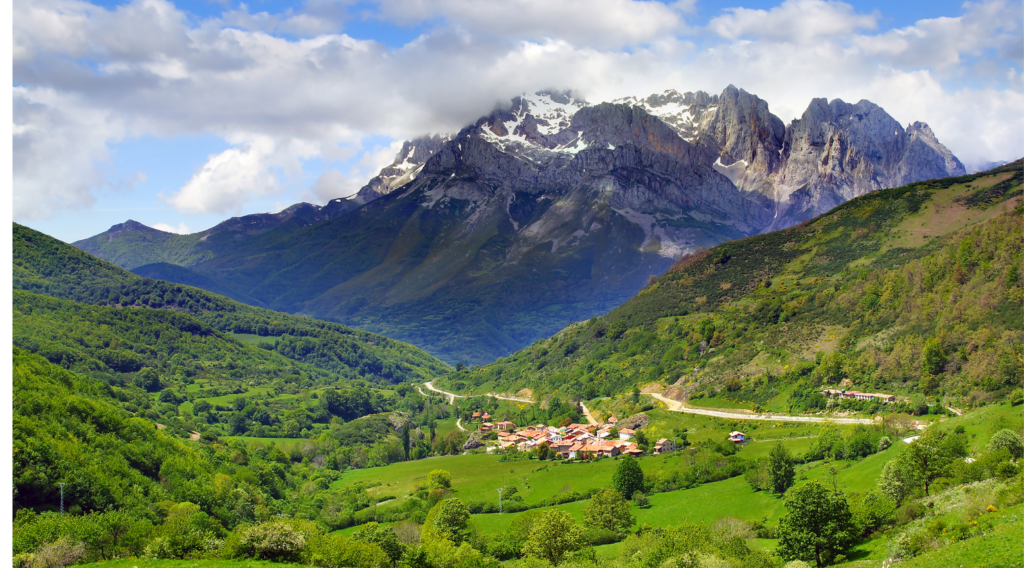
1. Asturias’ Natural Identity
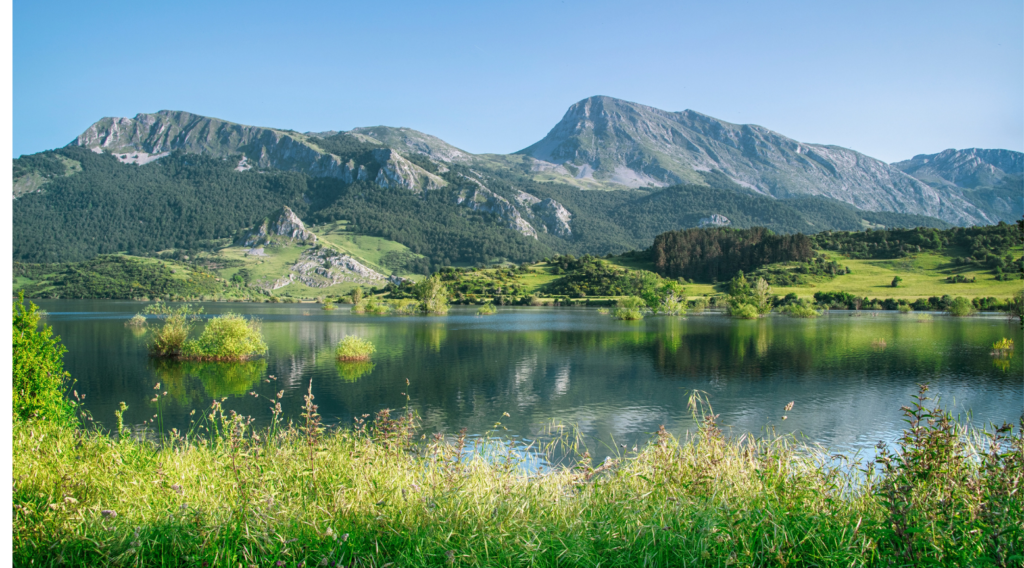
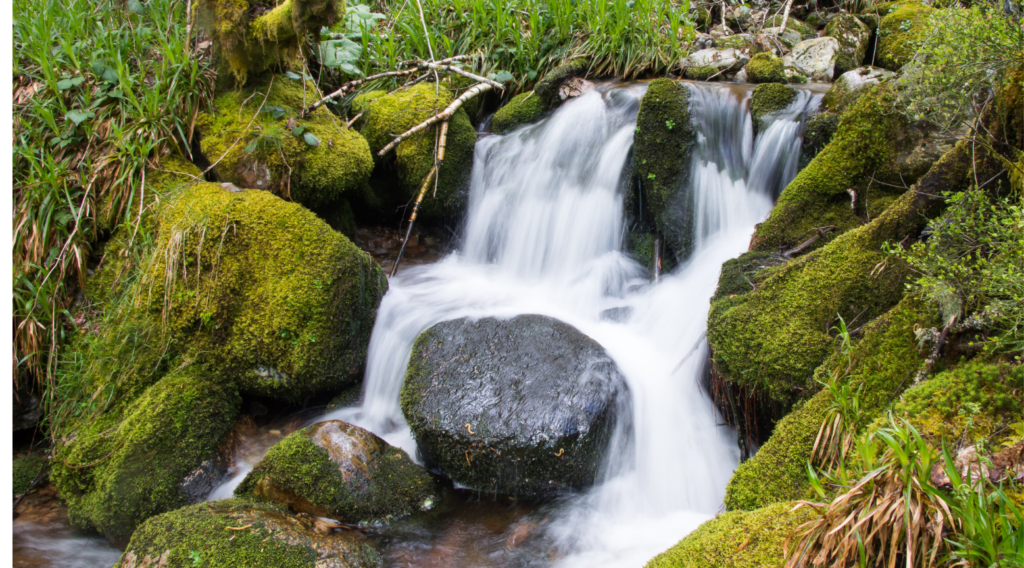
Nature plays a central role in Asturias. The region is known for green landscapes that contrast with drier parts of Spain. Regular rain and mild temperatures support forests, pastures, and rolling hills across the area.
Asturias also stands out for how close its natural spaces are to each other. Mountains, villages, farmland, and the coast sit a short distance apart. This makes nature easy to reach and part of daily life, not something far away. When you live there or spend time there, this closeness shapes how you move through the region.
One of the most important landmarks is the Picos de Europa. These mountains have steep terrain, high peaks, and many hiking routes. They attract people who enjoy outdoor activities. At the same time, they support livestock farming and rural communities.
Another key feature is the link between mountains and sea. The coast and the interior sit close together. This creates many landscapes in a small space and gives Asturias a clear geographical identity.

2. The Wild Northern Coast
Asturias is well known for its rugged coast along the Cantabrian Sea. The shoreline looks different from Spain’s more developed coastal areas. Cliffs, rocky headlands, and small coves shape much of the coast.
Beaches in Asturias often sit next to greenery or steep rock walls, not large resorts. Some beaches are easy to reach and draw crowds in summer. Many stay quiet during the rest of the year. This gives the coast a natural and less commercial feel. When you visit, the calm stands out.
Fishing villages also define the coastline. Many towns grow around small ports. Fishing still supports local work and food traditions. These communities shape regional cooking, especially through fresh seafood.
Overall, the Asturian coast keeps a strong natural character. Large tourism projects remain rare. For visitors, this creates a coastal experience that focuses on landscape and local life, not entertainment.

3. Cider Culture and Social Life
Asturias is widely known as the center of cider production in Spain. Cider, or sidra, is more than a local drink. It plays a clear role in social life and daily culture.
Traditional Asturian cider ferments naturally and has lower alcohol levels than many other drinks. People pour it using escanciado. The bottle stays high and the glass stays low. This action adds air and improves the taste. When you see this for the first time, it feels unusual.
Most people drink cider in sidrerías. These are casual bars or restaurants that serve cider and local food. They host social gatherings, family meals, and celebrations. These places show the shared style of Asturian dining. You feel that sense of community at the table.
Asturias is also known for cider festivals and local events. These moments honor producers and long traditions. Together, they make cider one of the region’s strongest symbol
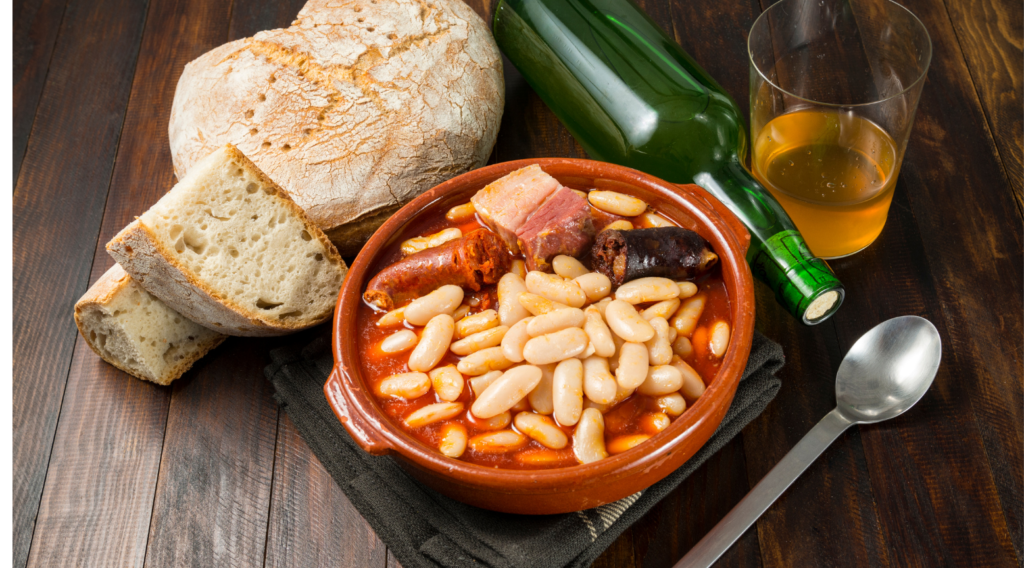
4. Food Rooted in the Land
Asturias is known for traditional food that links closely to the land, climate, and farming life. Local dishes feel hearty and filling. They reflect cooler weather and a past shaped by farm work and manual labor.
One of the best-known dishes is fabada asturiana. This stew uses beans and pork products like chorizo and morcilla. It stands as a regional staple. People often connect it with home meals and local restaurants.
The region is also known for cheese production. The most famous example is Cabrales. This strong blue cheese comes from mountain areas and follows long-standing methods. Cheeses from this area earn recognition in Spain and beyond.
Seafood plays an important role, especially near the coast. Fish and shellfish from the Cantabrian Sea appear in simple dishes. These meals focus on freshness, not heavy seasoning. When you eat along the coast, this approach is clear.
Overall, Asturian food stays direct and rooted in local ingredients. Tradition matters more than innovation, and that shapes how the cuisine feels.
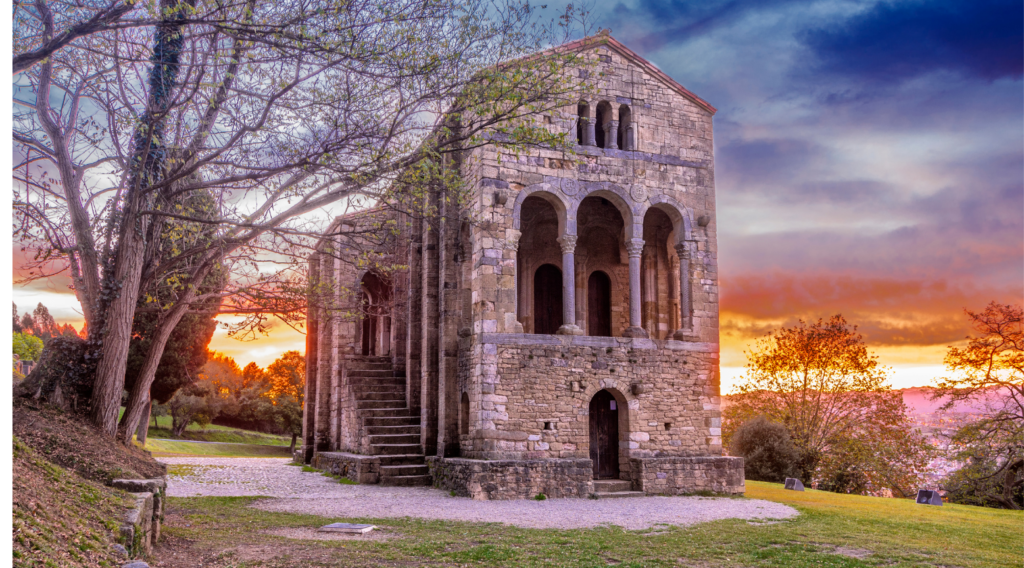
5. A Strong Sense of Regional Identity
Asturias is known for a strong regional identity that stays visible in daily life, especially outside large cities. Local traditions, customs, and symbols remain active. They shape how people connect to the region. When you spend time there, this sense of identity feels clear.
The Asturian language, often called Bable, forms part of this identity. Spanish is used everywhere, but Asturian still appears in music, books, signs, and casual speech. This is more common in rural areas.
Traditional music and festivals also help preserve local culture. Instruments like the gaita, or bagpipe, link closely to Asturias. People hear it often at festivals and community events.
History also shapes this identity. Geography once kept the region isolated. Labor movements and industrial work left a strong mark. These elements build shared pride and keep cultural ties strong.
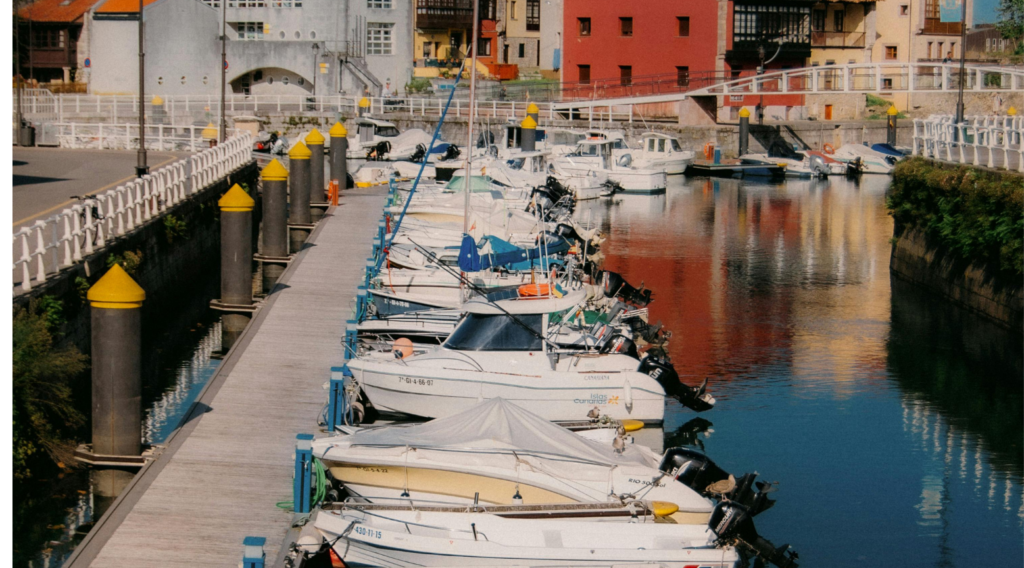
6. Livable Cities Without Overcrowding
Asturias is known for cities that feel active and developed without feeling crowded. Urban areas stay walkable. Cultural spaces, green areas, and daily services sit close by.
Oviedo, the regional capital, is known for its historic center and administrative role. The city also supports strong cultural institutions. Museums, theaters, and universities blend into daily life. You notice a balance between preservation and routine use.
Gijón is the largest city in the region. It stands out for its coastal setting and industrial past. The city mixes a working port, housing areas, and public beaches. This mix makes it a key economic and social center.
Compared to larger Spanish cities, Oviedo and Gijón feel easier to manage. Tourism pressure stays lower. Daily life feels more balanced, which adds to the appeal of Asturias.
7. Asturias as Spain’s Quiet Treasure
Asturias is often described as one of Spain’s lesser-known regions, particularly outside the country. While it is well regarded by Spaniards for its landscapes, food, and quality of life, it has not experienced the same level of international tourism as other parts of Spain.
This relative lack of exposure has allowed many aspects of the region to remain intact, including traditional industries, local customs, and everyday rhythms of life. For visitors, this means fewer crowds and a stronger sense of connection to local culture.
Asturias tends to appeal to travelers who value nature, regional food, and slower-paced destinations over large attractions or resort-style tourism. It is not widely known for major landmarks or nightlife, but rather for consistency, authenticity, and balance.
For these reasons, Asturias is often remembered not for a single defining feature, but for how its landscapes, traditions, and way of life come together as a whole.
Why Asturias Leaves a Mark
Asturias is known less for single landmarks and more for how its features work together. Landscapes, food traditions, and local customs stay closely linked across the region. This creates a steady sense of daily life, not a focus on isolated sights.
Compared to other parts of Spain that push major attractions or mass tourism, Asturias stands out for balance. Natural areas stay easy to reach. Cities remain practical and livable. Cultural traditions keep a clear place in daily routines. When you spend time there, this balance feels natural.
What makes Asturias memorable is its focus on depth, not spectacle. The region does not depend on dramatic highlights. Instead, it leaves a lasting impression through rhythm, practicality, and a strong tie to place.
FAQ
What is Asturias best known for?
Asturias is best known for its green landscapes, mountain ranges such as the Picos de Europa, traditional cider culture, and hearty regional cuisine. It is also recognized for its rugged coastline and strong regional identity within Spain.
Is Asturias a good place to visit?
Asturias is considered a good destination for travelers interested in nature, food, and local culture. It is particularly known for hiking, coastal scenery, and traditional cuisine, and it tends to be less crowded than many of Spain’s major tourist regions.
Why is Asturias so green?
Asturias has a mild oceanic climate with frequent rainfall throughout the year. This climate supports forests, grasslands, and agricultural land, giving the region its characteristic green appearance.
What food is Asturias known for?
Asturias is known for dishes such as fabada asturiana, a traditional bean stew, as well as a wide variety of cheeses including Cabrales. Seafood and locally produced cider are also central to the region’s cuisine.
Pingback: 5 Reasons Asturias Is Worth Visiting (And the Best Things to Do There) | Rovenect
Pingback: 5 Day Itinerary In Asturias: The Perfect First Trip | Rovenect