
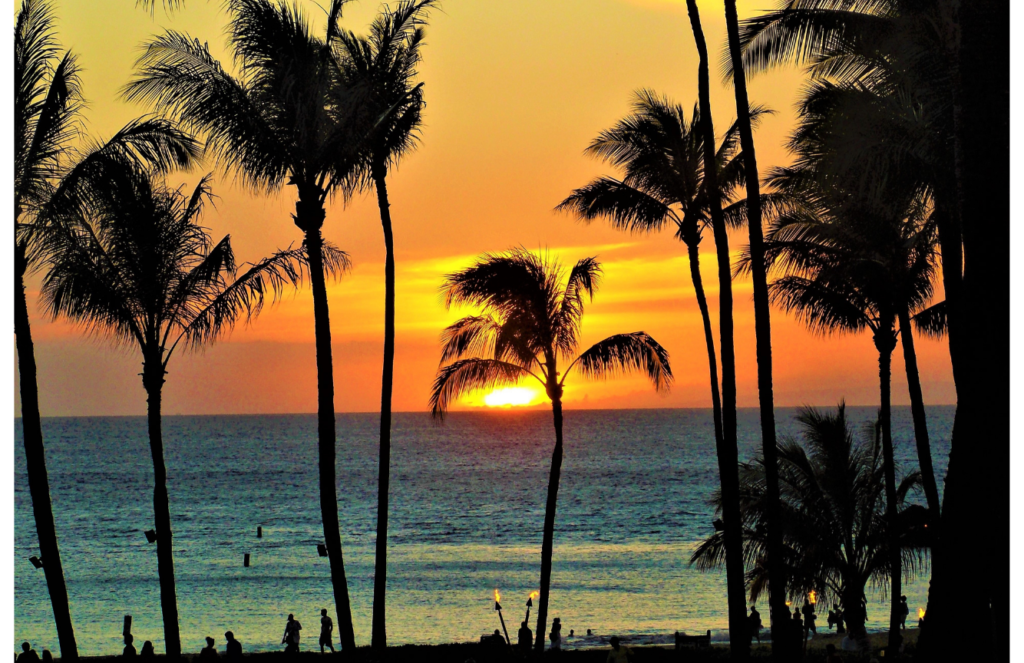
Planning your first trip to Hawaii can feel overwhelming — not because there’s a shortage of options, but because each Hawaii island offers something different.
With four main islands welcoming visitors — Kauai, Maui, the Big Island, and O‘ahu — the question isn’t whether Hawaii is worth visiting, but rather which island is the best fit for your first experience.
Some travellers dream of dramatic cliffs and endless hiking trails, while others picture luxury resorts, lively beaches, or opportunities to explore active volcanoes.
The good news is that there’s no wrong choice, but each island comes with its own strengths and trade-offs.
This guide breaks down what to expect on each of the major islands, including highlights, where to stay, and the pros and cons. By the end, you’ll have a clearer idea of which island will make your first trip to Hawaii unforgettable — whether you’re travelling solo, as a couple, or with family.
No matter which island you choose, packing smart will make your trip easier. Our guide on how to pack for Hawaii covers everything you’ll need for the islands.
Kauai – Oldest Hawaii Island
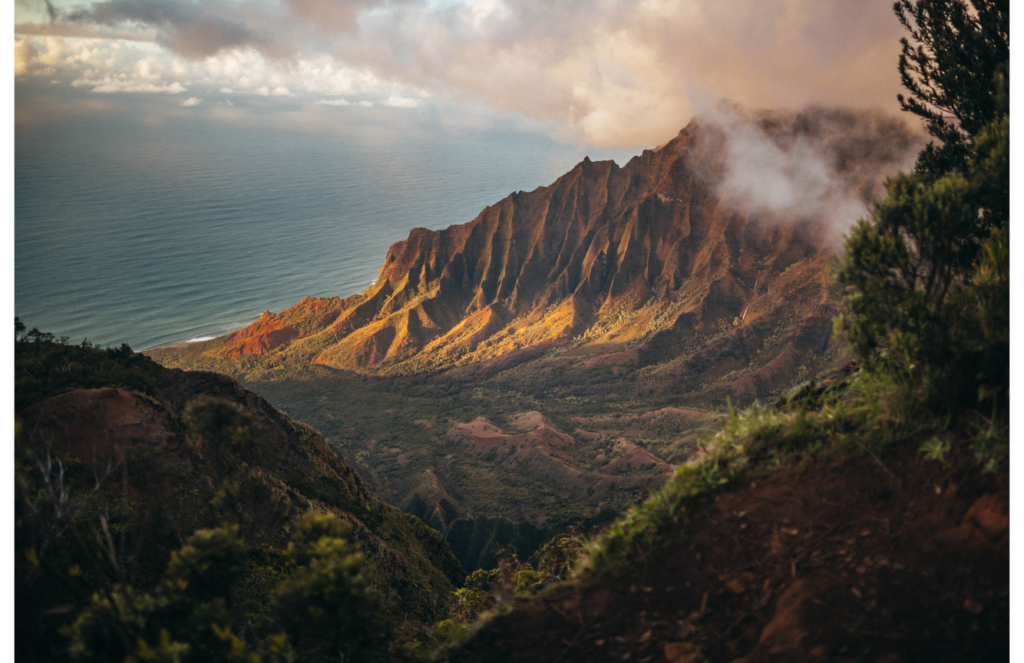
Kauai, often called the “Garden Isle,” is the oldest of the main Hawaiian islands and is known for its lush landscapes, dramatic cliffs, and a slower pace of life compared to the others.
With fewer resorts and less development, it offers travellers a more natural and laid-back experience.
The island’s rugged terrain and abundant greenery make it especially appealing to those who love outdoor adventures and unspoiled scenery.
What to Do
Nā Pali Coast
One of the most iconic sights in all of Hawaii, the Nā Pali Coast stretches for miles with its towering sea cliffs, hidden beaches, and lush valleys.
Visitors can experience it in different ways: hiking the Kalalau Trail for a challenging trek, joining a boat tour to see the cliffs from the water, or taking a helicopter ride for an unforgettable bird’s-eye view.
Waimea Canyon
Nicknamed the “Grand Canyon of the Pacific,” Waimea Canyon offers vast, colourful landscapes shaped by volcanic activity and erosion.
A series of lookouts provide stunning views, while trails ranging from easy walks to more challenging hikes let visitors immerse themselves in the natural beauty.
Hanalei Bay
This crescent-shaped bay on the North Shore is one of Kauai’s most photogenic spots. Backed by green mountains and waterfalls.
Hanalei Bay is a great place for swimming, paddleboarding, or simply relaxing on the sand. Its small-town setting adds to the laid-back atmosphere.
Botanical Gardens
Kauai is home to some of Hawaii’s most impressive gardens, including Allerton Garden and McBryde Garden on the South Shore.
These gardens showcase exotic plants, sprawling grounds, and even movie-famous spots. They’re ideal for a quieter day surrounded by greenery.
Wailua River
The Wailua River is one of the few navigable rivers in Hawaii, perfect for kayaking or paddleboarding. Along the river, travellers can visit Fern Grotto, a lush cave covered in tropical plants, or take short hikes to waterfalls.
Farmers’ Markets
For a taste of local life, Kauai’s farmers’ markets are worth a visit. Scattered across the island, they feature fresh tropical fruit, handmade goods, and island-grown treats.
It’s a chance to meet locals and bring home something authentically Hawaiian.
I have a detailed blog post about what to do in Kauai if you want to read more about it !
Where to Stay
North Shore (Hanalei and Princeville)
Known for its dramatic scenery and lush environment, the North Shore offers a quieter pace of life. Hanalei has a charming small-town feel, while Princeville has more upscale resorts and vacation rentals.
This part of the island receives more rain, but the landscapes are some of the most striking in Hawaii.
South Shore (Poʻipū)
The South Shore is the sunniest part of Kauai, making it popular with families and travellers who want reliable beach weather. Poʻipū is home to several resorts, beautiful beaches, and good snorkelling opportunities.
It’s a lively yet relaxed area with dining and shopping options close by.
East Side (Kapaʻa and Wailua)
The East Side serves as a central base for exploring both the north and south of the island. Kapaʻa is known for its convenience, with shops, restaurants, and mid-range hotels.
While Wailua offers access to the river and its natural attractions. It’s a good option for travellers who want balance and accessibility.
West Side (Waimea)
Less visited and much quieter, the West Side is perfect for travellers seeking seclusion. Waimea town is close to Waimea Canyon and Kōkeʻe State Park, making it ideal for hikers and adventure enthusiasts.
The accommodation here is more limited but appeals to those who prefer to avoid crowds.
Decide where to say also depend on you preference and also the season you are traveling. Here how to decide where to stay in Kauai. Where To Stay In Kauai ?
Pros
- Spectacular natural landscapes with cliffs, canyons, and waterfalls
- Excellent for hiking, kayaking, and outdoor adventures
- Less commercialised and more peaceful than other islands
- Strong sense of local culture and slower pace
Cons
- Limited nightlife and entertainment options
- Fewer shopping and dining choices compared to Oʻahu or Maui
- Rainier weather, especially on the North Shore
- Smaller airport with fewer direct flights
Maui- Balanced Everything
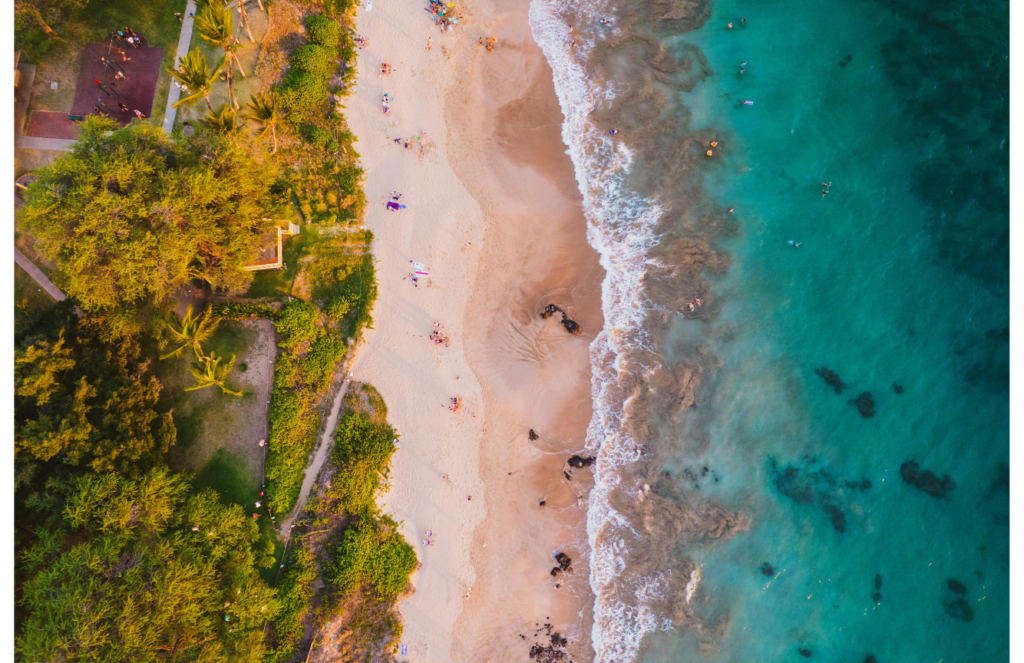
Maui is often considered the best balance between natural beauty and visitor-friendly amenities. It has golden beaches, world-class resorts, and opportunities for adventure, yet still feels more relaxed than O‘ahu.
The island is famous for its whale watching, scenic drives, and lush valleys, making it a versatile destination for couples, families, and solo travellers alike.
What to Do
Road to Hana
The Road to Hana is a legendary coastal drive stretching along Maui’s northeastern shore. The journey is just as memorable as the destination, with winding roads leading past waterfalls, tropical rainforests, and ocean viewpoints.
Stops along the way include the black sand beach at Waiʻānapanapa State Park and the Seven Sacred Pools at ʻOheʻo Gulch.
Haleakalā National Park
Home to Maui’s highest peak, Haleakalā National Park is best known for its sunrise views above the clouds. Visitors can drive or take tours to the summit for an unforgettable morning experience.
During the day, hiking trails wind through volcanic landscapes and rare ecosystems unique to the island.
Lahaina and Kāʻanapali
On the western side of Maui, Lahaina is a historic town with a lively harbour, art galleries, and shops. Nearby Kāʻanapali
Beach is one of Maui’s most popular stretches of sand, offering snorkelling, water sports, and sunset views. The area combines cultural history with modern resort comforts.
ʻIao Valley State Park
A lush and accessible destination, ʻIao Valley is home to the ʻIao Needle, a dramatic rock formation surrounded by steep green mountains.
The park has easy walking trails and is a peaceful spot to connect with Maui’s natural beauty and history.
Whale Watching
From December to April, humpback whales migrate to Maui’s warm waters, making it one of the best places in the world for whale watching. Tours depart from Lahaina and Maʻalaea, offering close-up views of these magnificent animals.
Beaches and Snorkelling
Maui boasts some of Hawaii’s most famous beaches, from family-friendly Wailea Beach to snorkelling hotspots like Molokini Crater. Visitors can enjoy calm waters, coral reefs, and the chance to see tropical fish and sea turtles up close.
Where to Stay
West Maui (Lahaina, Kāʻanapali, Kapalua)
This area combines historic charm with resort luxury. Lahaina offers a lively town atmosphere, while Kāʻanapali and Kapalua have beachfront resorts, golf courses, and plenty of dining.
It’s a popular area for families and those who want a mix of activities and relaxation.
South Maui (Wailea and Kihei)
Known for its sunny weather and upscale resorts, South Maui appeals to travellers seeking luxury and convenience.
Wailea is famous for its resorts, fine dining, and golf, while nearby Kihei offers more affordable vacation rentals and a relaxed, local vibe.
Upcountry Maui
Set on the slopes of Haleakalā, this region feels completely different from the beachside areas. Visitors will find rolling farmland, small towns, and a quieter lifestyle.
It’s perfect for travellers who want to see a different side of the island and enjoy cooler temperatures.
Hana
Remote and less developed, Hana offers a peaceful escape on Maui’s eastern shore. Accommodations are limited, but staying here allows visitors to fully experience the beauty of the Road to Hana without rushing back the same day.
Pros
- Wide range of activities, from beaches to mountains
- Excellent balance of luxury resorts and local culture
- Whale watching opportunities in winter
- Famous for scenic drives and sunrise views
Cons
- Popular tourist areas can feel crowded
- Accommodation and dining are generally expensive
- Driving can be challenging on the Road to Hana
- Limited nightlife compared to O‘ahu
Big Island (Hawai‘i Island)- Largest Hawaii Island
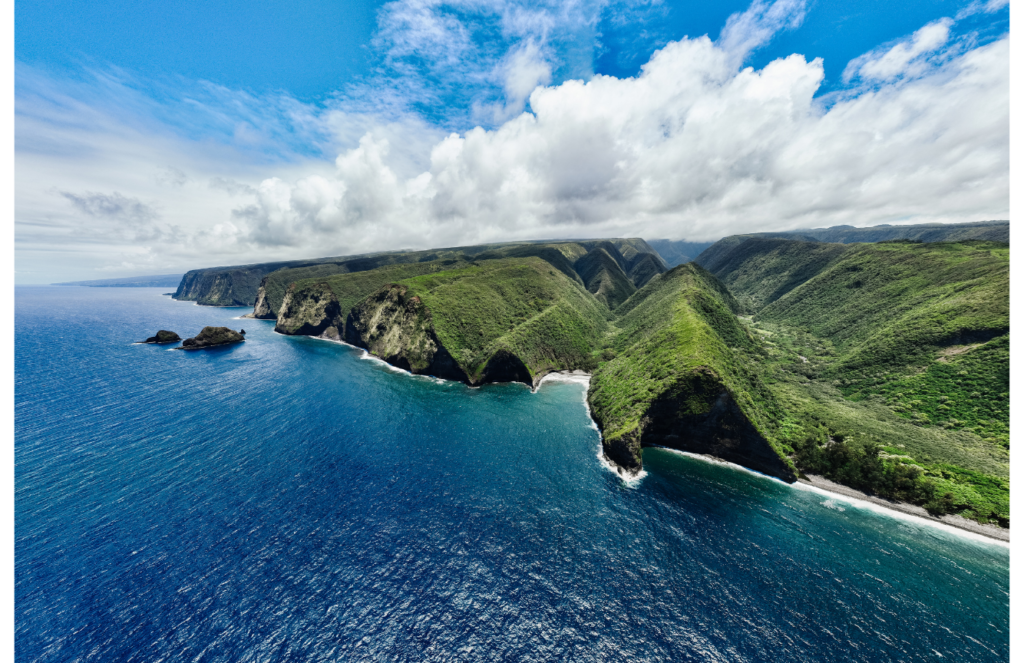
The Big Island, officially named Hawai‘i Island, is the largest of the Hawaiian Islands and offers the most diverse landscapes. From active volcanoes and black sand beaches to lush rainforests and snow-capped peaks, the island is full of contrasts.
It’s less crowded than Maui and O‘ahu, making it an appealing choice for travellers who want a mix of adventure, nature, and cultural history.
What to Do
Hawai‘i Volcanoes National Park
One of the island’s biggest draws, this park is home to Kīlauea and Mauna Loa, two of the world’s most active volcanoes.
Visitors can walk through lava tubes, drive along scenic routes, and, depending on volcanic activity, even witness glowing lava flows. It’s a unique experience found nowhere else in Hawaii.
Mauna Kea Stargazing
The summit of Mauna Kea, at nearly 14,000 feet, offers some of the clearest skies in the world.
While access to the summit requires preparation and altitude awareness, guided stargazing tours at lower elevations provide breathtaking views of the night sky.
Kona Coffee Country
The western side of the island, around Kona, is famous for its rich volcanic soil that produces world-renowned coffee. Visitors can tour coffee farms, sample fresh brews, and learn about the history of this important local industry.
Black and Green Sand Beaches
The Big Island is home to some of Hawaii’s most unusual beaches. Punaluʻu Black Sand Beach is known for its volcanic sands and sea turtles, while Papakōlea Green Sand Beach is one of only a handful of green sand beaches in the world.
Akaka Falls and Waterfalls of Hilo
Near Hilo on the eastern side, Akaka Falls State Park features a dramatic 442-foot waterfall surrounded by lush rainforest. The region is dotted with other waterfalls and is one of the greenest, wettest parts of the island.
Snorkelling and Diving
Kona’s calm waters are ideal for snorkelling and diving, with vibrant reefs and manta ray night dives being a highlight. The island’s size means there are snorkelling spots for both beginners and experienced divers.
Where to Stay
Kona (West Side)
This is the island’s main tourist hub, with sunny weather, beaches, and easy access to snorkelling and diving. Kona offers a mix of resorts, hotels, and vacation rentals, plus plenty of shops and restaurants.
Hilo (East Side)
Hilo is greener, rainier, and closer to waterfalls and Hawai‘i Volcanoes National Park. It has fewer resorts but provides a more authentic, local experience. Accommodations here are more budget-friendly compared to Kona.
Kohala Coast
The Kohala Coast is home to some of the island’s most luxurious resorts, often set along pristine stretches of beach. It’s ideal for travellers who want comfort, golf courses, and easy access to upscale amenities.
Volcano Village
Just outside Hawai‘i Volcanoes National Park, this small community offers bed-and-breakfasts and rental cottages. It’s a convenient base for exploring the park and provides a quieter, cooler climate.
Pros
- Active volcanoes and unique landscapes found nowhere else in Hawaii
- Wide range of environments, from beaches to mountains to rainforests
- Less crowded than Maui or O‘ahu
- Affordable accommodation options, especially in Hilo
Cons
- Large size makes travel between regions time-consuming
- Rainy weather on the eastern side
- Limited nightlife and entertainment
- Some areas feel remote with fewer dining and shopping options
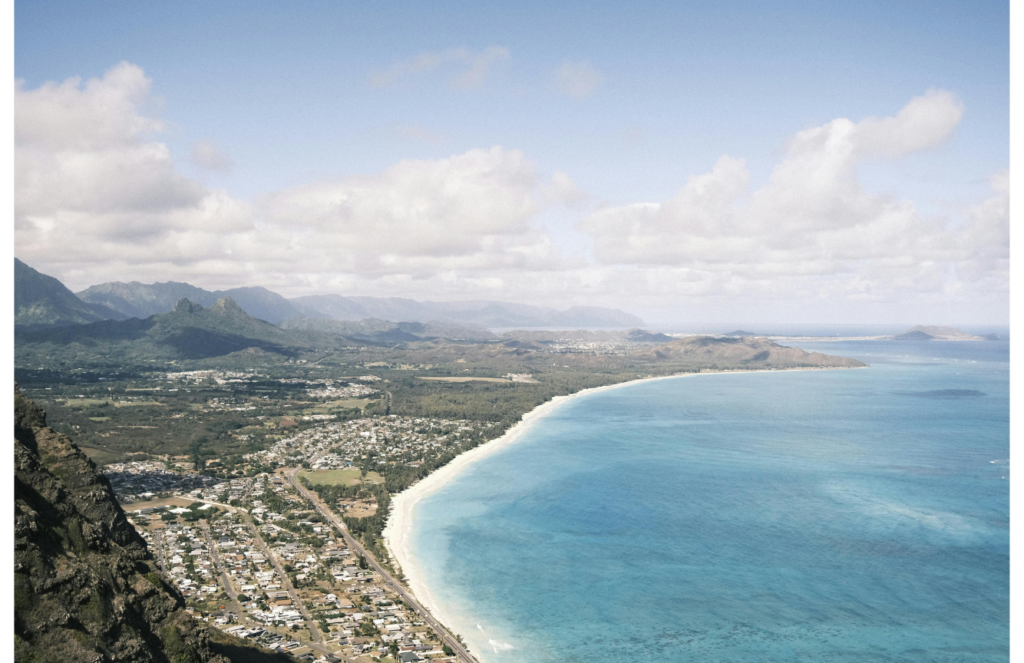
O‘ahu – Busiest Hawaii Island
O‘ahu is the most populated of the Hawaiian Islands and serves as the state’s cultural and economic hub. It’s home to Honolulu, Waikīkī, and Pearl Harbor, making it the busiest and most urban of the islands.
O‘ahu blends city life with natural beauty — visitors can enjoy vibrant neighbourhoods, world-famous beaches, historic landmarks, and scenic hikes all within a short drive.
This mix makes it a popular choice for first-time visitors, families, and those who want a balance of convenience and variety.
What to Do
Waikīkī Beach
Perhaps the most famous beach in Hawaii, Waikīkī is known for its lively strip of hotels, restaurants, and surf schools. It’s a great spot for first-time surfers, people-watching, and enjoying city amenities right by the ocean.
Pearl Harbor
One of the island’s most important historic sites, Pearl Harbor is home to memorials and museums that commemorate the events of World War II. The USS Arizona Memorial and Battleship Missouri are highlights for those interested in history.
Diamond Head
This volcanic crater near Waikīkī offers one of O‘ahu’s most popular hikes. The trail to the summit is relatively short but steep, rewarding hikers with panoramic views over Honolulu and the Pacific Ocean.
North Shore
Renowned worldwide for its massive winter waves, the North Shore is a surfing mecca. In summer, the waves calm down, making the beaches ideal for swimming and snorkelling.
Haleʻiwa town nearby has a laid-back feel with shops and food trucks.
Hanauma Bay
A protected marine reserve, Hanauma Bay is one of the best snorkelling spots in Hawaii. With calm waters and abundant sea life, it’s accessible for beginners and families.
Reservations are required to limit visitors and protect the reef.
Kualoa Ranch
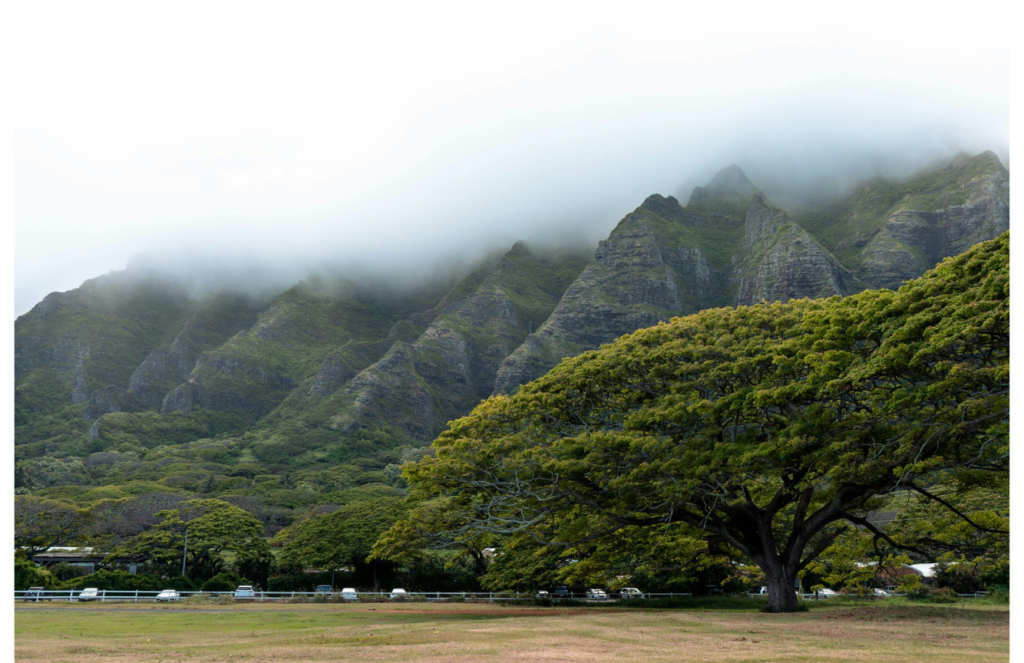
This private nature reserve offers tours through valleys and coastlines that have appeared in movies and TV shows, from Jurassic Park to Lost. Activities include ATV rides, horseback tours, and cultural experiences.
Where to Stay
Waikīkī (Honolulu)
Waikīkī is the heart of tourism on O‘ahu, with the island’s highest concentration of hotels, dining, and nightlife. It’s ideal for travellers who want convenience and plenty of options within walking distance.
North Shore
Much quieter than Honolulu, the North Shore appeals to those looking for a slower pace. Accommodation is limited to vacation rentals and a few hotels, but the trade-off is access to world-class surf and small-town charm.
Ko Olina
On the leeward coast, Ko Olina is home to luxury resorts and lagoons with calm waters. It’s a family-friendly area with a more resort-focused environment away from the city crowds.
Kailua and Lanikai
Located on the windward side, these areas are known for beautiful beaches and a local residential feel. Accommodation is mostly vacation rentals, making it a good choice for travellers who want a quieter, community-based stay.
Pros
- Wide variety of activities, from beaches to city nightlife
- Rich cultural and historical attractions
- Easy to access with Hawaii’s largest airport
- Good for first-time visitors who want convenience
Cons
- Most crowded and commercialised island
- Traffic and congestion in Honolulu
- Higher prices in Waikīkī compared to less developed areas
- Limited seclusion compared to other islands
If you’re considering O‘ahu for your first trip, check out our 1-week itinerary for O‘ahu to see how you could plan your days
Best Place to Stay in Hawaii
Choosing the best island to stay on depends largely on what type of trip you’re looking for. Each island has its own character, so the right choice varies from traveller to traveller.
- Kauai is the best fit for those who value nature and tranquillity over nightlife and shopping. It’s ideal for travellers who want hiking, dramatic scenery, and a slower pace.
- Maui strikes a balance between relaxation and variety. With both luxury resorts and outdoor activities, it’s a versatile choice for families, couples, or first-time visitors who want a mix of experiences.
- Big Island (Hawai‘i Island) appeals to adventurers and explorers who don’t mind driving longer distances. Its active volcanoes, diverse landscapes, and quieter atmosphere make it perfect for those who enjoy variety and don’t need city amenities.
- O‘ahu is the best choice for travellers who want everything in one place: beaches, history, culture, and city life. It’s also the most convenient option for first-time visitors thanks to its large airport, wide range of hotels, and plenty of tours.
In short:
- Nature lovers and hikers: Kauai
- Luxury and variety seekers: Maui
- Adventure and diversity: Big Island
- Convenience and first-timers: O‘ahu
FAQ
What is the cheapest island to visit?
Generally, O‘ahu is the cheapest island to visit. It has the largest airport, which means more frequent flights and lower airfare compared to the other islands.
Waikīkī also has the widest range of accommodation, from budget hotels to hostels, giving travellers more options. Food and activities can also be more affordable thanks to the larger number of restaurants, tours, and competition.
What is the most expensive island to visit?
Maui is often considered the most expensive island. Resort areas like Wailea and Kāʻanapali cater heavily to luxury travellers, and the cost of hotels, dining, and activities reflects this.
While budget options do exist, they are more limited compared to O‘ahu, making Maui overall pricier for most visitors.
Which island is best for couples?
Maui is often seen as the most romantic island thanks to its balance of beaches, resorts, and activities. Couples can enjoy sunset cruises, the scenic Road to Hana, and luxury accommodations in Wailea.
Kauai is also a strong option for couples seeking a quieter, more intimate atmosphere surrounded by natural beauty.
Which island is best for families?
O‘ahu is a great choice for families because of its variety and convenience. Waikīkī has family-friendly beaches, plenty of dining, and easy access to activities like visiting Pearl Harbor or hiking Diamond Head.
For families who prefer a more resort-style holiday, Maui’s Wailea and Kāʻanapali areas are also very popular, offering calm beaches, kid-friendly resorts, and whale-watching tours in season.
Related Articles
7 Days, Endless Memories: Best Hawaii Itinerary for Oahu
Packing List for Hawaii: Travel Essentials, Tips, and Free PDF Guide
Pingback: Packing List for Hawaii: Travel Essentials, Tips, and Free PDF Guide | Rovenect
Pingback: 7 Days, Endless Memories: Best Hawaii Itinerary for Oahu | Rovenect
Pingback: Best Things to Do in Kauai: From Na Pali Coast Tours to Hidden Waterfalls, Beaches, and Local Experiences | Rovenect