
Albania is a small country in Southeast Europe that has become increasingly popular with travelers looking for something less crowded and more affordable than its neighbors. It is known for its long coastline along the Adriatic and Ionian Seas, a mix of Ottoman and Mediterranean history, and a growing tourism scene that still feels relatively undeveloped compared to places like Greece or Croatia. If you are considering a trip, this Albania travel guide covers the essentials so you can plan with confidence.
Getting to Know Albania
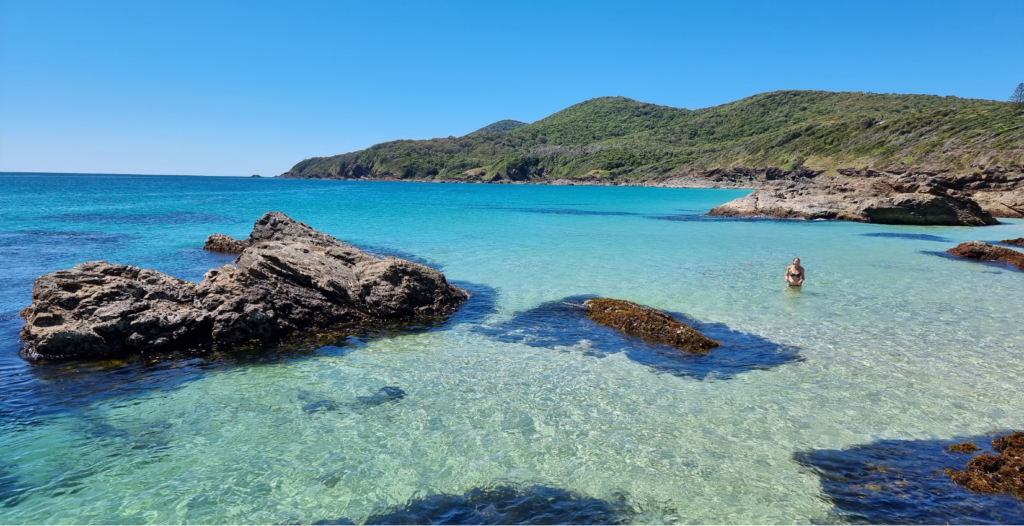
Before planning your trip, it helps to understand what kind of destination Albania is. The country sits between Greece, Montenegro, and North Macedonia, and its geography ranges from coastal beaches to rugged mountains. Because of this variety, you can experience very different environments within a short distance.
Albania has a complex history shaped by Illyrian, Roman, Byzantine, and Ottoman influences. More recently, it spent decades under a strict communist regime, which kept it isolated from much of the world. Since the 1990s, the country has opened up, and tourism has slowly grown. You will still notice that some infrastructure is developing, but that is part of what makes it feel less commercial.
Language is another practical detail. Albanian is the official language, but English is widely spoken in tourist areas, especially among younger people. Italian is also common due to historical ties and media influence. Communication is usually not a problem, but learning a few basic Albanian words can be helpful and appreciated.
Best Time to Visit Albania
Timing your trip can make a big difference depending on what you want to do. Albania has a Mediterranean climate along the coast and a more continental climate inland. Summers are hot and dry, while winters can be cold, especially in the mountains.
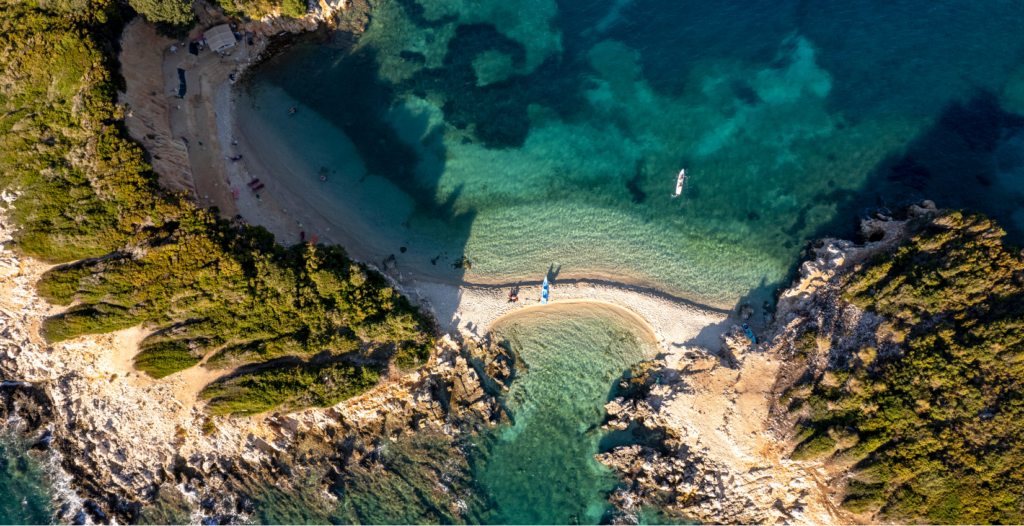
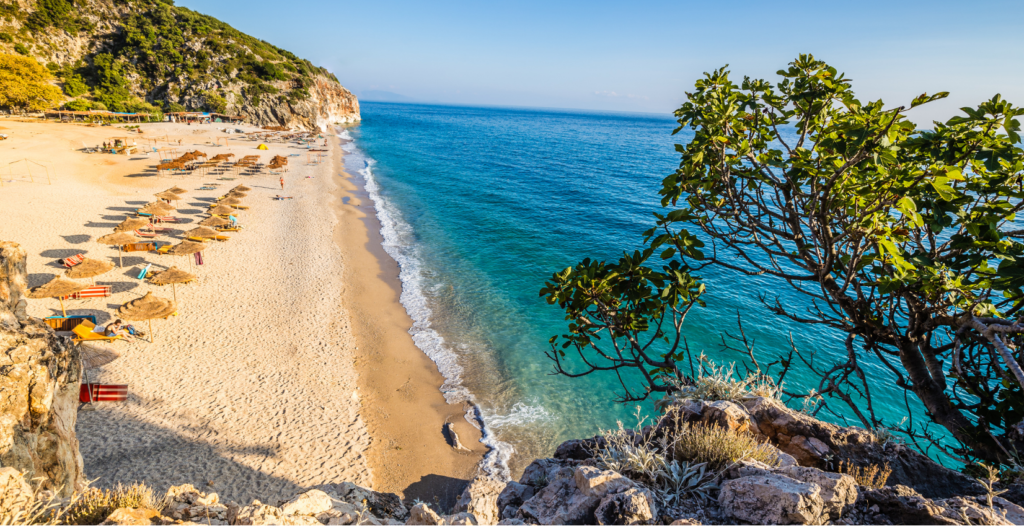
If your focus is on beaches, the best time to visit is from June to September. July and August are the peak months, with high temperatures and more crowds, particularly in popular coastal areas like Ksamil and Saranda. Prices also tend to be higher during this period. If you prefer a quieter experience, late May, June, and September are more balanced options.
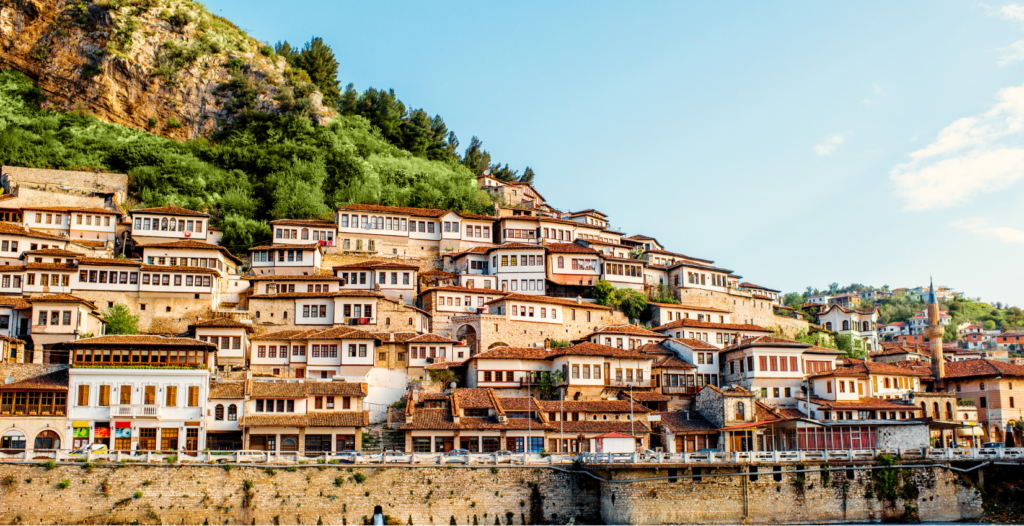
For exploring cities and historical sites, spring and autumn are ideal. The weather is milder, making it easier to walk around places like Berat or Gjirokastër. These seasons also work well if you plan to combine coastal and inland travel without dealing with extreme heat.
If you are interested in hiking or mountain landscapes, late spring to early autumn is the most practical window. Some remote areas can be difficult to access in winter due to snow and limited transport options. Planning around weather conditions is especially important if your itinerary includes northern regions.
Where to Go in Albania
Choosing where to go depends on your interests, but most travelers combine a few key regions. The Albanian Riviera is often the main highlight. This stretch of coastline offers clear water, small beaches, and a more relaxed atmosphere compared to larger Mediterranean resorts. Towns like Himara, Dhërmi, and Ksamil are popular, each with slightly different vibes.
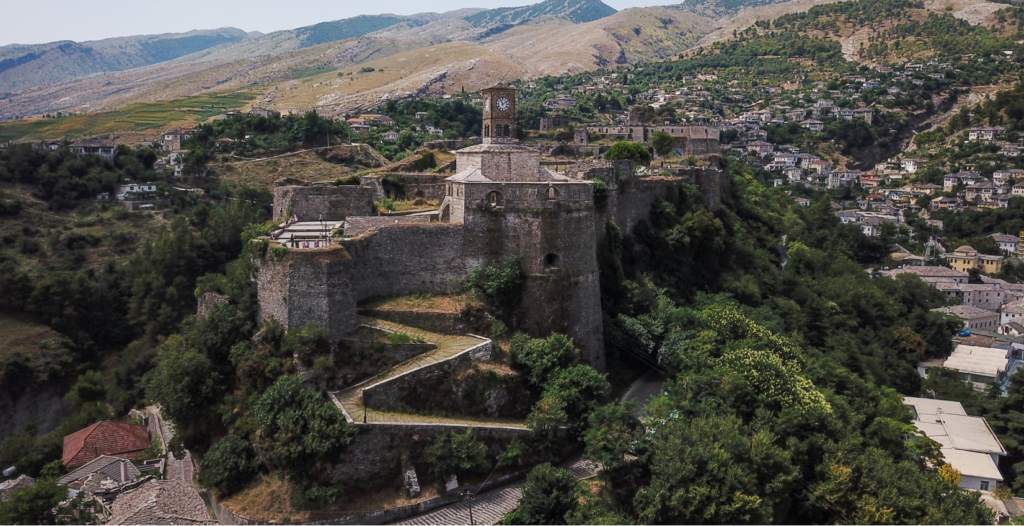
Inland, the cities of Berat and Gjirokastër are worth visiting for their well-preserved architecture and historical significance. Both are UNESCO-listed and give you a better sense of Albania’s past. Berat is known for its hillside houses and castle area, while Gjirokastër has a more rugged feel with stone buildings and a large fortress.
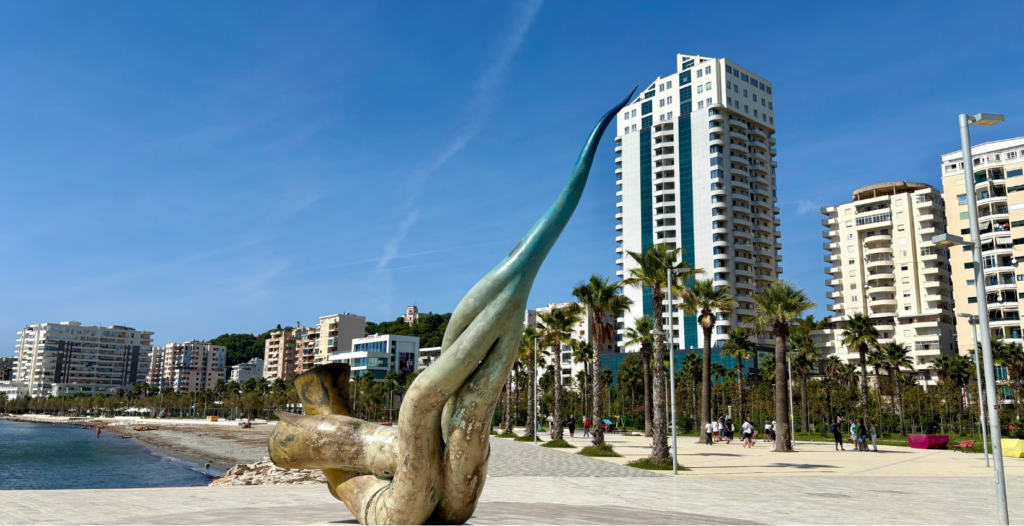
Tirana, the capital, is usually the entry point for most travelers. It is not a traditional tourist city, but it has a growing food scene, interesting museums, and a mix of modern and post-communist elements. Spending a couple of days here helps you understand the country beyond the typical beach destinations.
If you have extra time, the Albanian Alps in the north offer a completely different experience. Areas like Theth and Valbona are known for hiking and dramatic landscapes. Getting there requires more planning, but the scenery is some of the most impressive in the country.
Food, Culture, and Daily Life
Food is an important part of traveling in Albania, and it is generally simple, fresh, and affordable. The cuisine reflects Mediterranean and Balkan influences, with plenty of vegetables, grilled meats, and seafood along the coast. Dishes like byrek, tavë kosi, and fresh salads are common and widely available.
Eating out is relatively inexpensive compared to other European destinations. Even in tourist areas, you can find good meals at reasonable prices. Local restaurants often serve seasonal ingredients, and portions tend to be generous. Coffee culture is also strong, and you will see cafés everywhere, especially in cities.
Culturally, Albania is known for its hospitality. Visitors often notice how welcoming locals are, particularly in smaller towns. While tourism is growing, it has not yet reached the level where interactions feel overly commercial. That said, it is still important to respect local customs, especially in rural areas.
Religion exists but is generally not a dominant part of daily life. Albania is known for its religious tolerance, with Muslim, Orthodox, and Catholic communities coexisting. As a visitor, you are unlikely to face strict cultural expectations, but modest behavior is always a safe approach when visiting religious sites.
How to Get Around, Budget, and How Long to Stay
Getting around Albania is possible in several ways, but the experience depends on how flexible you want to be. Public transport is available in the form of buses and minibuses, often called furgons. They connect most cities and towns, but schedules are not always fixed, and routes can take longer than expected. This option works if you are traveling on a budget and do not mind some unpredictability.
Renting a car is often the easiest way to explore the country, especially if you want to visit coastal villages or mountain areas at your own pace. Roads between major cities are generally in good condition, but smaller roads can be narrow and require careful driving. If you are comfortable driving in unfamiliar conditions, it gives you much more freedom.
When it comes to budget, Albania is still considered an affordable destination by European standards. Accommodation, food, and transport are usually cheaper than in nearby countries like Greece or Croatia. You can travel comfortably on a mid-range budget, and even lower budgets are possible if you choose guesthouses and local restaurants.
The ideal length of stay depends on how much you want to see. A short trip of three to five days is enough to visit Tirana and one or two nearby destinations. If you want to include the coast and a historical city, around seven to ten days is more realistic. For a slower trip that includes the mountains, two weeks gives you enough time without feeling rushed.
Key Information Before You Travel
Before arriving, it helps to know a few essential details that will make your trip smoother. The local currency is the Albanian lek. While some places may accept euros, especially in tourist areas, it is more reliable to pay in the local currency. Cash is widely used, so carrying some with you is important, particularly outside major cities.
Safety is generally not a major concern for travelers. Albania is considered a safe country, including for solo visitors. Petty theft can happen in busy areas, but serious issues are uncommon. Basic precautions, like keeping an eye on your belongings and avoiding isolated areas at night, are usually enough.
Language is another practical point. Albanian is the official language, and it is quite different from most other European languages. However, English is widely spoken in tourist areas, especially by younger people. In some regions, you may also hear Italian or Greek. Communication is usually straightforward, but learning a few simple phrases can make interactions easier.
Mobile data and internet access are generally reliable in cities and tourist areas. Local SIM cards are easy to buy and can be useful if you plan to travel around the country. This is especially helpful for navigation, as road signs and directions are not always clear.
Conclusion
Albania is a destination that offers a mix of coastline, history, and everyday local life without the heavy crowds found in more established European hotspots. It may require a bit more planning compared to some neighboring countries, but that is part of its appeal.
If you are looking for a place where you can explore beaches, historic towns, and mountain landscapes in one trip, Albania is a strong option. With a flexible mindset and a bit of preparation, you can have a rewarding experience that feels both relaxed and different from typical tourist routes.
Pingback: Best Time To Visit Albania : A Simple Guide for Weather, Prices, and Tourist Seasons | Rovenect