
Rome is a city where history and daily life sit side by side. You’ll spend time walking over cobblestones, visiting landmarks, and enjoying meals outdoors, so packing smartly is important.
The right items will keep you comfortable, prepared for different situations, and ready to make the most of your trip. This guide covers what to bring, what to skip, and how to adjust for each season.
If you don’t have time to read the blog post, just download this.
It’s a checklist of everything you need to pack for Rome.

How to Pack for Rome
Choose luggage wisely (carry-on vs checked, suitcase vs backpack)
The type of luggage you bring can make or break your trip.
Rome’s cobblestone streets, narrow sidewalks, and crowded buses aren’t designed for oversized suitcases. Keeping your bags manageable is key.
A medium-sized suitcase or carry-on is often the best choice, as it’s easier to move around and avoids excess baggage fees with many European airlines.
If you’re planning several day trips outside the city, pair it with a small backpack that’s light enough to carry comfortably but big enough for essentials like water, a guidebook, and a camera.
Use packing cubes or compression bags for organisation
Keeping your suitcase organised will save time and stress during your trip. Packing cubes help separate clothes into categories — for example, tops in one, trousers in another — so you can find what you need without unpacking everything.
Compression bags are useful if you want to maximise space, especially for bulkier items like jackets or sweaters. Both options also make repacking easier when moving between hotels or heading home with souvenirs.
Stick to mix-and-match clothing in neutral tones
A small wardrobe goes a long way if your pieces can be worn in different combinations. Neutral colours like black, white, beige, and navy work well together and make it easy to create multiple outfits with fewer items.
This saves space in your luggage and avoids the problem of packing clothes you’ll only wear once. Adding one or two accessories — such as a scarf or belt — can change the look without taking up much room.
Keep valuables and essentials in your carry-on
It’s always safer to keep your most important items with you. Passports, ID, travel documents, medication, electronics, and chargers should never go in checked luggage, as bags can be delayed or mishandled.
A carry-on or personal bag ensures these essentials are accessible throughout your journey. It’s also a good idea to include a spare change of clothes and small toiletries, just in case your checked bag takes longer to arrive.
Leave extra space for shopping and souvenirs
Rome is a city where it’s easy to pick up a few extras along the way, from leather bags and handmade sandals to local food products like pasta or olive oil. If your suitcase is packed to the limit when you arrive, you’ll struggle to fit these in later.
Leaving some space in your luggage, or even packing an extra foldable bag, gives you the flexibility to bring home items without worrying about weight or space issues.
Check airline baggage restrictions before travelling
Many European airlines, especially budget carriers, have strict rules for luggage size and weight. Exceeding these limits can lead to expensive fees at the airport.
Before leaving, review your airline’s baggage policy and measure your suitcase if needed. Knowing the restrictions in advance helps you avoid surprises and makes it easier to decide between a carry-on and checked bag
Packing List For Rome, Italy
Packing Essentials
Passport & ID (plus photocopies)
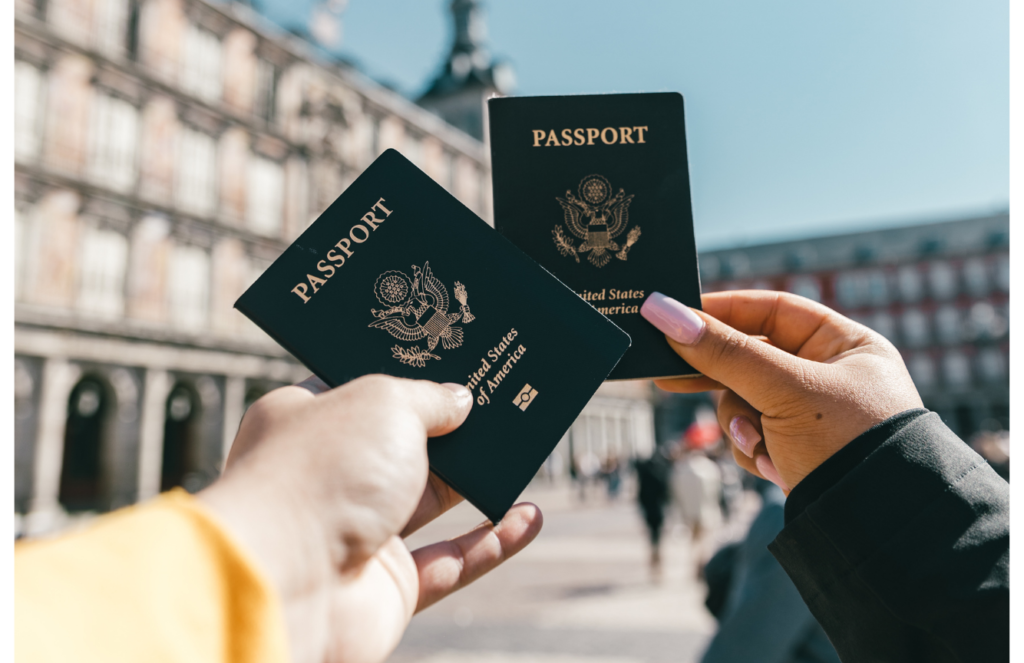
A valid passport is the most important item for your trip to Rome. Keep it in a secure place, such as a money belt or a zippered compartment in your bag, and always carry a copy of the photo page separately in case the original is lost or stolen.
Having a digital copy saved on your phone or in cloud storage adds an extra layer of security. If you’re from the EU, a national ID card may also be accepted for entry, but a passport is still the safest option.
Travel insurance documents
Having travel insurance gives peace of mind if something unexpected happens. Whether it’s medical treatment, lost luggage, or trip cancellations, the right policy can save you a lot of stress and money.
Keep a printed copy of your policy details with you, along with the emergency contact number of your provider. It’s also smart to store a digital copy on your phone so you can access it quickly if needed.
Euros, credit/debit cards
Rome is mostly card-friendly, but small shops and cafés often prefer cash. Carry some euros for daily expenses, and use a mix of debit and credit cards as backup. Keep them in separate places for safety.
Universal adapter & chargers
Italy uses Type C, F, and L plugs, so a universal adapter is essential. Bring chargers for your phone, camera, and other devices, and consider a power bank for long days out.
Prescription medication
Pack enough medication for your entire trip, along with the prescription in case you need a refill. Keep it in your carry-on so it’s always accessible.
Phone with offline maps
Download offline maps before you go — they’re useful when Wi-Fi or data is limited. Apps like Google Maps or Maps.me make it easy to navigate Rome’s streets without getting lost.
Clothing
Everyday wear (comfortable, breathable)
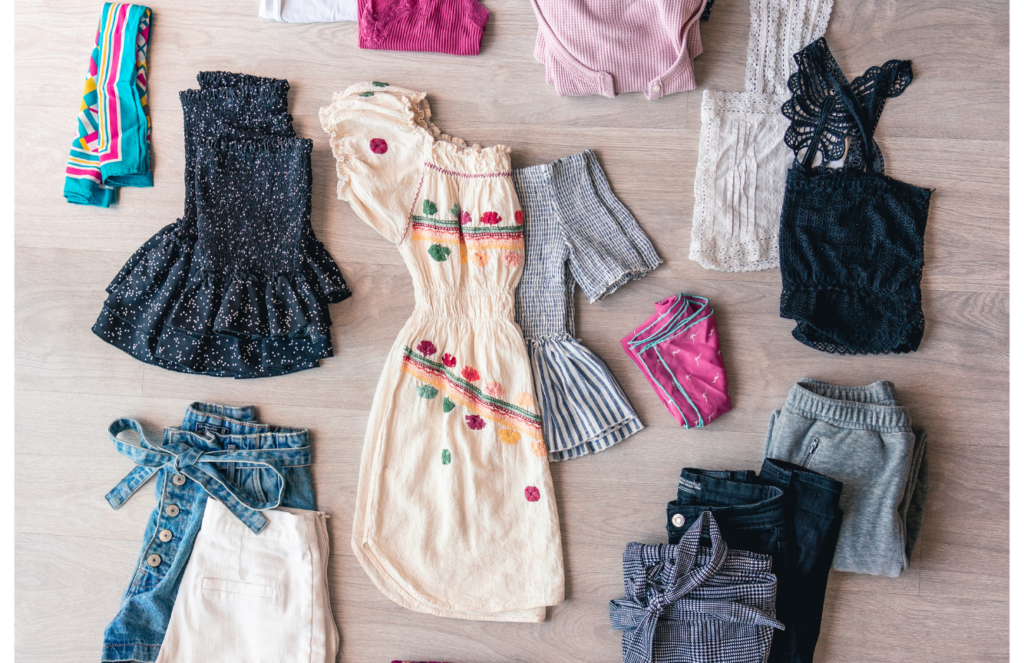
Rome involves a lot of walking, so lightweight and breathable clothes are best. Pack a mix of t-shirts, trousers, and tops that work well in warm weather and layer easily.
Smart casual for evenings
Restaurants and bars in Rome often expect a neater look. A dress, skirt, or collared shirt with trousers is usually enough without being overly formal.
Walking shoes + sandals
Comfortable shoes are essential for Rome’s cobblestone streets. Bring a pair of sturdy walking shoes for sightseeing and sandals for warmer days.
Seasonal extras (see Seasonal Guide)
Adjust your clothing based on the time of year. Light jackets or umbrellas work for spring, while winter calls for coats and scarves. Check the seasonal guide downbelow before packing.
Accessories
Scarf/shawl (for churches)
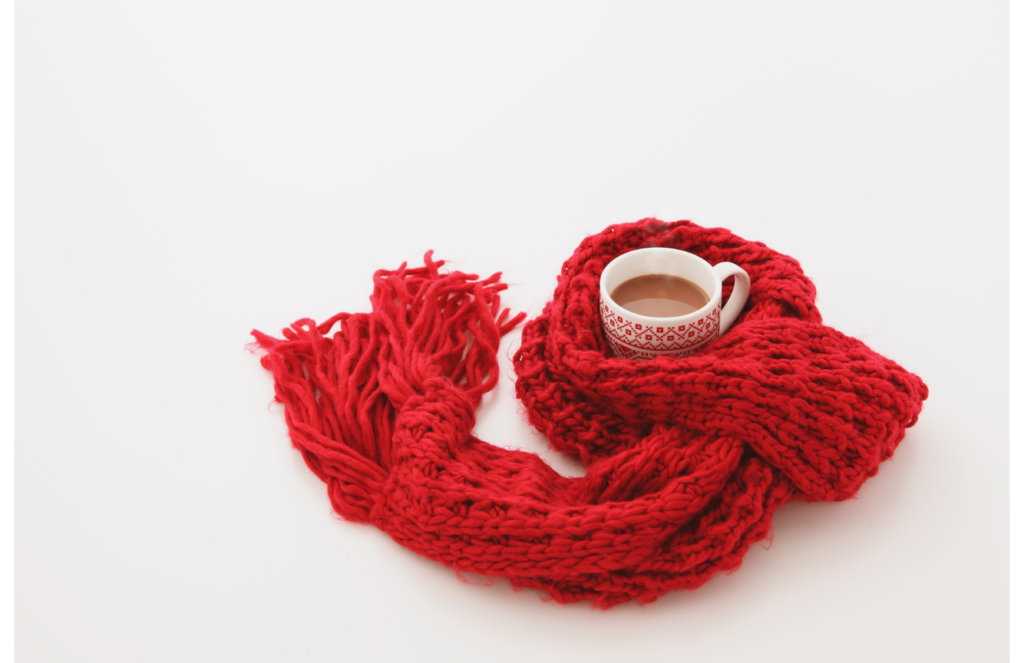
Many churches in Rome, including the Vatican, require shoulders to be covered. A lightweight scarf or shawl is an easy way to meet dress codes without carrying extra clothing.
Lightweight day bag or crossbody
A small, secure bag is useful for carrying daily essentials. Choose one that’s comfortable to wear and has zippers to protect against pickpockets.
Reusable water bottle
Rome has free public drinking fountains, so a refillable bottle saves money and keeps you hydrated while sightseeing.
Small umbrella
Weather in Rome can be unpredictable, especially in spring and autumn. A compact umbrella fits easily in your bag and keeps you prepared for sudden showers.

Toiletries & Personal Care
Basic toiletries (toothbrush, deodorant, skincare)
Bring only the essentials in travel sizes. Most items are easy to replace in Rome if you run out.
Sunscreen
The sun can be strong in Rome, especially in summer. A small bottle of sunscreen helps protect your skin during long days outdoors.
Travel-size shampoo/conditioner
Pack small bottles to save space and meet airline liquid rules. You can always buy more locally if needed.
Hairbrush/comb
A compact brush or comb is enough for daily use and easy to carry in your bag.

Packing for Parents with Children
Snacks & water for kids
Having snacks and a refillable bottle on hand keeps children comfortable during long walks or sightseeing days.
Entertainment for flights/trains
Pack small items like books, colouring sets, or a tablet to keep kids occupied during travel.
Lightweight stroller or baby carrier
Rome’s streets can be uneven, so a lightweight stroller or a baby carrier makes it easier to move around with children.
Child-safe sunscreen
Protect children’s skin with a gentle, high-SPF sunscreen made for kids, especially during summer visits.
Spare clothes
Always carry an extra set of clothes for children in case of spills or accidents during the day.

What Not to Bring to Rome
Heavy heels (difficult on cobblestones)
High or heavy heels aren’t practical on Rome’s cobblestone streets. Opt for comfortable shoes instead.
Large amounts of toiletries (available locally)
Most toiletries can be found easily in Rome, so there’s no need to pack bulky supplies. Bring only the basics.
Too much cash
Carrying large sums of cash isn’t safe. Use cards when possible and keep only small amounts of euros for daily expenses.
Overpacking bulky clothes
Thick jackets and heavy items take up too much space. Pack lighter layers instead and adjust based on the season.
Valuables you can’t afford to lose
Leave expensive jewellery or irreplaceable items at home to avoid the risk of loss or theft.
Seasonal Packing Guide

Spring (March–May):
Light layers (t-shirts, long sleeves, cardigans)
Spring weather in Rome changes quickly, so pack clothes you can layer for warm afternoons and cooler mornings.
Light jacket or trench coat
A lightweight jacket or trench coat is useful for breezy days and unexpected rain in spring.
Comfortable walking shoes
Spring is perfect for sightseeing, so bring shoes that can handle long walks and occasional rain.
Umbrella or lightweight raincoat
Spring showers are common in Rome, so pack a small umbrella or a thin raincoat to stay dry.
Scarf for cooler mornings/evenings
A light scarf adds warmth on chilly mornings and evenings while still being easy to pack.
Summer (June–August):
Breathable fabrics (cotton, linen)
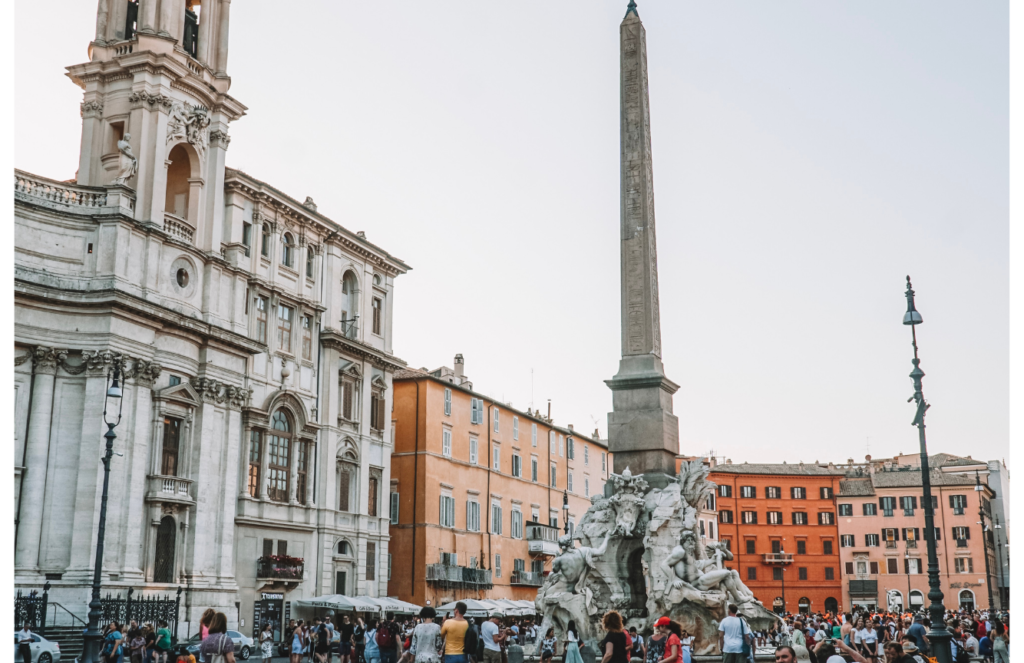
Summer in Rome can be hot, so pack light fabrics like cotton or linen to stay cool while walking around.
Sun hat or cap
A hat or cap helps protect you from the strong summer sun, especially during midday sightseeing.
Sunglasses
Strong sunlight is common in summer, so a good pair of sunglasses will keep you comfortable while exploring.
Sunscreen (high SPF)
Apply sunscreen regularly to protect your skin from Rome’s strong summer sun, especially when outdoors all day.
Comfortable sandals
Light sandals are great for hot days, but choose a pair with good support for walking on uneven streets.
Refillable water bottle
Carry a refillable bottle to stay hydrated. Rome’s public fountains provide safe, cold drinking water throughout the city.

Autumn (Sept–Nov):
Layering pieces (shirts, sweaters, light jacket)
Autumn weather in Rome shifts between warm days and cool evenings, so pack layers you can adjust easily.
Cardigan or pullover for evenings
Evenings can get chilly in autumn, so a cardigan or pullover is useful for added warmth.
Waterproof shoes or boots
Autumn often brings rain, so waterproof shoes or boots will keep your feet dry while exploring.
Umbrella or compact rain jacket
Sudden showers are common in autumn, so a small umbrella or foldable rain jacket is worth carrying.
Neutral layers for mix-and-match
Stick to neutral colours that can be combined in different ways, giving you more outfit options with fewer clothes.

Winter (Dec–Feb):
Warm coat or parka
Winter in Rome can be cold and damp, so a warm coat or parka is essential for staying comfortable outdoors.
Scarf, hat, and gloves
Pack a scarf, hat, and gloves to stay warm during chilly mornings and evenings in winter.
Boots suitable for rain or occasional frost
Choose boots that handle wet streets and light frost, while still being comfortable for walking.
Thermal layers (especially for January/February)
The coldest months can be damp and chilly, so thermal tops or leggings add extra warmth without bulk.
Wool sweater or fleece
A warm sweater or fleece is perfect for layering under your coat on colder winter days in Rome.
Essentials for Different Occasions

Sightseeing:
Comfortable walking shoes (cobblestones & long distances)
Rome’s historic streets are uneven and often cobblestoned, so sturdy walking shoes are the best choice for long days out
Portable charger/power bank
Long days of sightseeing drain your phone quickly. A power bank keeps your devices charged for maps, tickets, and photos.
Camera or phone with extra storage
With so many landmarks to see, you’ll take plenty of photos. Make sure your camera or phone has enough storage for the trip.
Lightweight backpack for day use
A small backpack is handy for carrying water, snacks, and essentials while keeping your hands free during sightseeing.
Sunglasses & hat
Both are useful for protecting yourself from the sun while spending hours outdoors at Rome’s historic sites.
Guidebook or offline map app
A pocket guide or offline map app helps you navigate Rome and understand the history behind the landmarks you’re visiting.

Comfort:
Refillable water bottle
Rome has free public fountains with clean drinking water, so a refillable bottle keeps you hydrated throughout the day.
Light snacks (nuts, granola bars, protein bars)
Small snacks help keep your energy up during long walks or museum visits.
Small first-aid kit (band-aids, blister plasters, pain relief)
A basic kit is useful for blisters from walking or minor aches while travelling.
Travel-sized hand sanitiser & tissues
Public restrooms can be limited, so carrying sanitiser and tissues is practical.
Foldable umbrella or sun visor
Helps with sudden rain showers or strong sun depending on the season.
Cooling towel or fan (for hot summer days)
Useful for staying cool when sightseeing in Rome’s summer heat.

Tech:
eSIM or local SIM card for data
Stay connected with mobile data for maps, bookings, and translations.
Noise-cancelling headphones
Useful for flights, trains, or blocking out noise in busy areas.
Universal adapter with USB ports
Italy uses Type C, F, and L plugs, so a universal adapter keeps all your devices charged.
Portable Wi-Fi hotspot (for work or group travel)
Helpful if you need reliable internet for work or sharing with family.
Travel cable organiser
Keeps chargers, cables, and small electronics neatly stored.
Tablet or Kindle for reading on trains/flights
A lightweight option for books, entertainment, or notes on the go.

Evening Dining & Nightlife:
Dressier outfit (shirt/dress, trousers, or skirt)
Many restaurants and bars in Rome have a smart-casual dress code, so pack one or two nicer outfits.
Smart but comfortable shoes (no stilettos on cobblestones)
Choose shoes that look polished but are still practical for walking on uneven streets.
Compact clutch or slim wallet
A small bag or wallet is convenient for evenings out and keeps things light.
Light jacket or shawl for cooler evenings
Nights can be breezy, especially if dining outdoors, so bring a layer.
Minimal jewellery or watch
Simple accessories add polish without the risk of losing valuables.
Small fragrance or cologne
A travel-sized scent is easy to carry and a nice touch for evenings.

Religious & Cultural Visits
Modest clothing (shoulders and knees covered)
Churches like St. Peter’s Basilica require modest dress, so bring clothing that meets these rules.
Scarf or shawl (multi-purpose cover-up)
Easy to carry and can quickly cover shoulders when needed.
Closed-toe or neat sandals
Comfortable yet respectful footwear is best for religious sites.
Crossbody bag (hands-free, easy for security checks)
Keeps belongings secure and makes passing through security faster.
Small guidebook or app for historical context
Provides background information and helps you understand the cultural significance of the sites.

For Her
Dresses/skirts for evenings
Light dresses or skirts are perfect for dining out or evening walks.
Flats & comfortable sandals
Choose stylish but practical footwear for both sightseeing and nights out.
Makeup & hair accessories
Bring only the essentials to save space; most items can be replaced locally if needed.
Light jewellery
Simple pieces add variety to outfits without taking much space or risking loss.

For Him
Polo/button-downs for evenings
Smart shirts are versatile for dinners, bars, or casual events.
Lightweight jacket
A simple jacket works for cooler evenings and adds polish to outfits.
Grooming kit
Pack essentials like a razor, nail clippers, and small toiletries for daily care.
Comfortable walking shoes
Good-quality shoes that look neat but can handle long walks are best.
Final Thought
Packing for Rome doesn’t have to be complicated. Focus on the essentials, choose clothes that work in different combinations, and adjust based on the season.
Keeping your luggage light will make travelling around the city much easier, and leaving some space means you can bring home a few Italian finds. With the right preparation, you’ll be ready to enjoy everything from historic landmarks to evenings out without worrying about what you left behind.